
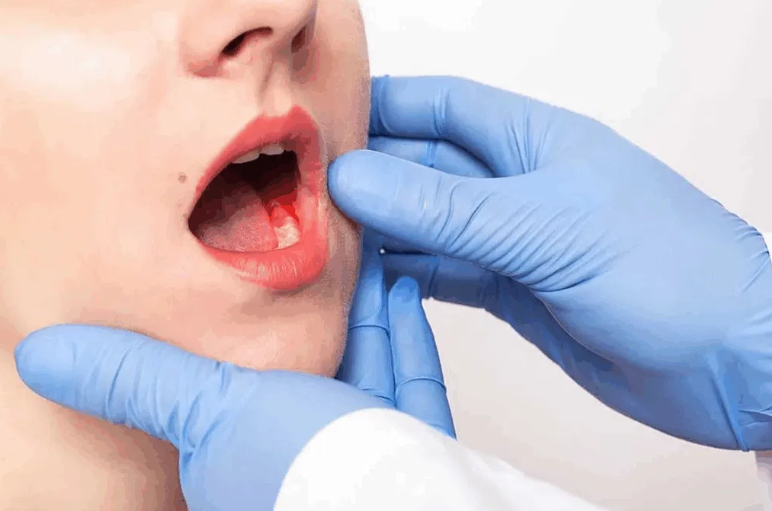
Oral health conditions can develop gradually and may not always cause noticeable discomfort in their early stages. One such condition is leukoplakia, which appears as persistent white patches inside the mouth. While many cases remain harmless, some require careful assessment because they may show changes that need medical attention. Early evaluation allows healthcare professionals to understand the condition and recommend suitable care.
Understanding leukoplakia treatment begins with recognising that every case requires an individual evaluation. The choice of management depends on the lesion’s appearance, the patient’s medical history and the results of clinical investigations. Modern oral healthcare aims to identify the condition early, provide appropriate treatment, and support long-term oral health through regular follow-up.
Understanding Leukoplakia and the Need for Treatment
Leukoplakia refers to white patches that develop on the tongue, inner cheeks, gums, or the floor of the mouth. These patches usually cannot be removed by gentle scraping and may develop due to long-term irritation from tobacco, alcohol, rough teeth, or poorly fitting dental appliances.
Although many cases remain non-cancerous, some lesions may contain abnormal cellular changes. Since other oral conditions may present as white patches, professional evaluation helps identify the underlying cause. Early evaluation allows healthcare professionals to recommend appropriate management based on the individual’s clinical findings.
How do Oral Healthcare Professionals Assess Leukoplakia?
Evaluation begins with a detailed discussion of the patient’s medical history, lifestyle habits, and any symptoms present. A careful examination of the mouth follows this to evaluate the size, location, texture, and appearance of the affected area and surrounding tissues.
If the lesion remains unchanged or appears suspicious, a biopsy may be recommended. During this procedure, a small tissue sample is examined under a microscope to identify abnormal cellular changes. Patients who require continued monitoring or advanced treatment may benefit from receiving care at specialised centres such as BLK-Max Super Speciality Hospital, where multidisciplinary teams provide ongoing evaluation and personalised management.
Modern Treatment Options for Leukoplakia
The treatment approach depends on the biopsy findings, the extent of the lesion, and the underlying factors contributing to its development. Healthcare professionals recommend the most appropriate option after evaluating the patient’s overall condition. Depending on the diagnosis and biopsy findings, one or more of the following treatment options may be recommended:
- Removing the Source of Irritation: Healthcare professionals may advise stopping tobacco use, limiting alcohol intake where appropriate, correcting rough tooth surfaces, or replacing poorly fitting dental appliances. Addressing these factors may reduce ongoing irritation and promote healthier oral tissues.
- Regular Monitoring: When biopsy findings do not show significant abnormal cellular changes, scheduled follow-up appointments may be recommended. Regular observation helps healthcare professionals identify any changes in the lesion’s size, texture, or appearance at an early stage.
- Surgical Removal: If abnormal or precancerous cellular changes are identified, surgical removal of the affected tissue may be advised. The procedure aims to remove the lesion while preserving as much healthy tissue as possible.
- Laser Therapy: Laser treatment can be used to precisely remove abnormal tissue. Depending on the lesion’s location and characteristics, this approach may help minimise damage to surrounding healthy tissue.
- Cryotherapy: In selected situations, cryotherapy may be considered to destroy abnormal tissue through controlled freezing. The suitability of this method depends on the clinical findings and the treating specialist’s assessment.
The choice of leukoplakia treatment varies from one patient to another because no single approach is suitable for every case. Continued follow-up after treatment helps monitor healing, detect recurrence early, and support better long-term oral health outcomes.
Long-Term Care After Leukoplakia Treatment
Long-term care remains an important part of successful management. Even after treatment, healthcare professionals may recommend regular oral examinations to monitor healing and identify any new lesions or changes that require further assessment. These appointments help identify any recurrence or new changes at an early stage.
Patients can support long-term oral health by maintaining good oral hygiene, attending routine dental check-ups and avoiding long-term sources of irritation wherever possible. Reporting persistent white patches or other unusual changes without delay allows healthcare professionals to arrange further evaluation when required.
Conclusion
Modern approaches to managing leukoplakia focus on accurate diagnosis, personalised treatment, and ongoing monitoring rather than relying on a single treatment approach. Clinical assessment and biopsy findings guide treatment decisions, ensuring that each patient receives management appropriate to their individual condition.
Early professional evaluation remains the best way to understand persistent white patches inside the mouth and determine suitable care. With timely assessment, appropriate intervention, and regular follow-up, healthcare professionals can support healthier oral tissues and better long-term oral health outcomes.