
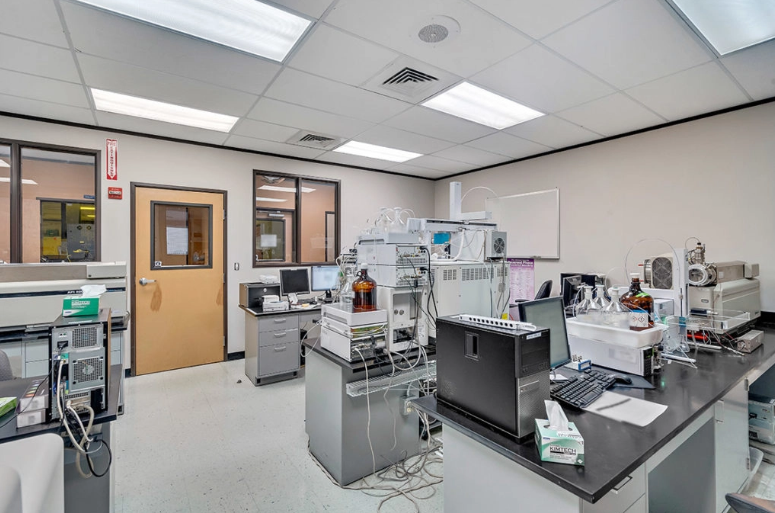
Routine bioanalysis requires accurate workflows and reliable data generation. Liquid chromatography-mass spectrometry (LC-MS), specifically tandem mass spectrometry (LC-MS/MS), supports regulated studies across discovery, preclinical, and clinical research activities by providing the sensitivity required for complex biological matrices. Operational inconsistencies may affect reproducibility and reporting quality. A properly managed LCMS Lab reduces analytical variability through validated procedures and instrument monitoring.
Instrument-Related Challenges in Routine Analysis
Routine LC-MS workflows involve technical variables that affect analytical consistency.
Signal Instability and Sensitivity Drift
Instrument sensitivity may fluctuate because of contaminated ion sources, unstable vacuum systems, or aging detector components. These variations reduce analytical reproducibility and create inconsistencies during prolonged analytical runs. Sensitivity drift may also affect calibration performance and analyte quantification.
Ion Suppression and Matrix Effects
Biological samples contain endogenous compounds that interfere with ionization efficiency during mass spectrometry analysis. Matrix interference may cause ion suppression or enhancement, drastically reducing quantification accuracy if not properly evaluated during method validation.
Instrument Downtime and Maintenance Burden
Unexpected hardware issues may interrupt laboratory workflows and reduce operational efficiency.
- Pump Failures: Unstable pump pressure may affect chromatographic separation and retention consistency.
- Vacuum Instability: Poor vacuum performance may reduce ionization efficiency and instrument sensitivity.
- Maintenance Interruptions: Unplanned maintenance activities may delay analytical schedules and reporting timelines.
- System Monitoring: Routine system checks help identify hardware deterioration before failures occur.
Consistent preventive maintenance helps laboratories reduce downtime and maintain analytical performance.
Workflow Challenges in Routine LC-MS Operations
Operational workflows influence analytical reproducibility and reporting accuracy.
Sample Preparation Variability
Inconsistent extraction procedures introduce analytical variability during routine processing activities. Improper pipetting or unstable storage conditions may reduce analyte recovery and affect quantification results. Carryover contamination between analytical batches may compromise sample integrity. A validated LCMS Assay depends on standardized handling procedures and controlled preparation workflows.
High Sample Throughput Pressure
Large analytical studies create operational pressure within regulated laboratories.
- Sample Volume Management: Large pharmacokinetics studies require laboratories to process high sample volumes within limited timelines.
- Workflow Bottlenecks: Simultaneous project demands may reduce instrument availability and operational efficiency.
- Reporting Delays: Delays in sample preparation and review may affect study reporting schedules.
- Resource Allocation: Laboratories must balance analyst workloads and instrument access effectively.
Data Processing and Review Complexity
Chromatographic interpretation requires scientific expertise and analytical review procedures. Complex matrices often produce overlapping peaks or integration difficulties that affect quantification accuracy.
Compliance Challenges
Regulated bioanalysis workflows require adherence to quality and compliance standards.
Maintaining Regulatory Compliance
Regulatory agencies, including the FDA, require laboratories to follow Good Laboratory Practice and International Council for Harmonization guidelines during regulated studies. Incomplete documentation or inconsistent audit trails may create compliance concerns during inspections. Maintaining records throughout sample analysis remains important for audit readiness and data traceability.
Method Reproducibility Across Analytical Runs
Variability between analysts, reagent lots, and instrument conditions may affect analytical consistency across study batches. Retention time shifts and calibration fluctuations reduce confidence in reproducibility. A compliant LC-MS Laboratory implements controlled workflows that support reproducible analytical outcomes.
Practical Solutions for Routine LC-MS Challenges
Addressing LC-MS operational challenges requires preventive laboratory practices and analytical methods.
Standardizing Sample Handling Procedures
Controlled handling procedures help laboratories maintain analytical consistency during routine bioanalysis workflows.
- Sample Storage: Controlled storage conditions help maintain analyte stability before analysis.
- Extraction Consistency: Standardized extraction procedures improve the reproducibility of recovery across batches.
- Contamination Prevention: Controlled handling practices reduce the risk of carryover and contamination.
- Workflow Consistency: Standardized preparation methods improve reproducibility during routine operations.
Standardized workflows reduce variability across regulated analytical studies.
Must Read: LC-MS Testing Applications in Food Safety and Contaminant Detection
Strengthening Preventive Maintenance Programs
Preventive maintenance programs support stable instrument performance.
- Calibration Procedures: Scheduled calibration activities verify mass accuracy and detector performance.
- Performance Monitoring: Routine monitoring identifies early signs of sensitivity drift or hardware deterioration.
- Issue Identification: Early detection of operational issues prevents major instrument failures.
- Downtime Reduction: Preventive maintenance strategies reduce unexpected operational interruptions.
Consistent maintenance planning improves instrument reliability and laboratory productivity.
Improving Method Validation and Quality Control
Method validation establishes the reliability of regulated analytical procedures. Quality control samples confirm reproducibility throughout analytical runs and help identify performance deviations before reporting.
Integrating Advanced Analytical Technologies
Modern laboratories increasingly use automation tools and analytical software to improve operational efficiency. Many regulated LC-MS Services implement automated technologies to support efficient laboratory workflows and reduce manual processing errors.
Expanding Applications Increasing Routine LC-MS Demands
Modern biologics research continues to increase analytical complexity within regulated bioanalysis laboratories.
Growing Use in Biomarker and Immune Response Studies
Biomarker research requires highly selective analytical methods for accurate quantification. Advanced Cytokine Analysis applications demand the sensitivity of LC-MS/MS and reliable chromatographic separation to isolate and quantify low-abundance proteins during immune response evaluation accurately.
Conclusion
Routine LC-MS workflows involve operational, analytical, and compliance-related challenges that affect reproducibility. Instrument stability, preparation practices, preventive maintenance, and scientific review remain important for maintaining analytical performance. Reliable LC-MS Testing supports accurate data generation within laboratory environments during regulated studies.