Choosing the right tiny house plans is the first step toward simpler, more efficient living. Whether you want to downsize, create a vacation retreat, or embrace a minimalist lifestyle, the right tiny home designs make a real difference. This guide will help you select tiny house plans that match your needs, budget, and daily routine.
Understanding Tiny House Plans
Tiny house plans are detailed blueprints that outline a home’s layout, design, and construction requirements. They range from simple compact home plans to multi-level tiny house floor plans that maximise every square foot. Understanding the options ensures you make an informed choice that works for your lifestyle.
Why Choose a Tiny Home?
- Lower construction and maintenance costs
- Energy-efficient and environmentally friendly living
- Simplified cleaning and upkeep
- Mobility options for houses on wheels
- Encourages a minimalist lifestyle and better organization
Tiny house plans give you the flexibility to live comfortably in a smaller space without sacrificing functionality.
Factors to Consider When Choosing Tiny House Plans
Choosing tiny house plans requires careful thought. Focus on these essential factors:
-
Lifestyle and Needs
Your lifestyle should guide your plan selection. Ask yourself:
- How many people will live in the home?
- Do you need a dedicated workspace or home office?
- Will you require storage for hobbies, sports, or equipment?
Answering these questions ensures your tiny house plans include all necessary functional spaces. For example, lofted bedrooms suit couples, while compact kitchens benefit students or solo homeowners.
-
Layout and Floor Plans
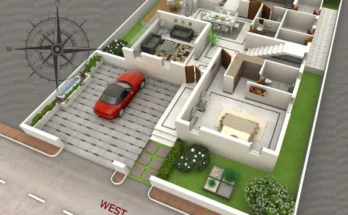
Layout makes a small space feel comfortable. Tiny house floor plans offer a variety of options:
- Open floor plans create a sense of space and improve flow between living areas.
- Lofted spaces provide extra sleeping or storage areas without increasing your footprint.
- Compact kitchens and bathrooms maximize utility while keeping a home functional.
Review several small house plans to find layouts that suit your daily routines. Look for floor plans that provide storage and seating without cluttering the space.
-
Style and Design
Tiny home designs should reflect your personal taste while remaining practical. Popular choices include:
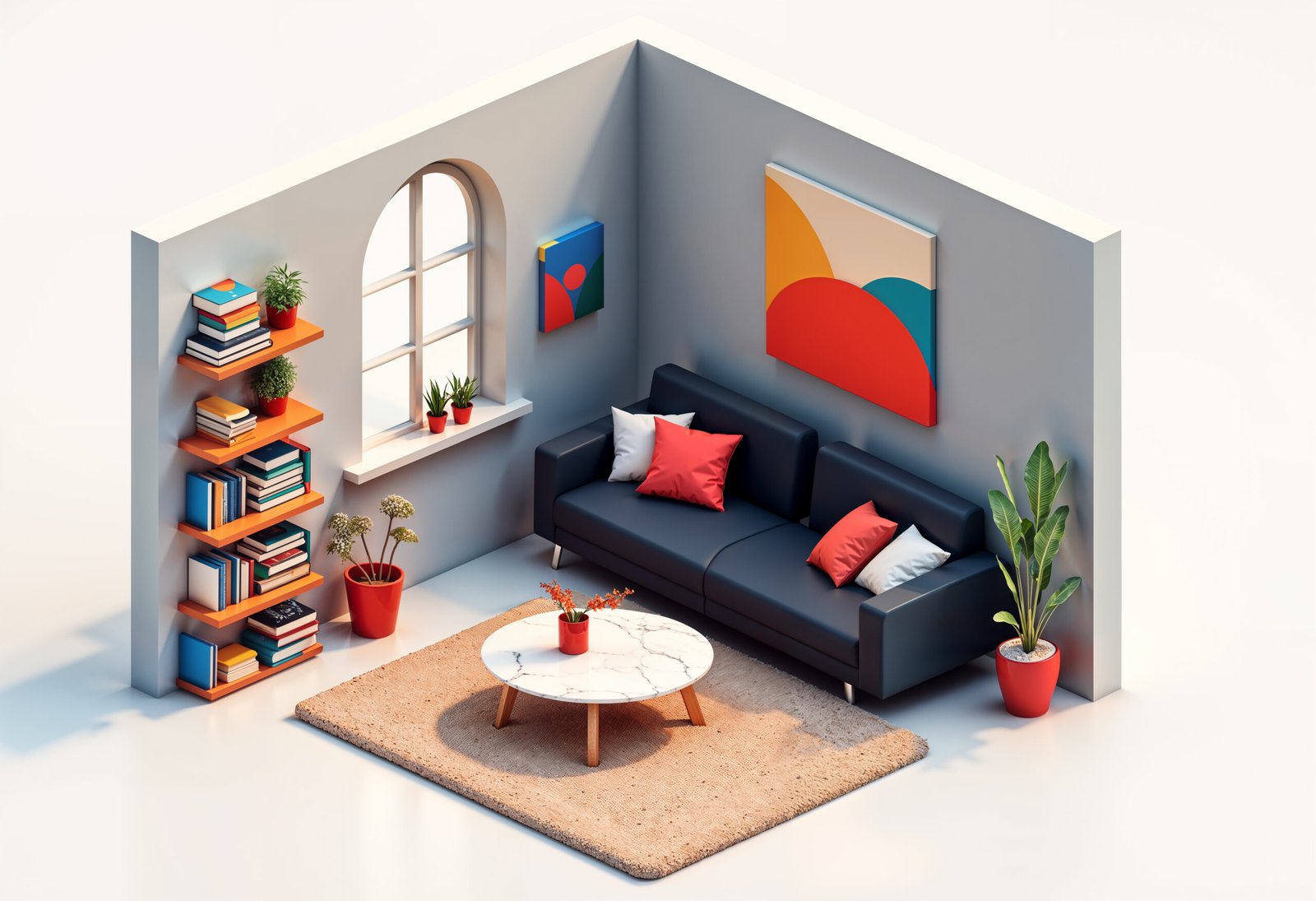
- Minimalist house plans emphasize simplicity, clean lines, and uncluttered spaces.
- Rustic designs use natural textures, wooden finishes, and warm colors for a cozy feel.
- Modern designs feature sleek interiors, energy-efficient solutions, and open layouts.
Select a style that complements your personality and lifestyle. The right design can make a tiny house feel much larger than its footprint.
-
Budget and Costs
Cost varies by size, complexity, and materials. Consider:
- Construction costs and potential DIY savings
- Permits and land if building off-grid
- Long-term maintenance and utility expenses
Being realistic about your budget helps you choose tiny house plans you can afford and reduces the risk of overspending.
-
Mobility and Location
Decide if your tiny home will be mobile or fixed.
- Wheeled tiny houses allow relocation and flexibility, ideal for travelers or frequent movers.
- Permanent foundations provide space for full utilities, landscaping, and larger homes.
The location may also affect your design choices. For example, homes in colder climates may require more insulation, while warmer areas benefit from large windows and ventilation.
Tips for Choosing the Best Tiny House Plans
Use these actionable tips to make the best selection:
- List your must-haves: separate essential features from optional ones.
- Measure everything: ensure furniture, appliances, and storage fit the floor plan.
- Think vertically: lofted areas and tall storage solutions maximise usable space.
- Prioritize natural light: windows and skylights make a home feel more spacious.
- Consult experts: architects or designers can customise compact home plans to fit your needs.
These strategies help you avoid mistakes and ensure your tiny home plan works efficiently for your lifestyle.
Popular Types of Tiny House Plans
Small House Plans
These layouts focus on affordability, efficiency, and functional design. They work well for singles, couples, or students who want an efficient living space.
Compact Home Plans
Compact home plans maximize every square foot and create multi-functional spaces. They often include hidden storage and convertible furniture to increase usability.
Tiny Home Designs
Tiny home designs offer unique architectural solutions to make small spaces functional and attractive. They suit homeowners who want a custom, modern, or eco-friendly look.
Minimalist House Plans
Minimalist house plans emphasize simplicity, decluttered spaces, and clean lines. These plans are perfect for anyone wanting a simple, organized, and stress-free home.
Tiny House Floor Plans
Tiny house floor plans provide detailed blueprints showing room placement, storage, and functional zones. They ensure every inch of space is practical and livable.
Conclusion
Choosing the right tiny house plans balances style, functionality, and budget. From minimalist house plans to innovative tiny home designs, careful planning ensures your small space meets your needs. Explore tiny house floor plans today to start building a home that fits your lifestyle perfectly.
Ready to create your dream tiny home? Request a free quote now and take the first step toward your ideal living space.
FAQs
Q1: What are tiny house plans and how do I choose the right one?
Tiny house plans are blueprints for small homes. Choose plans based on your lifestyle, space needs, and budget.
Q2: How much space do tiny homes usually have?
Tiny homes typically range from 100 to 400 square feet depending on the layout and design.
Q3: Can I customize tiny house floor plans?
Yes. Most plans allow modifications for lofts, storage, or specialized spaces.
Q4: Are tiny house plans suitable for families?
Some tiny house plans work for small families, using smart layouts and lofted bedrooms.
Q5: How do I choose between mobile and permanent tiny house designs?
Consider your lifestyle, mobility needs, and land options. Mobile designs offer flexibility, while permanent homes provide more space and amenities.