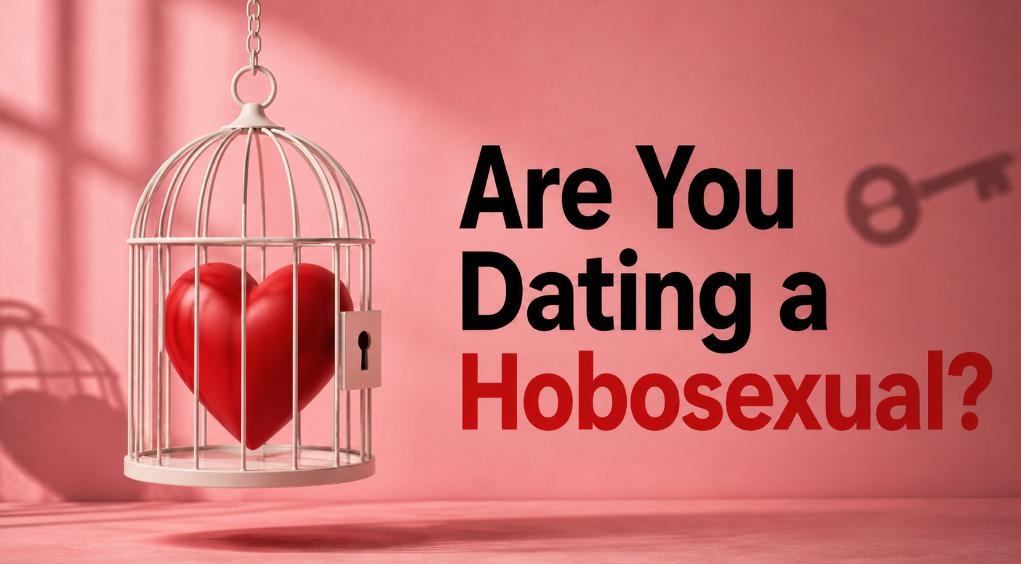
Dating today can feel confusing enough, mixed signals, fast attachments, and unclear intentions. But there’s one pattern that often slips under the radar until it starts affecting your life in a real way: the hobosexual dynamic.
It’s not just a trending word. For many people, it describes a relationship that slowly becomes one-sided,emotionally and financially. And by the time you notice, you might already feel stuck.
Let’s break it down in a simple, honest way.
What Does “Hobosexual” Actually Mean?
A hobosexual is someone who gets into (or stays in) a relationship mainly for practical benefits,like a place to live, financial support, or everyday comfort,rather than a genuine emotional connection.
That doesn’t mean every partner who needs help is using you. Life happens. But the difference is intent and pattern. A healthy partner works toward stability. A hobosexual settles into dependency.
Why This Happens More Often Now
With rising living costs and job uncertainty, relationships sometimes become a shortcut to stability. Again, needing support isn’t the issue,relying on someone without effort or accountability is.
And that’s where things start to feel off.
Signs You Might Be Dating a Hobosexual
You don’t usually notice it all at once. It builds gradually. Here are some signs that tend to show up early:
They Push Things Forward Too Fast
It might feel flattering at first,wanting to spend all their time with you, talking about moving in early. But if things are moving faster than makes sense, it’s worth asking why.
You’re Carrying Most of the Financial Weight
Maybe it started small,covering dinner, helping out once or twice. But now you’re paying for most things, and they’re not really trying to change that.
Their Effort Doesn’t Match Their Words
They talk about plans, jobs, or “figuring things out,” but nothing actually changes. Weeks turn into months, and you’re still the one holding everything together.
You Feel More Responsible Than Loved
Instead of feeling supported, you feel responsible,for their comfort, their needs, even their stability. That’s not how a balanced relationship feels.
Boundaries Turn Into Arguments
The moment you bring up money, space, or responsibility, things get tense. You might hear things like “You don’t care about me” or “I thought we were a team.”
They Get Comfortable,Very Comfortable
Your home, your routine, your resources,they slide into it all quickly. But when it comes to giving back or contributing, it’s minimal or inconsistent.
What It Looks Like in Real Life
Sometimes it helps to see it clearly:
- Someone starts staying over “just for a few days”… and never really leaves
- They depend on you financially but always have a reason they can’t contribute
- The relationship feels intense at first, then slowly shifts into convenience
It’s not always obvious in the beginning. In fact, it can feel like love,until it doesn’t.
Why People Fall Into This Pattern
Not everyone who shows these traits is intentionally manipulative,but that doesn’t make the impact any less real.
Some common reasons include:
- Fear of being financially unstable
- Habit of depending on others
- Avoiding responsibility or long-term planning
- A sense of entitlement in relationships
Whatever the reason, it still creates an imbalance that’s hard to sustain.
How It Affects You
Being in this kind of relationship can quietly drain you.
You might start to feel:
- Emotionally exhausted
- Financially stretched
- Unappreciated or taken for granted
- Unsure of your own boundaries
Over time, it can even affect your confidence,because you’re giving more than you’re receiving.
What You Can Do About It
If this feels familiar, you don’t need to panic,but you do need clarity.
Be Honest With Yourself
Ask yourself: If I stopped providing support, would this relationship still feel the same?
Set Clear Boundaries
You don’t have to justify basic expectations like shared responsibility or respect.
Slow Things Down
If things are moving too quickly, take a step back. Real connection doesn’t need to be rushed.
Watch What They Do Next
People can say anything, but their actions after you set boundaries will tell you everything.
Don’t Ignore the Pattern
One bad week is human. A consistent pattern is something else.
Can This Kind of Relationship Improve?
It can,but only if the other person is willing to change, not just talk about it.
That means:
- Taking real steps toward independence
- Contributing fairly
- Respecting your limits without guilt-tripping
Without that effort, nothing really shifts.
A Simple Way to Look at It
A healthy relationship feels like two people building something together.
A hobosexual dynamic feels like one person holding everything up while the other leans in.
That difference matters more than anything.
Final Thought
You don’t need to overanalyse every relationship,but you also shouldn’t ignore what feels off.
If you feel more like a provider than a partner, it’s worth paying attention.
Because at the end of the day, a real relationship isn’t about what you can give someone,it’s about what you build together.
FAQs
1. What is a hobosexual?
A hobosexual is someone who enters or stays in a relationship mainly for financial support, housing, or personal gain rather than a genuine emotional connection.
- What are the signs of a hobosexual?
Common signs include moving in too quickly, relying on you financially, avoiding responsibility, and showing affection only when their needs are met.
- Is being a hobosexual the same as being financially struggling?
No. Financial struggles are normal, but a hobosexual shows a consistent pattern of dependency without effort to improve their situation.
- How do you deal with a hobosexual partner?
Set clear boundaries, avoid financial dependency, communicate openly, and observe whether they take responsibility. If not, consider ending the relationship.
- Can a hobosexual change?
Change is possible if the person acknowledges their behaviour and actively works toward independence, but without effort, the pattern usually continues.
- Why do people become hobosexuals?
Reasons may include fear of instability, lack of responsibility, learned dependency, or entitlement in relationships.