
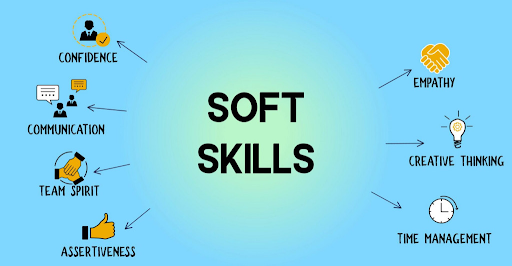
It may seem simple to select a soft skills training program for your staff, but when it comes down to making the choice, it can be difficult. There are a plethora of solutions that promise involvement, and transformation, in addition to quantifiable outcomes. However, the truth is that a course that is excellent for one team may be entirely ineffective for another. It almost always boils down to how thoughtfully the initial decision was made. Finding the most well-liked or reasonably priced program is not the key to choosing the best one. It’s all about finding the soft skills training courses that really fit your people, culture along with goals. With these five principles you’ll be able to make that decision with confidence and clarity.
-
Start by Identifying the Actual Gaps Within Your Team
The most crucial step is to examine within before comparing suppliers or pursuing course alternatives. What particular difficulties is your team currently facing? Do people find it difficult to provide constructive criticism? Is departmental cooperation failing? Do managers find it challenging to conduct tough conversations? Every subsequent decision should be based on the answers to these questions. The most effective soft skills course for your team isn’t the most extensive one out there; rather, it’s the one that specifically targets the gaps that are now preventing your employees from giving their best efforts.
-
Look for Courses That Balance Practical Application With Guided Instruction
A training that merely instructs staff members on what constitutes effective communication differs greatly from one that places them in real-world scenarios where they must practice it. The best soft skills classes don’t just use readings, videos, and slides. Through role-playing scenarios, group exercises, or actual business activities, they incorporate structured chances for employees to put what they are learning into practice. Employees receive the necessary knowledge through instruction, but over time, practice transforms that knowledge into a real change in behavior in addition to self-assurance.
-
Assess Whether the Course Can Grow Alongside Your Organisation
In addition to being beneficial to your staff now, a soft skills training program should be able to adapt as your company changes. Teams expand, roles shift, and new difficulties arise. A course may be useful in the short term if its structure and content are completely fixed, but it will soon become out of date as conditions change. Look for programs that can be reviewed, added to, or added to as the needs of your team evolve. Continuous training improves with your business and continues to be worth the investment after the first class has ended.
-
Evaluate the Level of Support Offered After the Training Ends
The learning that takes place in a course is just the start. The support that is available after the sessions are over is equally important, although it is sometimes disregarded throughout the selection process. Does the course offer resources for follow-up, methods for reflection, or assistance when staff members are having trouble putting what they have learned into practice? Programs that merely provide information and then vanish deprive workers of the support they require to develop new abilities into enduring habits. Post-training support is an essential indicator of a program that is truly committed to real results; it is not an extra feature.
Conclusion
Like any significant investment in your company, opting for the best possible online soft skills training courses India for your employees is an important decision that needs to be carefully considered along with well-planned for. It begins with a candid evaluation of the current state of your team, moves into a careful analysis of the flexibility, format in addition to post-training support provided and ends with a clear plan for measuring real-world results. If these actions are deliberate, it not only leads to a better-trained workforce, but to a more united, and capable, and resilient company that is prepared for what lies ahead.