
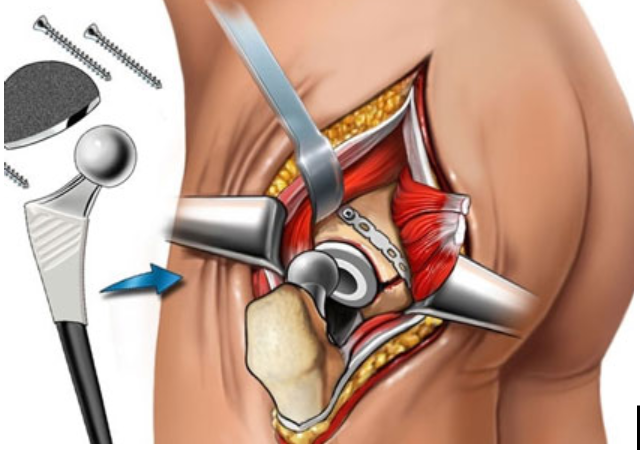
Hip replacement surgery is typically recommended when severe joint damage, persistent pain, or limited mobility do not improve with medications, physiotherapy, or other non-surgical treatments. It helps restore mobility and improve the quality of life for individuals with advanced joint conditions such as arthritis. Choosing the right surgeon is important to ensure safety, effective treatment, and smooth recovery. Before deciding on surgery, patients should speak with their doctor or orthopaedic specialist to better understand their condition and treatment options. Selecting the right hip replacement surgeon in Delhi involves evaluating the surgeon’s experience, approach, and hospital support, helping patients make informed decisions and feel confident about their treatment journey.
What Are the Surgeon’s Qualifications and Experience?
The first step is to understand the surgeon’s credentials. When selecting a hip replacement surgeon in Delhi, it is important to check formal training in orthopaedics and specialised experience in hip replacement procedures. Many experienced surgeons are associated with established hospitals such as BLK-Max Super Speciality Hospital, where structured clinical practices support specialised care.
Patients can learn how many procedures are performed each year. It is also useful to understand the surgeon’s experience with total hip replacement and minimally invasive techniques. Evaluating these factors helps ensure that patients are in capable hands and supports a safe and effective treatment journey.
What Surgical Approach Will Be Used?
Understanding the surgical approach helps patients prepare and set realistic expectations. Ask the surgeon whether they recommend a particular type of implant and why it is suitable. Clarify details such as the expected duration of the surgery, incision method, and use of any specialised surgical tools.
Patients should also inquire about preoperative steps, including medical assessments, imaging, and physiotherapy, which can contribute to a safer and smoother procedure. A clear explanation from the surgeon helps patients feel informed and confident.
What Are the Risks and Potential Complications?
Every surgery carries some risks. Patients should ask about potential complications, including infections, blood clots, implant loosening, or joint dislocation. It is important to understand how often these issues occur and how the surgeon manages them if they arise.
Knowing the possible risks helps patients make informed decisions and take steps to minimise complications both before and after surgery. Open discussion of risks also reassures patients that the surgeon is experienced and transparent.
How Is Postoperative Care Managed?
Recovery after hip replacement is as important as the surgery itself. Ask the surgeon about the hospital’s postoperative care, including physiotherapy schedules, pain management, and follow-up appointments. Understanding the expected recovery timeline and activity restrictions ensures a smoother rehabilitation process.
Patients should also ask about support available for home care once discharged, including guidance on safe movement, exercises, and daily activities. A well-defined recovery plan can improve outcomes and reduce anxiety during the healing period.
Can the Surgeon Provide Patient References?
It is helpful to hear from patients who have undergone similar procedures. Before scheduling surgery, patients may ask the surgeon for references or testimonials. Key questions could include:
- Availability of patient testimonials or references
- Insights into the surgeon’s communication and bedside manner
- Experiences with recovery and follow-up care
Gathering feedback from previous patients provides practical insight into the surgeon’s skills, the quality of care, and the support during recovery. This information can help reassure patients about their decision.
What Are the Hospital Facilities and Safety Standards?
The hospital where the surgery is performed plays a major role in patient safety and recovery. Patients should ask about the hospital’s facilities and standards, keeping in mind the following points:
- Hospital accreditation and certifications to ensure recognised healthcare standards
- Infection control measures, hygiene protocols, and sterilisation procedures
- Availability of specialised equipment for hip replacement surgeries and emergency situations
- Experienced staff for routine care, monitoring, and handling surgical complications
Patients should also inquire about the availability of 24-hour nursing support, physiotherapy services, and emergency response systems. Understanding the hospital environment gives confidence that patients are receiving care in a safe, professional, and well-equipped setting.
What Factors Influence the Cost and Insurance Coverage?
The cost of hip replacement surgery can vary widely depending on several factors, as there is no standard or fixed price across cities or hospitals. Understanding these factors helps patients plan financially and make informed decisions about their treatment.
Key factors that influence the overall cost include:
- Surgeon’s experience and expertise
- Choice of hospital and type of room selected
- Type and quality of implant used
- Pre-surgical tests and diagnostic investigations
- Medications, consumables, and surgical equipment
- Physiotherapy, rehabilitation, and follow-up care
- Duration of hospital stay and any additional medical support
Patients should also review insurance coverage details, including hospital empanelment, claim procedures, and out-of-pocket expenses. Gaining clarity on these aspects in advance helps avoid unexpected costs and ensures a smoother treatment and recovery journey.
Conclusion
Choosing the right surgeon for hip replacement requires careful research and thoughtful questions. Patients should focus on the surgeon’s qualifications, surgical approach, potential risks, postoperative care, patient references, hospital facilities, and financial considerations.
Consulting a qualified hip replacement surgeon in Delhi and asking these questions helps patients make informed decisions, approach surgery with confidence, and achieve the best possible outcomes for mobility and quality of life.