
Accessing a qualified neurologist Camarillo CA residents can rely on is often more complicated than patients expect. Neurological symptoms—persistent headaches, numbness, tremors, memory concerns, unexplained dizziness—are deeply unsettling. Yet the path from symptom onset to specialist evaluation frequently involves long referral chains, insurance authorizations, and weeks of waiting.
From years of observing outpatient neurology practices in Southern California communities, one reality stands out: patients arrive not only with medical concerns but with anxiety shaped by uncertainty. Neurology is a field where symptoms can be subtle, overlapping, and sometimes frightening. Clear communication and realistic expectations are just as important as clinical expertise.
This article offers a grounded perspective on what to expect when seeking neurological care locally, how practices typically operate, and how patients can prepare for a productive consultation.
Why Neurology Appointments Often Take Time
Neurology is a cognitive specialty. Unlike procedural disciplines that focus on a single organ system, neurologists evaluate the brain, spinal cord, peripheral nerves, and muscles. Many conditions present with overlapping symptoms.
For example:
- Headaches may range from benign tension-type pain to migraines or secondary causes.
- Numbness could stem from nerve compression, metabolic conditions, or central nervous system disorders.
- Memory changes might reflect stress, medication effects, sleep disturbances, or neurodegenerative disease.
In outpatient settings, new patient evaluations commonly require 45 to 60 minutes. That time includes a detailed medical history, medication review, and comprehensive neurological exam. Because of this extended appointment length, scheduling availability can be limited.
Patients searching for a neurologist Camarillo CA often express frustration at wait times. However, longer appointment slots generally indicate thorough evaluation rather than inefficiency.
What a First Neurology Visit Typically Involves
A first consultation is far more detailed than many expect. In community-based neurology practices serving Ventura County, the process usually includes:
- A structured symptom history
- Review of past imaging or lab results
- Neurological examination testing strength, reflexes, coordination, and sensation
- Cognitive screening when appropriate
The neurological exam itself is a diagnostic tool. Reflex asymmetry, subtle weakness, or sensory patterns often guide next steps.
One common misunderstanding is the assumption that imaging will always be ordered immediately. In reality, neurologists rely heavily on clinical examination. Imaging such as MRI is ordered when findings suggest structural concerns—not simply for reassurance.
Common Conditions Managed in Community Neurology
In suburban practices similar to those serving Camarillo and surrounding areas, the most frequent conditions include:
- Migraines and chronic headache disorders
- Peripheral neuropathy
- Seizure disorders
- Multiple sclerosis
- Parkinson’s disease
- Cognitive decline and memory concerns
Each requires different management strategies. Migraine care, for example, has evolved significantly in the past decade with targeted therapies. Meanwhile, neuropathy treatment often focuses on identifying underlying causes such as diabetes or vitamin deficiencies rather than masking symptoms alone.
A neurologist Camarillo CA patients consult may coordinate closely with primary care providers, cardiologists, or endocrinologists depending on the diagnosis.
The Importance of Documentation
From a practical standpoint, well-prepared patients tend to have more efficient appointments. Bringing prior imaging reports, medication lists, and a timeline of symptoms can dramatically improve clarity.
A frequent issue observed in practice is incomplete medication disclosure. Over-the-counter supplements, herbal products, and recent medication changes are often omitted. These details matter. Certain supplements can affect neurological symptoms or interact with prescribed treatments.
Encouraging patients to prepare a written summary before their visit often prevents overlooked details.
Realistic Expectations About Testing
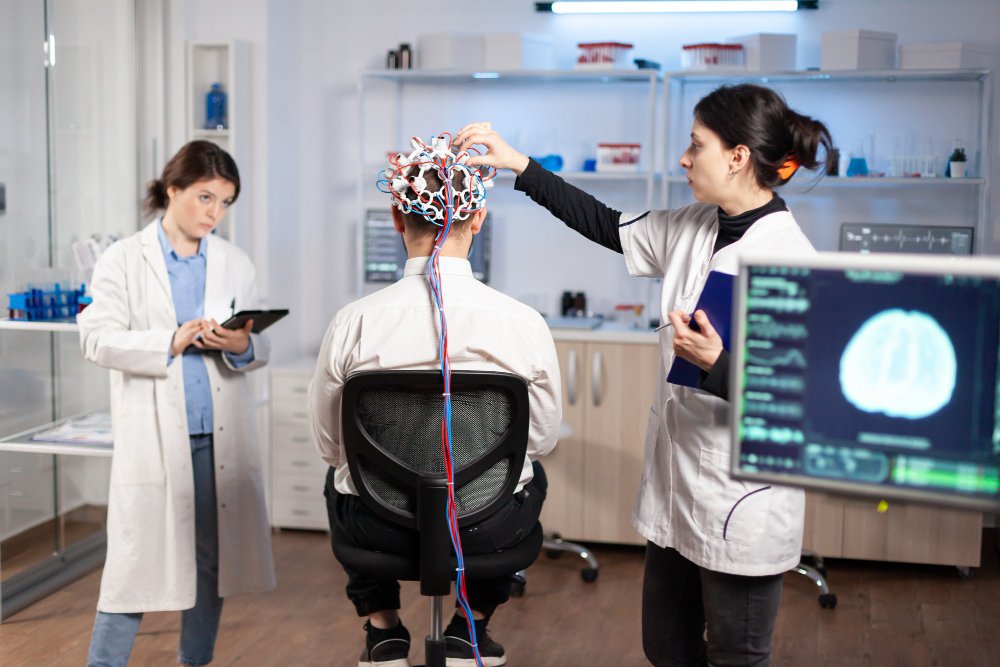
Advanced imaging, nerve conduction studies, and EEG testing are valuable tools—but they are not universal solutions.
For example:
- Normal MRI results do not automatically rule out migraine.
- Mild nerve conduction abnormalities may not fully explain symptoms.
- EEGs capture brain activity during a limited window and may miss infrequent seizure patterns.
Neurology involves interpreting test results within the broader clinical context. Over-reliance on imaging without correlating symptoms can lead to confusion.
Patients sometimes expect immediate answers after a single appointment. In many cases, diagnosis evolves over time as patterns become clearer.
Communication and Follow-Up
Effective neurological care extends beyond diagnosis. Ongoing follow-up is essential, particularly for chronic conditions.
In well-run practices, patients receive:
- Clear treatment plans
- Medication titration schedules
- Warning signs that require urgent care
- Scheduled follow-up appointments
However, no system is perfect. Staff shortages, insurance complexities, and administrative demands can affect communication. Patients are encouraged to use secure messaging portals or schedule follow-ups proactively rather than waiting until symptoms escalate.
When to Seek Urgent Care Instead
A neurologist Camarillo CA practice typically handles outpatient evaluation. Emergency symptoms require immediate hospital assessment.
These include:
- Sudden weakness on one side of the body
- Difficulty speaking
- Sudden severe “worst headache of life”
- Acute confusion
- Loss of consciousness
These may signal stroke or other emergent conditions and should not wait for a scheduled appointment.
Insurance and Referral Considerations
Many neurology practices in California require referrals from primary care physicians, particularly for HMO insurance plans. Authorization delays are common and can extend scheduling timelines.
Patients can reduce delays by:
- Confirming referral submission
- Verifying insurance approval
- Ensuring imaging CDs are delivered before the appointment
Administrative preparation often determines how quickly care progresses.
The Human Side of Neurological Care
Neurological symptoms are deeply personal. Conditions such as Parkinson’s disease or multiple sclerosis affect identity, independence, and long-term planning. Even chronic migraines can significantly disrupt daily functioning.
Experienced neurologists recognize that patients are not just cases but individuals navigating uncertainty. Clear, honest discussions—without alarmism or false reassurance—build trust.
No physician can promise instant resolution. What they can provide is careful evaluation, thoughtful management, and transparent communication about limitations.
Limitations of Outpatient Neurology
Community-based neurologists manage a wide range of conditions, but some complex cases require referral to academic medical centers for advanced diagnostics or subspecialty expertise.
This is not a sign of inadequate care. Rather, it reflects responsible escalation when specialized testing or multidisciplinary teams are needed.
Understanding this framework helps patients approach care with realistic expectations.
Conclusion
Finding a neurologist Camarillo CA residents trust involves more than checking credentials. It requires understanding how neurology functions as a specialty—careful evaluation, detailed examination, thoughtful testing, and ongoing follow-up.
While wait times and insurance barriers can create frustration, thorough neurological care is rarely rushed. Patients who prepare documentation, communicate clearly, and maintain realistic expectations often experience smoother care pathways.
Neurology deals with some of the most complex systems in the body. Effective treatment begins with patience, collaboration, and informed participation. When approached thoughtfully, community neurology practices play a vital role in maintaining long-term neurological health.
FAQs
- Do I need a referral to see a neurologist in Camarillo?
Many insurance plans require a primary care referral. It’s best to confirm with your provider. - What should I bring to my first appointment?
Bring prior imaging reports, a full medication list, and a timeline of symptoms. - Will I automatically receive an MRI?
Not necessarily. Imaging is ordered based on clinical findings. - How long does a neurology appointment usually take?
Initial visits often last 45–60 minutes due to the detailed examination. - When should I go to the emergency room instead?
Seek immediate care for sudden weakness, speech difficulty, severe headache, or loss of consciousness.