
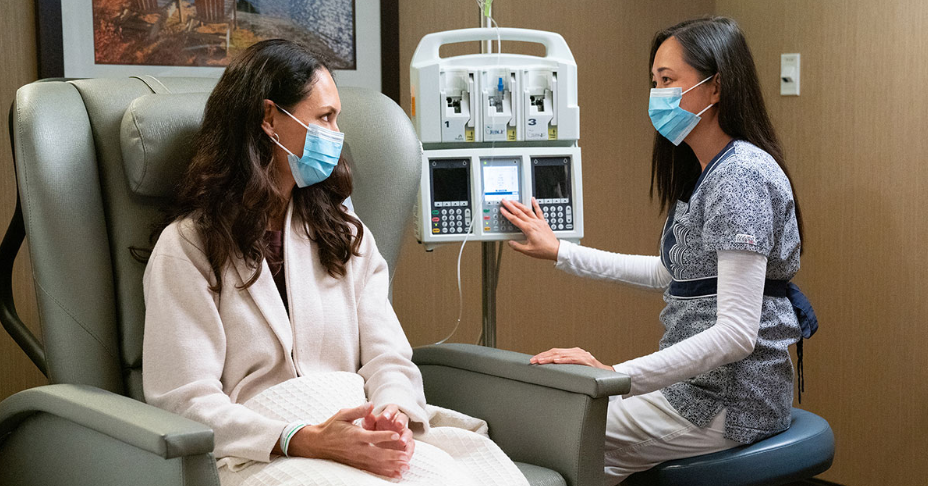
There have been several notable advancements in the country in cancer treatment. Two commonly discussed treatment approaches are chemotherapy and immunotherapy. While both are used to treat cancer, they work differently and may suit different medical conditions. The city of dreams, Mumbai, has some of the top healthcare centers that are known for managing different cancers.
People exploring cancer treatment in Mumbai often hear these terms during consultations with oncology specialists. Understanding the difference between chemotherapy and immunotherapy can help patients and families make informed decisions about treatment and long-term care.
What Is Chemotherapy?
Chemotherapy is a treatment that uses medicines to destroy cancer cells or slow their growth throughout the body. Doctors may recommend it before surgery, after surgery, or alongside radiation therapy, depending on the type of cancer and the patient’s medical condition.
Chemotherapy mainly targets fast-growing cells, which is why it can affect some healthy tissues as well. Doctors commonly use this treatment for cancers such as breast cancer, lung cancer, blood cancer, and ovarian cancer, depending on the stage and spread of the disease.
Common Side Effects of Chemotherapy
Chemotherapy can affect people differently depending on the medicines used and the duration of treatment. Some patients experience mild symptoms, while others may require supportive medical care during therapy.
Common side effects may include:
- Fatigue: Many patients feel tired during treatment because chemotherapy affects healthy cells as well as cancer cells.
- Hair Loss: Some medicines may affect hair follicles and cause temporary hair loss.
- Nausea and Vomiting: Digestive discomfort can occur during or after treatment sessions.
- Low Immunity: Reduced white blood cell counts may increase the risk of infections.
- Mouth Sores: Chemotherapy may irritate the lining of the mouth and throat.
- Reduced Appetite: Some patients notice changes in taste or appetite during treatment.
Doctors usually monitor these side effects carefully and may adjust treatment plans if necessary.
What Is Immunotherapy?
Immunotherapy is a cancer treatment that helps the immune system identify and attack cancer cells more effectively. Unlike chemotherapy, this treatment supports the body’s natural defence system rather than directly targeting cancer cells with medicines circulating in the bloodstream.
Some cancer cells evade detection by weakening immune responses, allowing them to continue growing within the body. Doctors may recommend immunotherapy for cancers such as melanoma, lung cancer, bladder cancer, and certain blood cancers, depending on the diagnosis.
Types of Immunotherapy
Different forms of immunotherapy are used depending on the type of cancer and the patient’s condition.
Immune Checkpoint Inhibitors
These medicines block proteins that prevent immune cells from attacking cancer cells. This helps the immune system respond more effectively to tumours.
CAR T-Cell Therapy
This treatment modifies a patient’s immune cells in a laboratory before returning them to the body to fight cancer cells.
Monoclonal Antibodies
These laboratory-developed proteins attach to specific cancer cells and help the immune system recognise them more clearly.
Cancer Vaccines
Some vaccines help the immune system respond to cancer cells or reduce the risk of recurrence after treatment. Doctors choose the type of immunotherapy after reviewing the patient’s diagnosis and medical reports.
Common Side Effects of Immunotherapy
Immunotherapy may sometimes affect healthy tissues because it changes immune system activity. Side effects can vary depending on the type of treatment and the patient’s response.
Common side effects may include:
- Fever: Some patients develop mild fever after treatment sessions.
- Skin Rash: Changes in immune activity may cause skin irritation or redness.
- Fatigue: Patients may feel tired during treatment.
- Joint Pain: Inflammation may lead to discomfort in joints or muscles.
- Digestive Symptoms: Some people experience diarrhoea or abdominal discomfort.
- Inflammation in Organs: In certain cases, organs such as the lungs or liver may become inflamed.
Doctors usually monitor patients regularly so that side effects can be identified early.
Chemotherapy vs Immunotherapy: Key Differences
Although both treatments are used in cancer care, they differ in several important ways.
| Chemotherapy | Immunotherapy |
| Directly attacks cancer cells | Helps the immune system fight cancer |
| Affects healthy fast-growing cells as well | Mainly changes immune response |
| Often causes hair loss and nausea | May cause immune-related inflammation |
| Used for many cancer types | Used for selected cancers |
| Usually follows fixed treatment cycles | Treatment duration may vary |
These differences help doctors decide which treatment may be more suitable for a patient’s condition.
How Doctors Decide Between the Two
Doctors consider several factors before selecting chemotherapy or immunotherapy for a patient. These factors include the type of cancer, stage of disease, tumor characteristics, previous treatment response, and the patient’s overall health condition.
Some cancers respond better to chemotherapy when rapid treatment becomes necessary. Patients seeking cancer treatment in Mumbai often undergo scans, biopsies, and laboratory investigations before specialists finalize the most suitable treatment approach for their condition.
Conclusion
Chemotherapy and immunotherapy are both important parts of modern cancer care, but they work differently. Chemotherapy directly targets cancer cells, while immunotherapy supports the immune system in fighting the disease. Each treatment has different benefits, side effects, and medical uses.
A personalised treatment plan remains important because every patient and cancer type is different. Understanding these treatment approaches can help patients and families discuss treatment options more clearly with their healthcare team.