
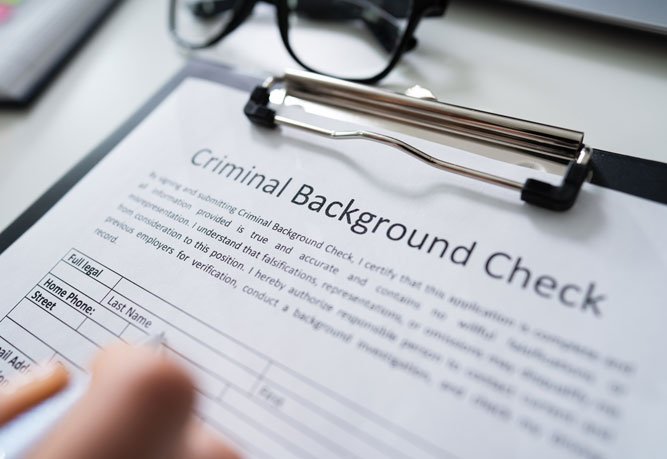
Workplace safety is a fundamental responsibility for every organization, regardless of its size or industry. Employers are expected to create environments where employees, customers, and stakeholders feel secure and protected. One of the most effective tools for achieving this goal is a criminal history check, which helps organizations make informed hiring decisions based on verified legal records. By carefully reviewing relevant information within legal boundaries, businesses can reduce risks, promote accountability, and strengthen trust across their workforce.
A criminal history check is not about exclusion or judgment. Instead, it serves as a structured verification process that enables responsible decision-making. When implemented fairly and ethically, it becomes an important component of workplace safety strategies.
Understanding the Role of a Criminal History Check in Hiring
Hiring decisions significantly impact workplace culture and safety. Employers invest time and resources into recruiting individuals who align with their organizational values and responsibilities. A criminal history check supports this process by providing factual information about past convictions or legally reportable offenses.
This verification step allows employers to assess whether an applicant’s background is relevant to the position. For example, roles involving financial management, access to sensitive data, or interaction with vulnerable individuals may require additional scrutiny. By incorporating a criminal history check into hiring practices, organizations can identify potential risks before onboarding new employees.
Promoting a Culture of Safety and Accountability
A safe workplace is built on trust and accountability. Employees must feel confident that their employer has taken reasonable steps to ensure their well-being. Conducting a criminal history check demonstrates a proactive commitment to safety.
When employees know that proper screening measures are in place, it fosters a sense of security and fairness. This culture of accountability extends beyond hiring, reinforcing expectations of professional conduct and ethical behavior within the organization.
Reducing Workplace Violence and Misconduct Risks
Workplace violence and misconduct can have devastating consequences for individuals and organizations alike. Although not all incidents can be predicted or prevented, screening tools like a criminal history check help reduce the likelihood of hiring individuals with relevant histories of serious offenses.
By identifying patterns of behavior that may pose risks, employers can make informed decisions about suitability. This approach does not eliminate risk entirely, but it significantly strengthens preventive measures and contributes to safer work environments.
Supporting Compliance With Legal and Regulatory Standards
Many industries are subject to strict regulatory requirements that mandate background screening. Healthcare, education, finance, and childcare sectors often require a criminal history check as part of compliance procedures.
Adhering to these regulations protects organizations from legal penalties and reputational damage. It also ensures that businesses meet industry standards designed to protect public safety and vulnerable populations.
Protecting Vulnerable Individuals in the Workplace
Certain workplaces involve direct interaction with children, elderly individuals, or persons with disabilities. In these settings, safety measures must be particularly robust. A criminal history check plays a critical role in safeguarding vulnerable groups from potential harm.
By reviewing legally reportable offenses related to abuse, exploitation, or violence, organizations can uphold their duty of care and provide secure environments for those they serve.
Building Trust Among Employees and Stakeholders
Trust is essential for a productive workplace. Employees, clients, and partners expect organizations to take reasonable precautions when hiring staff. Implementing a criminal history check as part of a transparent screening policy strengthens organizational credibility.
This practice reassures stakeholders that safety and integrity are prioritized. Over time, consistent screening procedures contribute to a reputation for responsibility and professionalism.
Ensuring Fair and Consistent Screening Practices
While safety is important, fairness must also be preserved. A criminal history check should be conducted consistently across applicants for similar roles to prevent discrimination or bias.
Clear policies outlining when and how checks are performed promote transparency. Consistent application of these policies helps ensure that decisions are based on objective criteria rather than subjective assumptions.
Evaluating Relevance to Job Responsibilities
Not all criminal records are directly relevant to every position. Employers must carefully assess whether the information revealed in a criminal history check relates to the responsibilities of the job.
For example, financial offenses may be more relevant to accounting roles, while driving-related offenses may be more relevant to transportation positions. This contextual evaluation supports balanced decision-making and reduces unnecessary exclusion.
Balancing Safety With Rehabilitation Opportunities
Modern employment practices recognize the importance of rehabilitation and second chances. A criminal history check should not automatically disqualify an applicant. Instead, it should serve as one factor among many in a comprehensive evaluation.
Considering the nature of the offense, the time elapsed, and evidence of rehabilitation promotes fairness while maintaining safety standards. This balanced approach supports both workplace security and social responsibility.
Enhancing Risk Management Strategies
Risk management is a core function of organizational leadership. A criminal history check contributes to broader risk mitigation strategies by identifying potential red flags before hiring decisions are finalized.
When combined with reference checks, credential verification, and structured interviews, criminal background screening strengthens the overall hiring process. This layered approach reduces the likelihood of oversight and supports informed risk assessment.
Protecting Company Reputation and Brand Integrity
Reputational damage can result from incidents involving employee misconduct. Public trust may decline if stakeholders believe that adequate screening procedures were not followed. Conducting a criminal history check demonstrates due diligence and proactive risk management.
Maintaining strong screening practices protects the organization’s brand and helps preserve long-term relationships with customers and partners.
Encouraging Ethical Leadership and Governance
Ethical governance requires organizations to implement policies that prioritize safety and integrity. Incorporating a criminal history check into hiring protocols reflects a commitment to ethical leadership.
Transparent policies, clear communication, and documented procedures strengthen governance frameworks and promote responsible management practices.
Addressing Workplace Harassment and Fraud Prevention
Workplace harassment and fraud are serious concerns that can disrupt operations and harm employees. While screening alone cannot prevent all incidents, a criminal history check may identify prior convictions related to harassment, theft, or fraud that are relevant to certain roles.
By identifying such risks during the hiring process, organizations can take appropriate precautions and reduce the likelihood of repeated misconduct.
Maintaining a Safe Physical and Digital Environment
Workplace safety extends beyond physical security to include digital protection. Employees often have access to sensitive data, intellectual property, and financial systems. A criminal history check helps organizations assess potential risks associated with these responsibilities.
This proactive approach supports both physical and cybersecurity measures, contributing to comprehensive workplace protection.
Legal Safeguards and Employee Rights
Employers must conduct a criminal history check within legal boundaries. Consent from the applicant is typically required, and the information obtained must be handled confidentially.
Compliance with privacy laws and anti-discrimination regulations ensures that screening practices respect individual rights while promoting safety. Clear communication about the purpose and scope of the check enhances transparency.
Strengthening Workplace Policies and Procedures
A criminal history check is most effective when integrated into a broader framework of workplace policies. Clear codes of conduct, reporting mechanisms, and disciplinary procedures reinforce safety standards.
When screening aligns with internal policies, organizations create cohesive systems that support prevention and accountability.
The Role of Technology in Criminal History Checks
Advancements in technology have improved the efficiency and accuracy of criminal history checks. Digital databases, secure platforms, and automated verification systems streamline the process while maintaining data protection.
These technological tools reduce administrative delays and enhance reliability, enabling organizations to implement screening practices more effectively.
Training HR Professionals and Hiring Managers
Proper implementation of a criminal history check requires training and awareness among HR professionals and hiring managers. Understanding legal requirements, relevance standards, and ethical considerations ensures fair and effective use.
Regular training supports consistent application and helps prevent misinterpretation of information.
Addressing Misconceptions About Criminal History Checks
Some individuals believe that a criminal history check guarantees complete safety or eliminates all risk. In reality, it is one component of a comprehensive safety strategy.
Screening should be combined with strong workplace policies, supervision, and ongoing employee development to maintain a secure environment.
Adapting Screening Practices to Organizational Needs
Every organization has unique risk factors and operational requirements. The scope and frequency of a criminal history check should reflect these needs.
Customizing screening practices ensures relevance while maintaining compliance and fairness.
The Long-Term Impact on Workplace Culture
Over time, consistent and fair screening practices contribute to a culture of responsibility and mutual respect. A criminal history check reinforces expectations of ethical conduct and professional standards.
Employees are more likely to feel secure and valued in workplaces that prioritize safety without compromising fairness.
Future Trends in Workplace Safety Screening
As workplace environments evolve, screening practices will continue to adapt. Greater integration of digital identity verification and secure data-sharing systems may enhance the efficiency of criminal history checks.
Organizations must stay informed about regulatory changes and technological advancements to maintain effective safety measures.
Conclusion
A criminal history check plays a vital role in supporting safer work environments by providing verified information that informs responsible hiring decisions. When conducted fairly and ethically, it strengthens trust, reduces risk, and promotes accountability. By aligning screening practices with legal standards and organizational values, employers can create secure workplaces that protect employees, clients, and stakeholders alike.
Ultimately, a criminal history check is not merely a procedural step but a meaningful contribution to workplace safety and ethical governance. When integrated thoughtfully into broader risk management strategies, it helps organizations foster environments built on trust, integrity, and respect.