
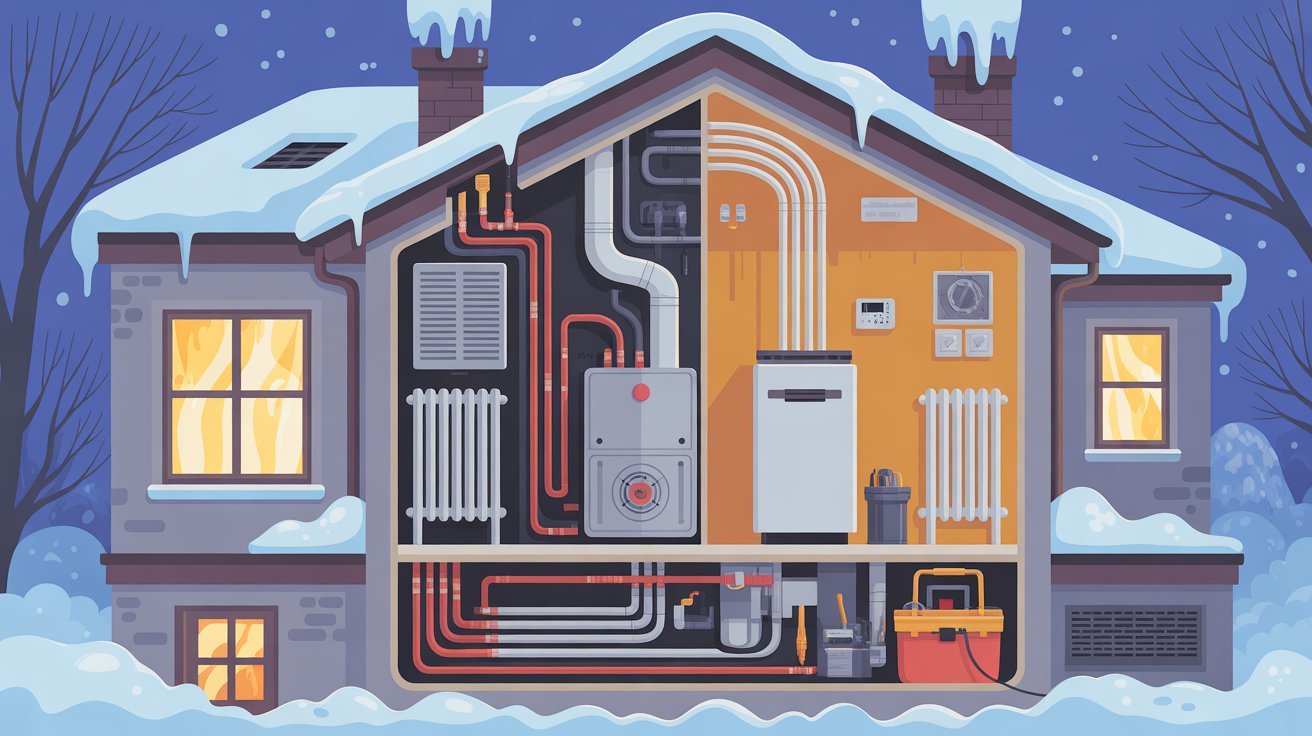
When winter arrives, your boiler becomes one of the most important systems in your home. It works harder, runs longer, and handles constant demand for warmth and hot water. Yet many homeowners only think about their boiler when it suddenly stops working. By that point, the damage is often already done.
Regular servicing and early attention to small issues can mean the difference between a warm, comfortable winter and an expensive heating emergency. Understanding how to prepare and care for your boiler before and during winter helps protect performance, efficiency, and long-term reliability.
This guide explains practical boiler servicing tips that keep home heating systems running smoothly through the coldest months.Homeowners who address these early signs through boiler repair for homes in Stoke-on-Trent often avoid emergency repairs later.
Why Winter Is the Toughest Season for Boilers
Cold weather places extreme pressure on heating systems. Boilers cycle more frequently, components expand and contract, and even minor weaknesses are exposed.
Common winter stresses include:
- Increased heating demand
- Longer operating hours
- Cold pipework affecting pressure
- Reduced efficiency from internal buildup
Without preparation, these conditions can quickly turn small faults into complete breakdowns.
Start with a Professional Boiler Inspection
Before winter sets in, a professional inspection is essential. Technicians can identify early signs of wear that homeowners often miss.
A proper inspection typically checks:
- Internal pressure levels
- Heat exchanger condition
- Pumps and valves
- Safety controls and sensors
- Signs of corrosion or leaks
For many households, scheduling boiler repair for homes in Stoke-on-Trent before winter helps prevent unexpected shutdowns during peak cold periods.
Keep Boiler Pressure Within the Safe Range
Boiler pressure is one of the most overlooked factors in winter performance. Pressure that drops too low reduces heating efficiency, while pressure that rises too high can strain internal seals.
Best practice:
- Check pressure monthly
- Maintain manufacturer-recommended levels
- Investigate repeated pressure drops immediately
Ignoring pressure issues often leads to circulation problems and system stress.
Bleed Radiators for Even Heat Distribution
Air trapped inside radiators prevents proper heat flow. This forces the boiler to work harder while rooms stay unevenly heated.
Signs radiators need bleeding:
- Cold spots at the top
- Gurgling noises
- Slower warm-up times
Bleeding radiators before winter improves efficiency and reduces strain on the boiler.
Listen for Unusual Boiler Noises
Boilers often “talk” before they fail. Clicking, banging, humming, or whistling sounds can signal internal issues.
Possible causes include:
- Air trapped in the system
- Limescale buildup
- Pump strain
- Loose internal components
Early investigation prevents further wear and costly repairs.
Check Thermostat Accuracy
An outdated or faulty thermostat can cause unnecessary boiler cycling. This not only wastes energy but also accelerates component wear.
Consider:
- Replacing old thermostats
- Using programmable or smart controls
- Checking calibration accuracy
Better control leads to more stable temperatures and lower heating costs.
Flush the System if Performance Has Declined
Over time, sludge and debris accumulate inside heating systems. This restricts water flow and reduces heat transfer.
Symptoms of internal buildup:
- Radiators heating unevenly
- Boiler overheating
- Rising energy bills
- Frequent shutdowns
A system flush restores circulation and improves winter performance.
Inspect External Pipes and Condensate Lines
Frozen condensate pipes are a common winter issue. Blockages can cause boilers to shut down unexpectedly.
Preventive steps:
- Insulate exposed pipes
- Ensure proper drainage
- Clear blockages promptly
This simple preparation prevents many cold-weather failures.
Don’t Ignore Small Performance Changes
A boiler doesn’t usually fail overnight. Small changes often appear weeks or months earlier.
Watch for:
- Slower heating response
- Hot water fluctuations
- Repeated resets
- Unexplained noise changes
Homeowners who address these early signs through boiler repair for homes in Stoke-on-Trent often avoid emergency repairs later.
Energy Efficiency Depends on Maintenance
Even when a boiler still “works,” small inefficiencies quietly raise energy bills. Poor circulation, faulty sensors, or dirty components force the system to burn more fuel.
Regular servicing:
- Restores optimal efficiency
- Reduces fuel consumption
- Lowers monthly heating costs
- Extends boiler lifespan
Efficiency losses often go unnoticed until bills increase significantly.
Safety Should Never Be Overlooked
Boilers are fuel-burning appliances, and safety risks increase when faults are ignored.
Potential risks include:
- Carbon monoxide leaks
- Overheating components
- Pressure-related failures
Annual servicing ensures safety mechanisms work correctly throughout winter.
Why Proactive Servicing Saves Money
Many homeowners delay maintenance to save money, but this often backfires.
Delayed servicing leads to:
- Emergency call-outs
- Major component replacements
- Extended heating downtime
- Higher long-term costs
Preventive care is always cheaper than emergency repair.
Long-Term Benefits of Consistent Boiler Care
Well-maintained boilers deliver:
- Reliable winter heating
- Stable energy usage
- Fewer breakdowns
- Longer system lifespan
Regular servicing protects both comfort and investment.
Final Thoughts
Winter performance depends heavily on preparation. A boiler that receives proper attention before cold weather arrives is far less likely to fail when temperatures drop. Simple steps—monitoring pressure, bleeding radiators, listening for noises, and scheduling inspections—make a noticeable difference.
Rather than waiting for a breakdown, proactive care keeps your home warm, energy-efficient, and safe throughout winter. Small actions taken early prevent major disruptions later and ensure consistent heating when you need it most.
FAQ
How often should a home boiler be serviced?
Once a year, ideally before winter, to ensure efficiency and safety.
Can a boiler still work with hidden faults?
Yes, many boilers continue operating while internal damage develops.
Does servicing really reduce energy bills?
Yes, clean and balanced systems consume less fuel and heat more efficiently.
What are early warning signs homeowners ignore?
Unusual noises, pressure drops, uneven heating, and slow warm-up times.
When should professional help be called?
As soon as performance changes appear—early action prevents costly failures.