
In marine and offshore environments, climate control plays a vital role in ensuring occupant comfort, equipment reliability, and system efficiency. Controlling temperature onboard a vessel, offshore platform, or remote installation is not just about comfort—it directly influences crew performance, electronic system longevity, and even safety.
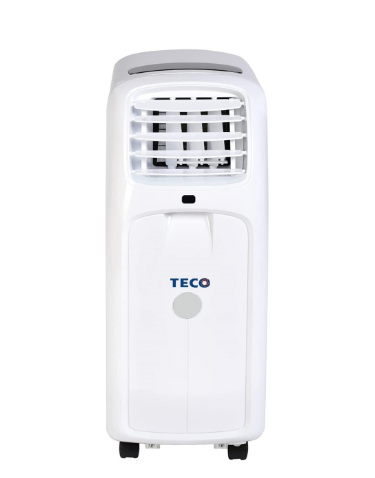
Among the various cooling technologies used in these settings, Marine Packaged AC systems stand out as solutions engineered specifically to meet the unique challenges of maritime and offshore operation. These all-in-one systems provide integrated cooling capabilities that are particularly well-suited for harsh, confined, and demanding conditions. This article explores what makes these systems suitable for such environments, how they differ from conventional air conditioners, and what operators should consider when evaluating cooling solutions.
What Is a Marine Packaged AC System?
A Marine Packaged AC is a self-contained air conditioning system in which all core components — including the evaporator, condenser, compressor, and controls — are housed within a single unit. This compact design simplifies installation and supports reliable performance in environments where space is limited and traditional split systems are less practical.
Marine packaged units are typically designed to withstand the rigors of maritime operation, including high humidity, salt exposure, constant vibration, and extended duty cycles. They are used across a wide range of applications, from crew cabins and control stations to larger accommodation areas on ships and offshore platforms.
Why Marine Packaged AC Is Suited to Offshore Conditions
Marine and offshore settings are inherently more demanding than land-based environments. The performance of cooling systems in these situations must be consistent despite fluctuating external conditions and operational stresses. Several key design features make packaged marine air conditioners particularly effective in these applications:
1. All-in-One Design for Compact Spaces
The integrated structure of marine packaged systems means that all major components are contained within one unit. This makes installation less complex compared to split systems that require separate indoor and outdoor units connected by refrigerant lines.
- In marine installations, where space on decks or inside cabins is limited, a simpler installation with fewer components reduces planning complexity.
- The consolidated design also reduces potential leak points and minimizes piping and installation work.
- Marine packaged units are thus a practical option where layout flexibility and rapid deployment are priorities.
2. Durability in Corrosive Environments
Marine environments are characterized by high humidity and salt-laden air, both of which are highly corrosive to standard air-conditioning equipment. Offshore cooling systems must resist these conditions to deliver long-term performance.
Marine packaged AC systems are often built with:
- Corrosion-resistant casing and protective coatings
- Reinforced internal components that tolerate moisture exposure
- Vibration-resistant mounting features
These design elements help ensure reliable operation even in conditions that would degrade ordinary domestic or commercial units.
3. Self-Contained Operation Enhances Reliability
Unlike traditional split air conditioners, which depend on separate indoor and outdoor units, packaged systems consolidate airflow handling, refrigeration, and electrical control within one integrated housing.
This offers several advantages:
- Simplified air distribution with fewer external duct runs
- Reduced risk of refrigerant line damage or leaks
- Lower installation complexity, especially in retrofit or limited-access areas
- Easier servicing and maintenance due to unified access
In offshore environments, where equipment access can be restricted and service schedules are tight, these benefits translate into improved uptime and less operational disruption.
4. Consistent Performance Under Variable Conditions
Marine packaged air conditioners are engineered to deliver stable cooling performance despite high ambient temperatures and fluctuating loads.
Key performance attributes include:
- Efficient heat exchange systems capable of handling continuous duty cycles
- Adaptable airflow management for compartment cooling
- Operational stability even when power quality varies
These systems are tested to operate reliably under conditions that would challenge standard air conditioners, making them well-suited to offshore installations where performance cannot be compromised.
5. Energy and Operational Efficiency
Energy consumption is a critical consideration, particularly onboard vessels and offshore facilities where power is often generated on-site and subject to load constraints.
Marine packaged units tend to deliver:
- High cooling output per unit of power
- Reduced losses due to integrated design
- Better matching of performance to space requirements
This focus on efficiency helps reduce overall energy use, supports generator load management, and enhances operational sustainability — crucial for long voyages or extended offshore deployments.
Marine Packaged AC vs. Split and Other Systems
Understanding how packaged systems compare to alternatives helps clarify why they are favored in marine and offshore applications:
Packaged AC vs. Split Systems
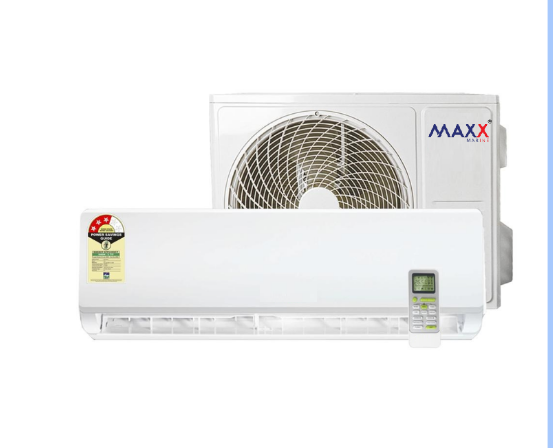
- Packaged units house all components together, while split systems separate indoor and outdoor units.
- Packaged systems are easier to install in confined or complex spaces and require less structural modification.
- Maintenance access is simplified because components are centrally located.
Packaged AC vs. Portable ACs
- Portable ACs are flexible but not typically designed for continuous heavy usage or marine environmental stressors..
- Packaged marine units are engineered for durability, efficiency, and reliability in demanding settings
Considerations When Specifying Marine Packaged AC Systems
Selecting an appropriate Marine Packaged AC involves evaluating several factors:
1. Application Requirements
Different zones onboard may have varying cooling needs. Compact cabins require units sized differently from larger communal areas.
2. Environmental Exposure
Salt water, humidity, and vibration levels differ across environments. Units with higher corrosion resistance and vibration tolerance are recommended for harsher conditions.
3. Service and Maintenance Accessibility
Marine packaged units should be positioned to allow routine servicing without interfering with ship operations.
4. Power Compatibility
Marine electrical systems often operate at specific frequencies and voltages. Ensuring compatibility with the onboard network improves performance and longevity.
Assessing these factors helps operators choose systems that align with both functional requirements and long-term operational plans.
Practical Applications of Marine Packaged AC
Marine packaged systems are used across a variety of applications, including:
- Accommodation areas for crew and passengers
- Control rooms and navigation bridges
- Offshore living quarters
- Utility and equipment spaces requiring climate control
Their compact footprint, integrated structure, and environmental resilience make them adaptable to different vessel types and offshore modules.
Conclusion
Marine Packaged AC systems are built with a combination of compact design, environmental durability, self-contained operation, and energy efficiency — all essential for reliable performance in harsh offshore conditions. By consolidating components into a single unit and engineering systems to withstand salt air, humidity, vibration, and continuous duty cycles, these air conditioners support both comfort and operational stability onboard vessels and offshore platforms.
For guidance on marine-grade air conditioning systems and support from an experienced marine air conditioning company, Teko Marine offers access to equipment designed for offshore performance and long-lasting reliability.