The healthcare industry in the United States is rapidly embracing digital transformation, integrating advanced technologies such as artificial intelligence, Internet of Medical Things (IoMT), telemedicine, and predictive analytics into everyday clinical practice. As these technologies evolve, so does the need for real-time data processing and ultra-reliable system performance. In latency-sensitive medical environments, even milliseconds can make a life-saving difference. This is where edge computing healthcare in USA becomes critically important.
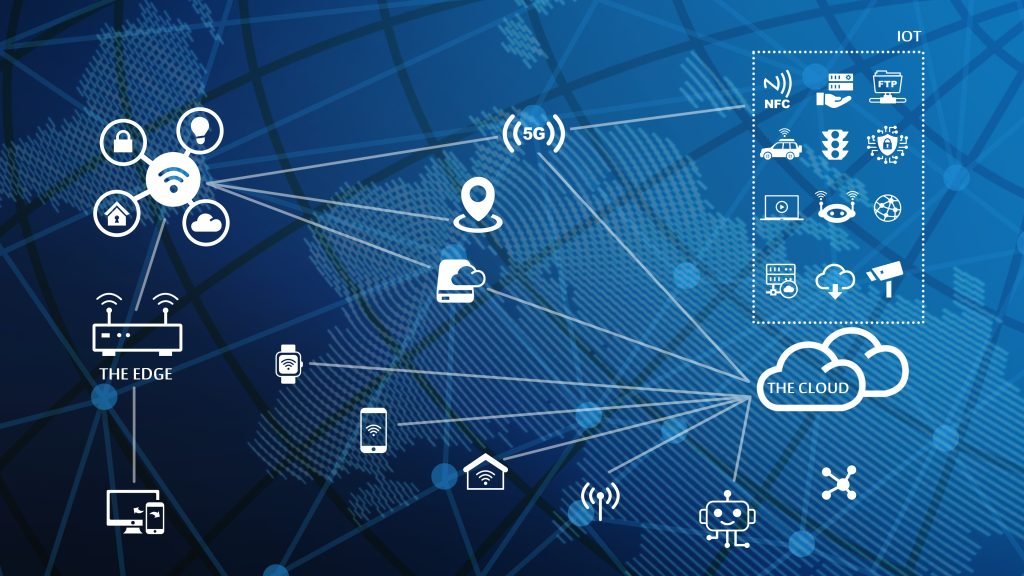
Edge computing shifts data processing closer to where it is generated, rather than relying solely on centralized cloud servers. In healthcare, this means analyzing patient data directly at hospitals, clinics, ambulances, or connected medical devices. By reducing latency and enhancing reliability, edge computing healthcare in USA supports critical medical applications that demand instant response times. This article explores why edge computing is essential for modern healthcare infrastructure and how it strengthens patient safety, compliance, and operational efficiency.
Understanding Edge Computing in Healthcare
Traditional cloud computing models rely on centralized data centers to process and store information. While cloud platforms offer scalability and flexibility, they can introduce latency due to the physical distance between data sources and processing servers. In many industries, minor delays are acceptable. In healthcare, however, delays can compromise patient outcomes.
Edge computing healthcare in USA addresses this challenge by decentralizing data processing. Instead of sending all data to distant cloud servers, healthcare organizations deploy edge devices—such as local servers or smart gateways—within hospitals, clinics, and medical facilities. These edge systems process data locally, enabling faster decision-making.
For latency-sensitive medical applications, such as cardiac monitoring or robotic surgery, immediate data processing is essential. By minimizing transmission delays, edge computing healthcare in USA ensures that clinicians receive timely insights when every second counts.
The Importance of Low Latency in Critical Care
In emergency medicine and intensive care settings, rapid response is vital. Monitoring systems continuously track patient vitals such as heart rate, oxygen saturation, blood pressure, and respiratory activity. If abnormalities occur, clinicians must be alerted instantly.
Edge computing healthcare in USA enables real-time analytics directly within hospital networks. Instead of waiting for cloud-based systems to analyze data, edge devices can trigger alerts within milliseconds. This immediate response capability enhances patient safety and reduces the risk of adverse outcomes.
Latency is particularly critical in surgical environments where robotic-assisted procedures rely on precise, real-time data transmission. Even slight delays in feedback loops could affect surgical accuracy. By processing data locally, edge computing ensures smooth and uninterrupted system performance.
Supporting Remote Patient Monitoring and Wearables
The rise of wearable health devices and remote monitoring solutions has generated massive volumes of health data. These devices track everything from glucose levels to cardiac rhythms and transmit continuous streams of information.
Edge computing healthcare in USA plays a vital role in managing this influx of data. Local processing allows healthcare systems to filter, analyze, and prioritize critical information before transmitting it to centralized servers. This reduces bandwidth strain and ensures that urgent alerts are delivered without delay.
For patients in rural or underserved areas with limited connectivity, edge computing enhances reliability. Even if cloud connectivity is temporarily disrupted, local systems can continue processing and storing data until synchronization is restored.
Enhancing Telemedicine Performance
Telemedicine has become an integral part of healthcare delivery, particularly after expanded virtual care adoption across the United States. High-quality video consultations, remote diagnostics, and real-time data sharing require stable, low-latency networks.
Edge computing healthcare in USA improves telemedicine performance by optimizing local data routing and reducing network congestion. By processing video streams and patient data closer to the source, healthcare providers experience fewer disruptions and improved clarity.
Regulatory bodies such as the Centers for Medicare & Medicaid Services have encouraged digital health expansion through reimbursement policies. As telehealth usage grows, ensuring seamless performance becomes increasingly important. Edge computing provides the infrastructure necessary to sustain reliable virtual care delivery.
Strengthening Data Security and Compliance
Healthcare organizations in the United States must comply with strict data privacy regulations, including HIPAA. The U.S. Department of Health and Human Services oversees enforcement of these standards to protect patient information.
Edge computing healthcare in USA enhances security by reducing the amount of sensitive data transmitted across public networks. Processing data locally limits exposure and minimizes potential attack surfaces. Encryption protocols and secure access controls can be implemented directly at the edge layer.
Additionally, localized processing supports compliance with data governance policies that require controlled access and audit logging. By maintaining tighter control over data flows, healthcare institutions can better safeguard patient privacy.
Supporting AI-Driven Diagnostics
Artificial intelligence is increasingly integrated into healthcare systems for diagnostic imaging, predictive analytics, and clinical decision support. AI algorithms require rapid data processing to deliver actionable insights.
Edge computing healthcare in USA allows AI models to operate closer to medical devices, such as imaging scanners or monitoring equipment. For example, edge-based AI systems can analyze radiology images in real time, flagging abnormalities for immediate review.
This localized approach reduces dependence on remote servers and accelerates diagnostic workflows. Faster analysis supports quicker treatment decisions, improving overall patient outcomes.
Reducing Bandwidth Costs and Network Congestion
Healthcare facilities generate enormous volumes of data daily. Transmitting all data to centralized cloud systems can strain network infrastructure and increase operational costs.
Edge computing healthcare in USA alleviates this burden by filtering and processing data locally. Only essential information is transmitted to cloud platforms for long-term storage or advanced analytics. This selective data transfer reduces bandwidth consumption and enhances network efficiency.
Hospitals operating in high-density urban areas or remote rural regions alike benefit from improved network reliability. Reduced congestion ensures consistent access to mission-critical systems.
Ensuring Operational Continuity During Outages
Healthcare environments cannot afford downtime. Network disruptions or cloud outages can compromise patient care and operational workflows.
Edge computing healthcare in USA enhances resilience by enabling systems to function independently of centralized cloud connectivity. Local processing ensures that monitoring systems, electronic health records, and diagnostic tools remain operational even during temporary network failures.
This distributed architecture supports disaster recovery planning and strengthens institutional preparedness. By minimizing reliance on external data centers, healthcare organizations maintain greater control over system stability.
Facilitating Smart Hospitals and IoMT Integration
Modern hospitals increasingly rely on interconnected medical devices, collectively known as the Internet of Medical Things (IoMT). From infusion pumps to imaging systems, these devices generate real-time data streams that require immediate processing.
Edge computing healthcare in USA provides the infrastructure necessary to manage IoMT ecosystems efficiently. Local edge nodes aggregate and analyze device data, enabling automated alerts and predictive maintenance.
For example, edge systems can detect equipment malfunctions before they escalate into critical failures. Proactive maintenance improves patient safety and reduces operational costs.
Enabling Real-Time Emergency Response Systems
Emergency medical services depend on rapid communication and data transmission. Ambulances equipped with connected devices transmit patient vitals to emergency departments before arrival.
Edge computing healthcare in USA enhances emergency response capabilities by processing data within local networks or mobile units. Paramedics can receive immediate feedback, and hospital staff can prepare treatment plans in advance.
In trauma situations, time-sensitive decisions determine survival outcomes. Edge computing supports seamless coordination between pre-hospital and in-hospital care teams.
Addressing Rural Healthcare Infrastructure Challenges
Rural healthcare facilities often face connectivity limitations and infrastructure constraints. High-latency networks can hinder digital health initiatives.
Edge computing healthcare in USA provides a solution by enabling local data processing even in areas with limited broadband capacity. Rural hospitals and clinics can implement edge nodes to maintain real-time functionality without relying entirely on cloud connectivity.
This approach promotes healthcare equity by ensuring that advanced digital tools remain accessible regardless of geographic location.
Supporting Predictive Maintenance and Asset Management
Medical equipment downtime can disrupt patient care and increase costs. Predictive maintenance systems rely on continuous data analysis to detect anomalies and anticipate failures.
Edge computing healthcare in USA allows maintenance analytics to operate locally, identifying potential issues in real time. By addressing equipment problems proactively, healthcare organizations reduce unplanned outages and extend asset lifespans.
This operational efficiency contributes to cost savings and improved reliability across healthcare facilities.
Balancing Edge and Cloud Integration
While edge computing offers significant advantages, it does not replace cloud infrastructure entirely. Instead, healthcare organizations adopt hybrid models that combine local processing with centralized analytics.
Edge computing healthcare in USA functions as a complementary layer within broader digital ecosystems. Immediate data processing occurs at the edge, while long-term storage and large-scale analytics remain in the cloud.
This balanced approach maximizes performance, scalability, and compliance. By strategically distributing workloads, healthcare institutions achieve optimal efficiency.
Future Trends and Innovation
As 5G networks expand and IoMT adoption accelerates, the importance of low-latency processing will continue to grow. Edge computing healthcare in USA is expected to integrate with advanced AI systems, robotic surgery platforms, and immersive telemedicine solutions.
Regulatory agencies and healthcare leaders are increasingly recognizing the value of distributed computing architectures. Investments in secure edge infrastructure will shape the next generation of medical innovation.
Emerging technologies such as augmented reality-assisted surgery and autonomous medical devices will rely heavily on edge computing capabilities. Ensuring robust, secure, and scalable infrastructure will remain a strategic priority.
Conclusion
Latency-sensitive medical applications demand immediate data processing, reliable connectivity, and uncompromising security. Edge computing healthcare in USA provides the infrastructure necessary to meet these demands, supporting real-time monitoring, AI diagnostics, telemedicine, and emergency response systems.
By decentralizing data processing, edge computing reduces latency, enhances security, and strengthens operational resilience. It supports compliance with regulatory standards while enabling innovative medical technologies to thrive.
As healthcare systems continue to evolve, edge computing healthcare in USA will remain critical to delivering high-quality, responsive, and equitable care across diverse clinical environments.