For many residents seeking a virtual doctor lac du bonnet, the search usually begins with a simple problem: limited appointment availability and long travel times for routine medical concerns. In smaller communities, healthcare access can depend heavily on physician schedules, weather conditions, and transportation logistics. When minor illnesses or follow-up needs arise, waiting days—or sometimes weeks—for an in-person visit is not always practical.
Over the past several years, remote medical consultations have shifted from being a temporary solution to becoming a stable part of rural healthcare delivery. When implemented responsibly, virtual care improves accessibility while maintaining professional standards.
The Reality of Limited Access to Care
Healthcare professionals who have worked in rural settings understand the structural challenges. Clinics often operate with a small team. When even one provider is unavailable, appointment bottlenecks form quickly.
Patients managing chronic conditions require regular check-ins. Parents need advice for childhood fevers. Workers balancing demanding schedules may not be able to take half a day off for a brief consultation.
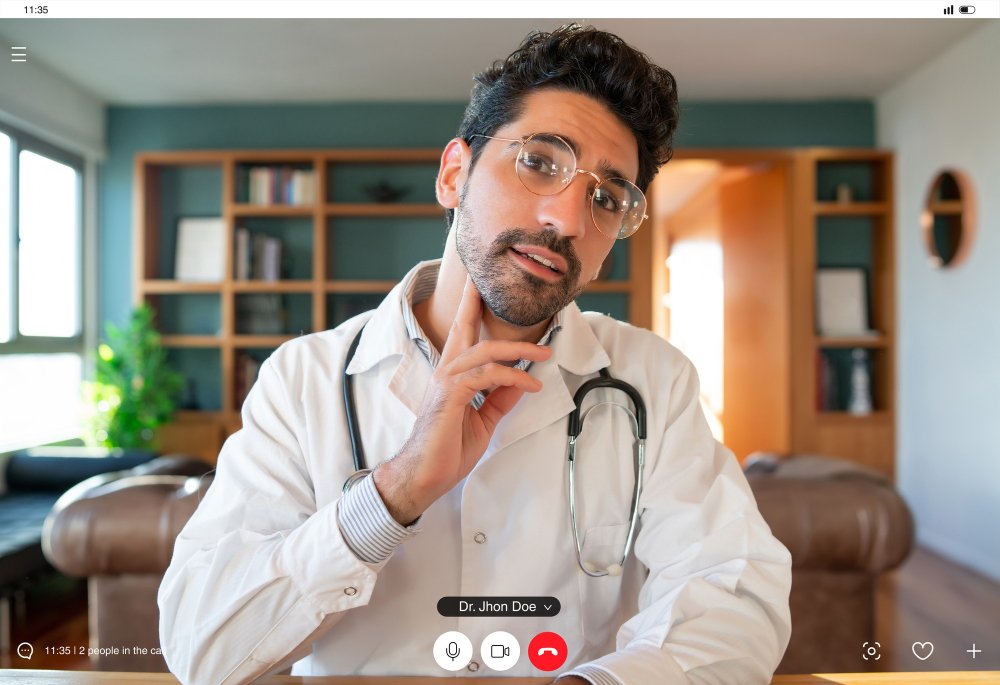
Virtual consultations provide an alternative pathway for appropriate cases. They allow physicians to assess symptoms, review medications, and determine next steps without requiring physical travel. Importantly, this approach helps preserve in-clinic appointments for patients who truly need physical examination.
What Virtual Consultations Handle Well
From professional observation, certain medical concerns are particularly well-suited to remote evaluation:
- Mild respiratory symptoms
- Prescription renewals
- Skin concerns visible by camera
- Follow-up discussions about lab results
- Mental health consultations
- Minor infections without alarming symptoms
These scenarios rely heavily on patient history and symptom description. In many cases, a thorough conversation provides most of the diagnostic insight.
However, virtual care has limits. Severe abdominal pain, breathing difficulty, neurological symptoms, chest pain, or injuries always require in-person evaluation. Responsible telehealth providers make these boundaries clear from the outset.
First-Hand Insights on Patient Experience
In rural communities, healthcare decisions often intersect with everyday responsibilities. Farmers during harvest season cannot easily leave equipment unattended. Parents may struggle to arrange childcare. Seniors may rely on family members for transportation.
Virtual consultations reduce these logistical burdens. A scheduled online appointment can fit between responsibilities without sacrificing access to professional advice.
Yet challenges exist. Some patients are unfamiliar with video platforms. Internet reliability may fluctuate. Providers who have worked in this space recognize the importance of offering simple login systems and, when necessary, backup phone consultations.
Technology must remain accessible, not intimidating.
Addressing Common Misconceptions
Despite increasing familiarity, misunderstandings about telemedicine persist.
“Online appointments are less thorough.”
In reality, many primary care consultations rely primarily on detailed patient history. Skilled physicians know how to ask targeted questions that reveal critical information.
“Prescriptions are given too easily.”
Licensed practitioners follow the same prescribing regulations whether online or in-person. Documentation standards are often stricter in digital environments.
“Virtual care replaces local healthcare.”
Telemedicine complements in-person services. It is not a replacement for diagnostic imaging, physical examinations, or emergency services.
For individuals searching for a virtual doctor lac du bonnet, clarity about these realities fosters safer and more effective use.
The Importance of Proper Triage
One of the most important responsibilities in virtual medicine is triage. A competent physician must quickly determine whether a patient’s symptoms are appropriate for remote management.
When symptoms raise concern, the provider should advise immediate in-person evaluation. Ethical practice means recognizing when telemedicine is not sufficient.
This safeguard protects both patient safety and the integrity of remote healthcare services.
Privacy and Security Standards
Healthcare discussions involve sensitive personal information. Any legitimate online medical service must operate within established privacy frameworks.
Secure systems include:
- Encrypted video communication
- Identity verification processes
- Protected digital medical records
- Compliance with healthcare data regulations
Patients should feel comfortable asking about privacy policies. Transparency builds trust.
Practical Preparation for a Virtual Appointment
From years of observing remote consultations, preparation significantly improves outcomes. Patients are encouraged to:
- Test their internet connection beforehand
- Sit in a quiet, well-lit space
- Prepare a list of medications and dosages
- Have pharmacy information available
- Write down key symptoms and timelines
If discussing a visible issue such as a rash, proper lighting and camera positioning help the physician assess accurately.
Small preparations prevent unnecessary follow-ups.
Limitations That Should Be Acknowledged
Responsible telemedicine includes acknowledging its boundaries. Physical examinations remain essential in many cases. Diagnostic tools such as blood tests, imaging studies, or cardiac monitoring cannot be replaced by conversation alone.
Virtual consultations serve as a first point of contact or follow-up mechanism—not a comprehensive substitute for all healthcare needs.
Patients benefit most when they understand that remote care is one component of a broader system.
The Long-Term Role of Remote Healthcare
Rural healthcare systems continue to evolve. Virtual appointments reduce pressure on limited in-person slots and allow providers to allocate time more efficiently.
When integrated thoughtfully, telemedicine improves:
- Appointment flexibility
- Chronic disease monitoring
- Access to mental health services
- Follow-up compliance
However, success depends on professional oversight, regulatory compliance, and responsible patient use.
For many residents, accessing a virtual doctor lac du bonnet has become a practical solution for routine care needs, especially when local availability is limited.
Final Thoughts on Virtual Doctor Lac du Bonnet – AskMyDoc
The expansion of virtual healthcare represents adaptation—not replacement. It acknowledges the realities of rural access challenges while maintaining medical standards.
Seeking a virtual doctor lac du bonnet is often about convenience, but its true value lies in continuity of care and timely intervention. When used appropriately, remote consultations help bridge gaps without compromising safety.
Platforms such as AskMyDoc contribute to this evolving healthcare model by providing structured, professional online medical consultations within regulated frameworks.
Healthcare remains rooted in judgment, ethics, and patient trust—whether delivered across a desk or through a screen.
Frequently Asked Questions
- Can serious conditions be treated through virtual consultations?
Serious or emergency conditions require immediate in-person medical care. - Are prescriptions issued during online appointments?
Yes, when medically appropriate and following proper assessment. - Is patient information secure during virtual visits?
Reputable services use encrypted systems to protect medical data. - What equipment is needed for a virtual appointment?
A smartphone, tablet, or computer with internet access is typically sufficient. - Can virtual care replace a family physician?
It works best as a complement to ongoing primary healthcare, not a full replacement.