
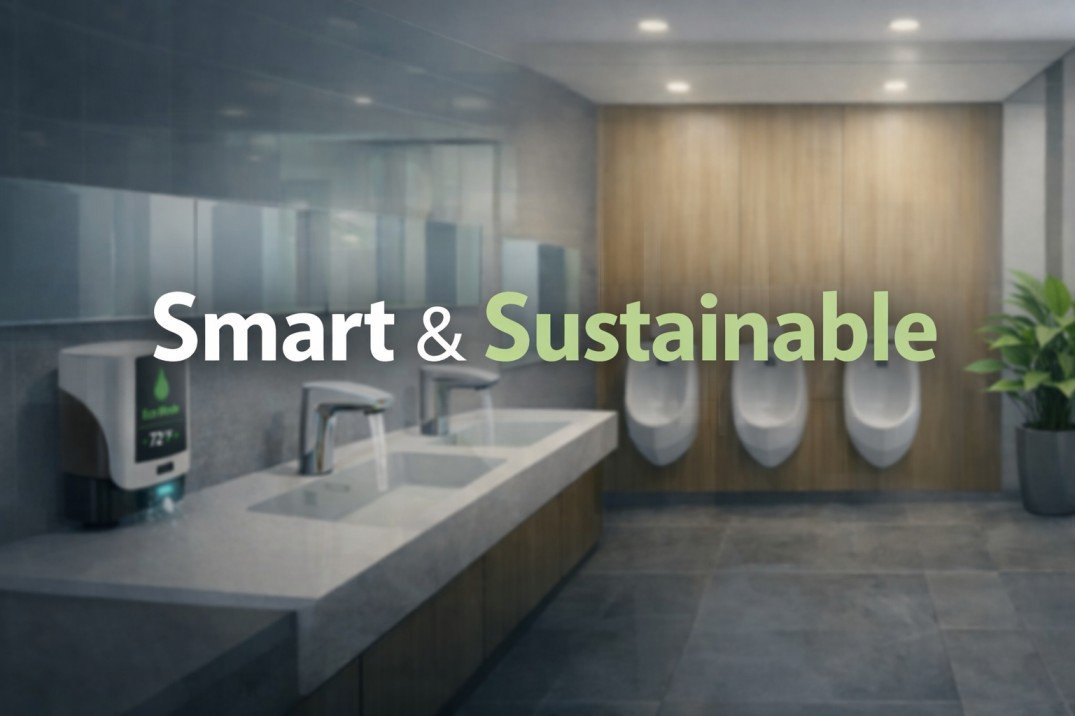
In today’s corporate world, sustainability is no longer optional — it is a responsibility. Modern offices are evolving into smarter, greener, and more health-conscious environments. One critical yet often overlooked area of workplace sustainability is the washroom.
Smart and sustainable washroom systems for modern offices combine hygiene, environmental responsibility, cost efficiency, and advanced technology into one integrated solution. These systems not only enhance user experience but also support corporate sustainability goals, reduce operational costs, and create healthier workspaces.
Why Office Washrooms Need a Sustainable Upgrade
Office washrooms experience high foot traffic daily. Traditional systems often result in:
-
Excessive water usage
-
High energy consumption
-
Chemical-heavy cleaning practices
-
Persistent odor problems
-
Poor maintenance tracking
-
Increased operational costs
A smart, sustainable washroom system addresses these challenges through eco-friendly technologies, automated management, and advanced odor control solutions.
What Makes a Washroom “Smart” and “Sustainable”?
A truly modern washroom integrates technology and environmental responsibility. Here are the core components:
1. Water Efficiency Systems
Water-saving faucets, dual-flush systems, sensor-based taps, and optimized flow regulators significantly reduce water consumption without compromising performance.
2. Touchless & Sensor-Based Technology
Touch-free dispensers, automatic flush systems, and motion-sensor lighting improve hygiene while reducing waste and energy usage.
3. Advanced Odor Control Solutions
Effective odor management is essential for workplace comfort. Sustainable odor control systems neutralize odors at the source instead of masking them with harsh chemicals. Modern systems use environmentally responsible formulations and controlled dispensing technologies.
4. Energy-Efficient Infrastructure
LED lighting, occupancy sensors, and energy-optimized ventilation systems lower electricity usage while maintaining comfort and compliance.
5. Smart Monitoring & Maintenance
IoT-based systems can monitor refill levels, usage patterns, and maintenance schedules, reducing downtime and ensuring consistent hygiene standards.
Benefits of Smart & Sustainable Washroom Systems for Offices
1. Improved Workplace Hygiene
Employee health directly impacts productivity. Smart washroom systems minimize cross-contamination and improve sanitation through touchless operations and automated hygiene solutions.
2. Enhanced Employee Experience
Clean, odor-free, and well-maintained washrooms leave a lasting impression. Comfortable facilities improve employee satisfaction and reinforce corporate professionalism.
3. Reduced Operational Costs
Sustainable systems reduce:
-
Water bills
-
Energy consumption
-
Maintenance costs
-
Chemical usage
-
Waste generation
Over time, the investment pays for itself through lower long-term expenses.
4. Environmental Responsibility
Companies today are expected to align with ESG (Environmental, Social, Governance) standards. Sustainable washroom systems support:
-
Reduced carbon footprint
-
Lower water waste
-
Eco-friendly product usage
-
Improved sustainability reporting
5. Brand Image & Compliance
Green initiatives enhance corporate reputation. Clients, investors, and employees increasingly prefer businesses that demonstrate environmental responsibility.
Key Features of a Modern Office Washroom System
A comprehensive sustainable washroom solution typically includes:
-
Eco-friendly odor control systems
-
Automatic fragrance dispensers
-
Water-efficient fixtures
-
Biodegradable consumables
-
Smart refill monitoring systems
-
Sustainable cleaning products
-
Energy-saving lighting systems
When integrated strategically, these components create a seamless hygiene ecosystem.
The Role of Odor Control in Sustainable Washrooms
Odor management is one of the most critical aspects of washroom design. Poor odor control can negatively impact employee morale and workplace perception.
Modern sustainable systems focus on:
-
Neutralizing odor molecules
-
Reducing chemical overuse
-
Long-lasting performance
-
Consistent fragrance dispersion
-
Safe indoor air quality
A professionally designed odor control solution ensures that washrooms remain fresh without harming the environment or indoor air quality.
Smart Washroom Systems and Corporate Sustainability Goals
Many organizations have sustainability targets such as:
-
Net-zero emissions
-
Reduced water usage
-
Waste minimization
-
Green building certifications
Sustainable washroom systems directly contribute to:
-
LEED and green building credits
-
Reduced resource consumption
-
Improved environmental reporting metrics
This makes them a strategic investment rather than just a facility upgrade.
Cost vs. Long-Term Value
While smart washroom systems may require initial investment, the long-term benefits include:
-
Lower maintenance frequency
-
Reduced breakdown incidents
-
Controlled supply usage
-
Better inventory management
-
Improved lifespan of fixtures
The financial savings combined with sustainability impact make them a cost-effective solution for modern offices.
Future Trends in Smart Washroom Technology
The next generation of washroom systems will include:
-
AI-driven maintenance alerts
-
Data-driven hygiene optimization
-
Touchless full-cycle washroom experiences
-
Water recycling integration
-
Smart air purification systems
As offices continue to modernize, washrooms will play a bigger role in building intelligence and sustainability frameworks.
Why Modern Offices Must Upgrade Now
Workplace standards have evolved. Employees expect:
-
Clean environments
-
Sustainable operations
-
Contactless hygiene systems
-
Fresh and comfortable spaces
Upgrading to smart and sustainable washroom systems is no longer a luxury — it’s a necessity for competitive, future-ready workplaces.
Organizations that adopt these systems today position themselves as leaders in sustainability, innovation, and employee care.
Frequently Asked Questions (FAQ)
1. What are smart washroom systems?
Smart washroom systems use automated technology, sensor-based devices, and monitoring systems to improve hygiene, efficiency, and sustainability.
2. How do sustainable washroom systems reduce costs?
They reduce water usage, energy consumption, chemical waste, and maintenance frequency, leading to long-term savings.
3. Are smart washroom systems suitable for small offices?
Yes. Solutions can be customized based on office size, traffic, and budget.
4. Do sustainable systems help with odor control?
Yes. Modern eco-friendly odor control systems neutralize odors effectively without excessive chemical use.
5. Are these systems environmentally safe?
When properly implemented using certified eco-friendly products, they significantly reduce environmental impact.
6. Can smart washrooms integrate with building management systems?
Yes. Many advanced systems integrate with centralized building management or IoT platforms.
7. Do they require high maintenance?
No. In fact, they often reduce maintenance due to smart monitoring and predictive servicing.
Conclusion
Smart and sustainable washroom systems for modern offices represent the future of workplace hygiene. By integrating water efficiency, odor control, automation, and eco-friendly solutions, businesses can create cleaner, greener, and more productive environments.
Investing in sustainable washroom infrastructure is not just about facilities management — it’s about corporate responsibility, employee well-being, and long-term operational excellence.
Disclaimer
This article is intended for informational purposes only. Implementation of smart and sustainable washroom systems may vary depending on office size, infrastructure, local regulations, and environmental conditions. Organizations should conduct professional assessments before installing or upgrading washroom systems. Product performance and sustainability outcomes may differ based on usage patterns and maintenance practices.