
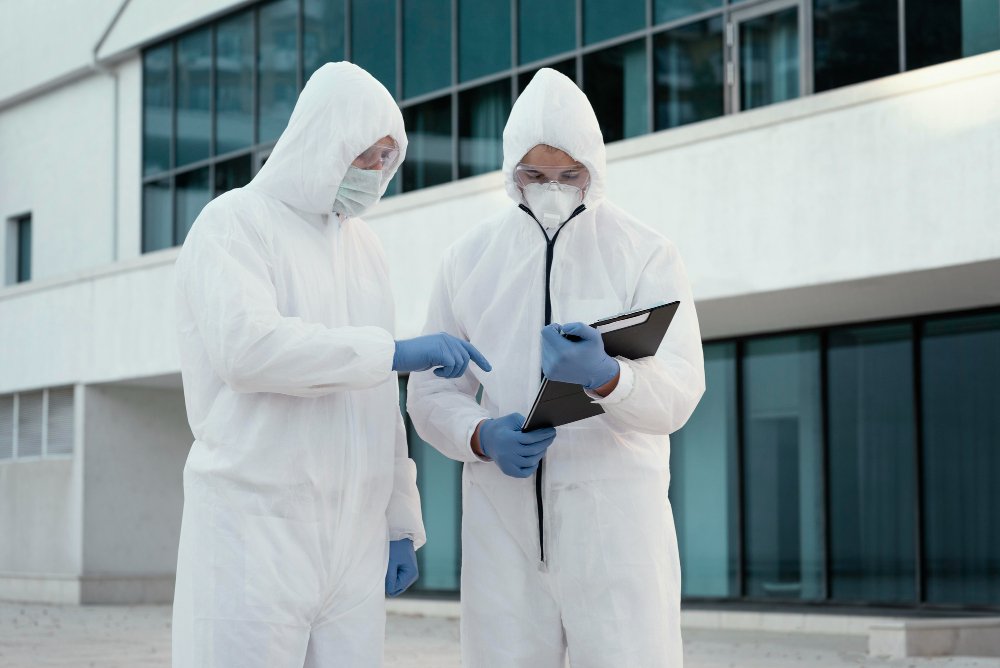
Renovation projects often begin with excitement—new layouts, modern finishes, improved property value. But in buildings constructed before the 1990s, that enthusiasm can quickly turn into concern once suspect materials are uncovered behind walls, under insulation, or beneath aging flooring. Professional asbestos removal becomes not just a regulatory requirement, but a critical health safeguard.
Across residential, commercial, and industrial properties, asbestos-containing materials remain more common than many assume. Insulation, pipe lagging, textured coatings, cement sheets, and vinyl flooring are frequent sources. The danger rarely lies in materials left undisturbed. Risk escalates when cutting, sanding, demolition, or water damage releases microscopic fibers into the air. Once airborne, those fibers can be inhaled and remain lodged in lung tissue for decades.
From an industry perspective, the greatest challenge is not simply removing hazardous materials—it is managing risk responsibly while maintaining compliance with evolving environmental and occupational safety regulations.
Why Experience Matters in Hazardous Material Abatement
In theory, removal may appear straightforward: isolate the area, remove the material, dispose of it properly. In practice, the process is far more technical.
Experienced abatement teams begin with inspection and sampling performed by certified professionals. Laboratory analysis confirms the presence and type of asbestos. Different materials behave differently when disturbed. Friable insulation presents a very different containment challenge compared to bonded materials like vinyl floor tiles.
Containment is where expertise becomes evident. Negative air pressure systems, HEPA filtration units, sealed work zones, and decontamination chambers must be configured precisely. Even small procedural shortcuts—improper sealing, inadequate wetting methods, or poor waste handling—can result in contamination beyond the work area.
Veteran contractors understand airflow dynamics, structural conditions, and material behavior. They anticipate complications before they occur. That foresight reduces exposure risk and project delays.
Understanding the Regulatory Landscape
Compliance is not optional in this industry. Regulations typically govern:
- Worker certification and licensing
- Air monitoring requirements
- Waste transportation and disposal procedures
- Documentation and clearance testing
Failure to meet these standards can lead to significant penalties, project shutdowns, or liability issues.
Clearance testing is particularly critical. After removal, independent air monitoring confirms that fiber concentrations are below permissible limits. Only then should containment barriers be dismantled. Skipping or rushing this step undermines the entire process.
Responsible contractors prioritize documentation transparency. Detailed reports, waste manifests, and air test results should always be available to property owners.
Asbestos Floor Tile Removal: A Common but Misunderstood Risk
Among the most overlooked materials in older properties are vinyl asbestos floor tiles. Many homeowners assume these tiles are harmless because they appear solid and intact. However, asbestos floor tile removal must still be approached carefully.
These tiles are considered non-friable when intact, meaning fibers are tightly bound. The risk increases when:
- Tiles are sanded or mechanically scraped
- Adhesives (often containing asbestos) are disturbed
- Subfloor grinding occurs
- Tiles become brittle due to age or water damage
Professionals avoid aggressive mechanical removal methods whenever possible. Instead, they use controlled wet techniques and specialized tools that minimize breakage. In some cases, encapsulation—installing new flooring over existing material—may be a safer alternative, provided regulations permit it and the material remains in stable condition.
An experienced contractor evaluates whether removal is truly necessary or whether a managed-in-place strategy is more appropriate. Not every asbestos-containing material requires extraction.
Common Mistakes Property Owners Make
Years in the field reveal recurring issues that complicate projects unnecessarily.
- Starting demolition before testing.
Some contractors begin renovation without conducting hazardous material surveys. Once contamination spreads, remediation becomes more complex and expensive. - Attempting DIY removal.
Even small-scale removal can release significant fibers. Hardware-store masks and household vacuums are not adequate protective measures. HEPA filtration and proper containment are essential. - Choosing based solely on price.
Low bids often signal corners being cut—insufficient containment, poor waste handling, or inadequate air monitoring. The true cost may emerge later in the form of contamination or regulatory action. - Ignoring adjacent systems.
HVAC systems can spread fibers beyond the immediate area if not properly isolated. Experienced crews always address ventilation pathways before work begins.
Avoiding these mistakes protects both occupant health and long-term property value.
The Removal Process: What Actually Happens On-Site
To demystify the procedure, it helps to understand how professional asbestos removal typically unfolds:
- Site Assessment and Sampling
Certified inspectors collect material samples for laboratory testing. - Project Planning and Notification
Regulatory bodies are notified where required. A detailed work plan is developed. - Containment Setup
Work areas are sealed using polyethylene sheeting. Negative air machines create inward airflow to prevent fiber escape. - Personal Protective Equipment (PPE)
Workers wear respirators, disposable suits, gloves, and protective footwear. - Controlled Removal
Materials are wetted to suppress dust and carefully removed in sections. - Packaging and Disposal
Waste is double-bagged in labeled, approved containers and transported to authorized disposal facilities. - Decontamination and Clearance Testing
Air monitoring confirms safe fiber levels before reoccupation.
Each stage serves a specific risk-control function. Skipping even one step compromises the integrity of the entire operation.
Transparency and Limitations in Abatement Work
No reputable contractor will claim that removal eliminates all future risk in a building. Structures may contain hidden materials behind walls or in inaccessible cavities. That is why thorough surveys and honest communication are vital.
It is also important to recognize that removal can temporarily increase risk if improperly executed. The act of disturbing material inherently releases fibers. Professional controls exist specifically to manage that temporary hazard.
In certain cases—such as structurally integrated materials—encapsulation or enclosure may be the safer long-term solution. Responsible guidance involves evaluating risk, cost, and practicality rather than defaulting to removal in every scenario.
Health Considerations: Why Caution Is Non-Negotiable
Asbestos-related diseases, including asbestosis and mesothelioma, develop after prolonged exposure. Symptoms often appear decades later. While regulatory limits aim to reduce risk, the safest exposure level remains as low as reasonably achievable.
From an occupational health standpoint, strict adherence to protective protocols protects both workers and occupants. Long-term exposure cases frequently trace back to repeated small disturbances rather than one large event.
The seriousness of potential health outcomes underscores why professional asbestos removal must be handled with discipline and respect for established safety standards.
Making Informed Decisions as a Property Owner
When evaluating abatement services, consider:
- Verification of licenses and certifications
- Evidence of worker training
- Clear explanation of containment methods
- Transparent pricing breakdown
- Independent air testing procedures
Request documentation rather than verbal assurances. Reliable contractors welcome scrutiny because accountability strengthens trust.
In renovation planning, early testing prevents costly surprises. Scheduling a hazardous material survey before demolition is one of the most practical preventive steps any property owner can take.
A Responsible Approach to Managing Legacy Materials
Buildings constructed decades ago were built to the standards of their time. The presence of asbestos does not automatically mean a structure is unsafe. The real danger arises when materials deteriorate or are disturbed without proper controls.
Professional asbestos removal is not merely a construction service—it is a regulated health protection process requiring specialized training, equipment, and procedural discipline. Whether addressing insulation, pipe wrap, or asbestos floor tile removal, the goal remains consistent: minimize fiber release, protect occupants, and comply with environmental standards.
An informed property owner, supported by qualified specialists, can manage these risks responsibly. With proper planning and execution, hazardous materials can be addressed safely, allowing renovation or redevelopment to proceed without compromising health or compliance.
Frequently Asked Questions (FAQs)
- How do I know if my property contains asbestos?
Buildings constructed before the 1990s are more likely to contain asbestos in insulation, flooring, roofing, or textured coatings. The only reliable way to confirm is through laboratory testing of collected samples by certified professionals. - Is asbestos floor tile removal always necessary during renovation?
Not always. If tiles are intact and undisturbed, encapsulation may be a safer and more cost-effective option. Removal becomes necessary when materials are damaged or demolition will disturb them. - How long does a typical removal project take?
Project duration depends on the size of the affected area, material type, and regulatory requirements. Small residential projects may take a few days, while larger commercial sites can require several weeks. - Can occupants remain in the building during removal?
In many cases, temporary relocation is recommended, especially for extensive projects. Proper containment reduces risk, but limiting occupancy further enhances safety. - What happens to the removed material?
All hazardous waste is sealed in approved containers, labeled according to regulations, and transported to licensed disposal facilities designed to handle asbestos-containing materials safely.