
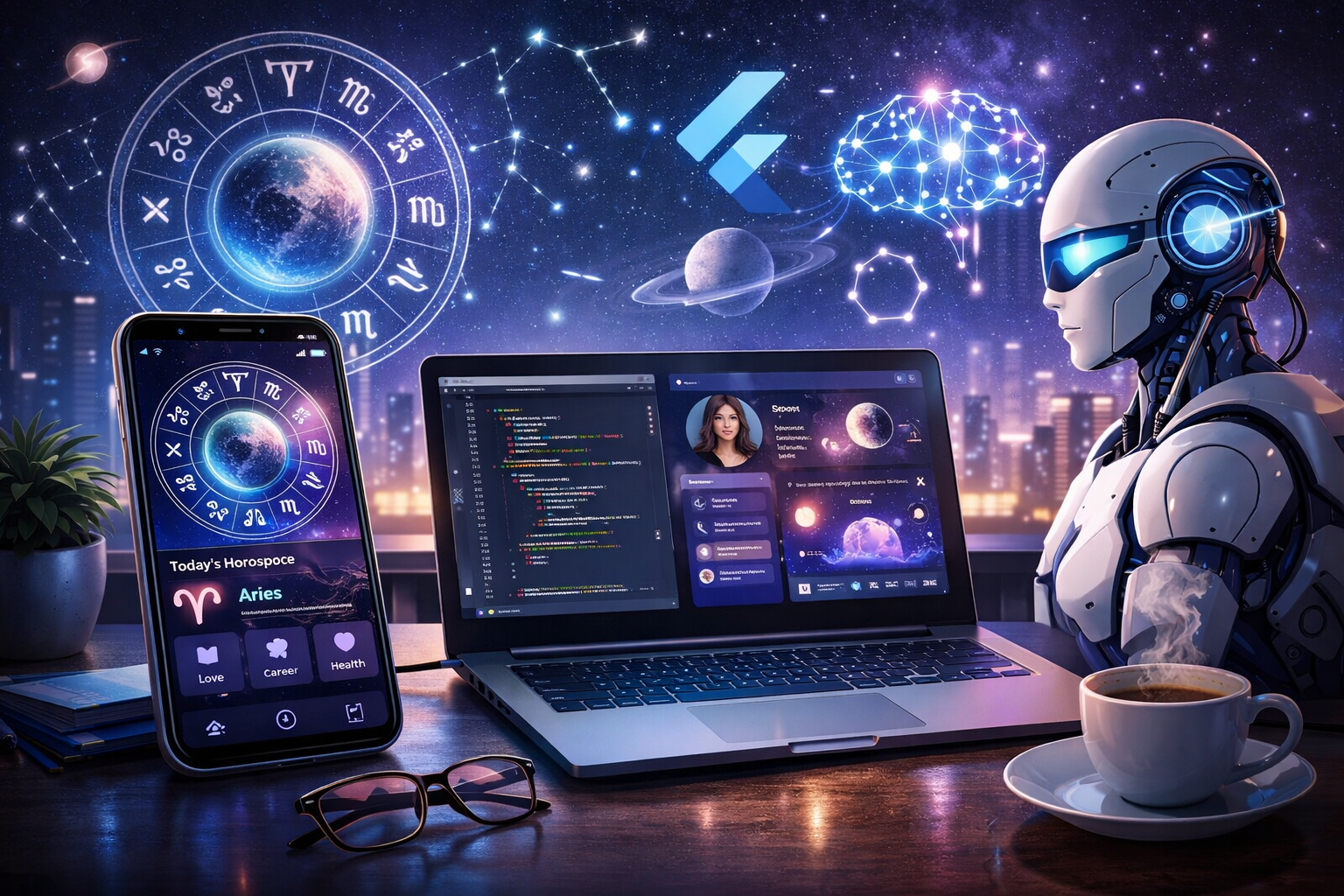
The popularity of astrology apps has skyrocketed in recent years, with millions of users turning to their phones for daily horoscopes, personalized readings, and astrological insights. As the demand for astrology content continues to rise, developers and businesses are exploring how they can create personalized, engaging experiences for their users. If you’re thinking about building a personalized astrology app, this comprehensive guide will walk you through the steps—from understanding the purpose of the app to launching it successfully.
Understanding the Purpose of a Personalized Astrology App
Before diving into the complexities of development, it’s essential to understand the core purpose of creating a personalized astrology app. While astrology apps are widely available, users now expect a deeper, more customized experience that goes beyond generic horoscopes. For businesses looking to create such an app, partnering with astrology app development services can provide the expertise needed to deliver these personalized experiences
What Makes a Personalized Astrology App Different?
A personalized astrology app takes into account each user’s unique astrological profile. Unlike standard astrology apps that deliver the same content to everyone, a personalized app uses data such as birth charts, zodiac signs, and astrological transits to offer content that is tailored to each user. This level of personalization creates a more meaningful and engaging experience.
Personalization Beyond Birth Charts
Personalization in astrology apps can extend far beyond just generating a birth chart. Features like:
- Astrological Predictions: Offer personalized daily, weekly, or monthly predictions based on the user’s unique astrological profile.
- Life Stage Insights: Provide content based on the user’s current life circumstances and astrological transits.
- Behavioral Personalization: Utilize AI to understand user preferences and tailor content to their interests and needs.
By offering a deeply personalized experience, astrology apps can foster a stronger connection with users, making them more likely to return to the app regularly.
Step 1: Define Your Vision and Target Audience
Understand Your Market
Before embarking on the development of an astrology app, it’s crucial to understand the market and your audience. The astrology app space is crowded, with well-established players like Co-Star, The Pattern, and Time Passages leading the way. To stand out, your app must offer something unique.
- What’s Your Unique Value Proposition (UVP)?
Identify a niche or angle that differentiates your app. For example, are you focusing on astrology for wellness, career advice, relationship compatibility, or something else? - Who is Your Target Audience?
Understand who your app is for. Are you targeting millennials, Gen Z, spiritual seekers, or astrology enthusiasts? Knowing your audience’s needs will help you design the app’s features and content accordingly.
Core Features to Consider
Some key features commonly found in successful astrology apps include:
- Personalized Daily Horoscopes
- In-depth Birth Chart Analysis
- Compatibility Reports
- Moon Phase Tracking
- Astrology Forecasts
Understanding what your target audience craves will allow you to prioritize which features to develop first.
Step 2: Choose the Right Technology Stack
To ensure your astrology app functions smoothly and scales as your user base grows, selecting the right technology stack is essential. The backend and frontend frameworks you choose will affect the app’s performance, speed, and security.
Backend Development
For backend services, consider:
- Node.js: Lightweight and efficient, great for handling real-time data and large numbers of simultaneous users.
- Ruby on Rails: Known for rapid development and high productivity, ideal for getting your MVP (Minimum Viable Product) out quickly.
- Python with Django: Flexible and ideal for handling complex data, such as astrological calculations.
Frontend Development
For the frontend, choose frameworks that deliver a responsive and smooth user interface:
- React Native: Great for building cross-platform apps with a single codebase for both iOS and Android.
- Flutter: A powerful and growing framework for building beautiful and natively compiled apps across platforms.
Database
Astrology apps require accurate and extensive data. You can use a relational database like PostgreSQL for handling structured data or a NoSQL database like MongoDB if your app needs to scale quickly.
Step 3: Data Accuracy and Astrological Calculations
One of the most important elements of an astrology app is the accuracy of the astrological data. Your app must deliver reliable readings, horoscopes, and charts that users can trust.
Integrating Astrology APIs
Rather than building your own astrology calculations from scratch, consider using reliable astrology APIs that provide accurate data:
- Astro-Seek API: Offers data for birth charts, transits, and daily horoscopes.
- Astro-API: A flexible API that provides accurate astrological calculations for a wide range of data points.
If you choose to build your own engine for astrological calculations, you’ll need expertise in astrology and astronomy to ensure the app delivers accurate charts based on the user’s birth date, time, and location.
Step 4: User Experience (UX) and Design
A personalized astrology app needs to offer more than just accurate readings—it must provide an engaging and intuitive user experience (UX). Users should be able to easily navigate through the app and access personalized content without feeling overwhelmed.
Profile Customization
Allow users to create detailed profiles by inputting their birth date, time, and location to generate an accurate birth chart. The app should also allow users to save and update their information over time.
Personalized Content
Offer tailored content that resonates with each user’s astrological profile. For example:
- Daily Horoscopes: Based on the user’s unique birth chart.
- Compatibility Reports: Based on astrological compatibility, which can be used for relationships, friendships, and business.
- Personalized Advice: Offer tips and guidance based on the user’s current life stage and astrological influences.
Clean, Engaging Design
An astrology app should have a visually appealing and immersive design. Use rich visuals like astrological symbols, planets, and stars to create an atmospheric experience. Keep the design simple and intuitive, with easy navigation and clear typography.
Also read here: How to Build a Modern Astrology App in 2026 Using AI and Flutter
Step 5: Mobile App Development—iOS and Android
Targeting both iOS and Android platforms is crucial for reaching the broadest possible audience. You can either develop separate native apps for each platform or choose a cross-platform framework.
Native vs. Cross-Platform Development
- Native Apps (Swift for iOS, Kotlin for Android): Ideal if you need advanced, platform-specific features or high performance.
- Cross-Platform (React Native, Flutter): Best for faster development and reduced costs, as a single codebase can be used for both platforms.
Step 6: Integrating Social Sharing and Community Features
Astrology is often a social activity. Users enjoy sharing their daily horoscopes and insights with friends or within social media groups. Integrating social sharing features can enhance user engagement and help grow your app organically.
Community Features
Encourage social interaction within the app by creating discussion forums, groups, or chat features where users can share their astrology insights, discuss their readings, and connect over shared interests.
Step 7: Monetization Strategies
Once your astrology app is up and running, it’s time to think about monetization. Here are some proven methods:
Freemium Model
Offer a basic version of the app for free, with advanced features (like detailed birth chart analysis, compatibility readings, or personalized consultations) available through in-app purchases or a subscription.
Subscription Model
Charge users a monthly or yearly fee for premium content, such as ad-free experiences, exclusive astrology insights, or unlimited readings.
In-App Purchases
You can also monetize specific services, like one-on-one astrology consultations or custom astrology reports, through in-app purchases.
Step 8: Testing and Launch
Before launching, make sure to thoroughly test the app for performance, accuracy, and usability:
- Beta Testing: Invite real users to test the app and provide feedback.
- Performance Testing: Ensure the app loads quickly and handles real-time data without lag.
Once testing is complete, prepare for a smooth launch by optimizing your app for the app stores (App Store and Google Play).
Step 9: Post-Launch Strategy and Updates
After launch, continue to engage users by updating the app regularly with new features, bug fixes, and content updates. Monitor user feedback and use it to improve the app’s functionality.
App Store Optimization (ASO)
To rank well on the App Store and Google Play, ensure your app’s description is optimized for SEO. Use relevant keywords, include attractive visuals, and encourage positive reviews.
Conclusion
Building a personalized astrology app is a rewarding journey that requires attention to detail, accurate data, and a user-focused approach. By offering a personalized experience, integrating advanced technology, and following best practices in app development, you can create an astrology app that not only attracts users but keeps them coming back for more.
Whether you’re launching your first app or improving an existing one, this guide provides the foundation for building a successful, data-driven, and engaging astrology app that meets the needs of today’s users.