
Few wildlife events on earth generate as much anticipation, emotion, and raw visual drama as the Mara River crossing. Every year, millions of wildebeest, zebras, and gazelles undertake a treacherous journey across the crocodile-filled Mara River as part of their annual circuit through the Serengeti-Mara ecosystem. Travelers, photographers, and wildlife enthusiasts from around the world plan their safaris specifically around this event, and those who witness it firsthand consistently describe it as one of the most powerful natural experiences of their lives. Yet despite its global fame, many travelers arrive at the riverbank with only a vague understanding of what they are about to witness. This article presents ten essential facts about the great migration Mara River crossing that every safari traveler should know before they go.
1. The Crossing Is Part of a Year-Round Migration Cycle
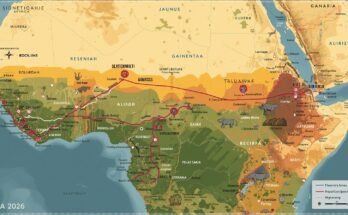
The Mara River crossing does not exist as an isolated event — it forms one dramatic chapter in a continuous, year-round migration that never truly stops. More than 1.5 million wildebeest, along with approximately 200,000 zebras and 500,000 gazelles, travel a circular route of roughly 1,800 miles through Tanzania’s Serengeti National Park and Kenya’s Maasai Mara National Reserve. The herds follow the seasonal rains and the fresh grass they produce, calving in the southern Serengeti between January and March, moving northwest through the central Serengeti between April and June, and pushing north toward the Mara River between July and October before returning south with the short rains in November.
Understanding this broader context helps travelers appreciate the great migration Mara River crossing as the climactic moment of a journey that began months earlier hundreds of miles to the south. The herds that gather at the riverbank in July and August have already traveled enormous distances, driven by instinct and hunger across open plains, through dense bush, and past every predator the Serengeti ecosystem contains. The crossing itself represents not just a physical challenge but the culmination of a migratory drive that ranks among the most extraordinary behavioral phenomena in the animal kingdom.
2. Nile Crocodiles Wait in Enormous Numbers
The Mara River hosts one of the largest concentrations of Nile crocodiles anywhere in Africa, and these ancient predators time their own feeding strategy around the arrival of the migrating herds. Large Nile crocodiles can reach lengths of sixteen feet and weights exceeding 1,500 pounds, making them capable of taking adult wildebeest and zebras at the water’s edge. During the crossing season, crocodiles congregate at known crossing points in numbers that can exceed 100 individuals at a single location, creating an underwater gauntlet that every animal must navigate to reach the opposite bank.
The crocodiles’ ambush strategy is extraordinarily effective. They position themselves in the deeper sections of the river where swimming animals lose their footing and become vulnerable, lunging from below with explosive speed that belies their apparently sluggish riverside posture. Travelers who witness the great migration Mara River crossing from elevated viewpoints above the river can observe crocodiles tracking the movement of the herd from well before the first animals enter the water, demonstrating a level of anticipatory hunting intelligence that never fails to astonish wildlife observers. The presence of so many apex predators in a relatively confined stretch of water concentrates the drama of the crossing into an intensity that no other wildlife event on the continent matches.
3. The Herds Can Hesitate for Hours Before Crossing
One of the most surprising and fascinating aspects of the great migration Mara River crossing is the behavioral dynamic that precedes the actual crossing event. Wildebeest are acutely sensitive to danger and deeply susceptible to collective anxiety, which means large herds can gather at a crossing point and spend hours — sometimes entire days — milling nervously at the water’s edge without committing to the river. A single spooked animal can turn thousands back from the bank, resetting the buildup process entirely. Safari guides who have worked the Mara River for decades describe the pre-crossing tension as one of the most psychologically absorbing wildlife experiences they know.
The crossing typically initiates when a critical mass of animals crowds the bank to a point where forward pressure from behind overcomes the hesitation at the front. A single bold individual — often called the crossing initiator — finally commits to the water, and within seconds thousands of animals follow in a cascading surge that fills the river with churning bodies, desperate splashing, and the thunderous sound of hooves on rock and water. This transition from paralytic hesitation to explosive commitment happens with breathtaking suddenness and represents one of the most cinematically dramatic moments in all of wildlife observation.
4. Multiple Crossings Happen at Different Points Along the River
The Mara River stretches approximately 395 miles from its source in Kenya’s Mau Forest to its outflow into Lake Victoria, and the wildebeest herds cross at numerous different points along the section that runs through the Maasai Mara. Some crossing points have earned names and reputations among safari guides — locations where the riverbank configuration, water depth, and crocodile concentration create particularly intense and observable crossing conditions. Different sections of the river offer dramatically different viewing experiences, with some points providing wide-angle panoramic views of thousands of animals simultaneously and others offering close-proximity encounters with crossing animals just meters from the vehicle.
Experienced safari guides study the great migration Mara River crossing behavior carefully and develop strong intuitions about which crossing points are most active during different phases of the season and under different weather and herd pressure conditions. Travelers who work with knowledgeable guides gain access to this accumulated expertise, which dramatically improves their probability of positioning at an active crossing point rather than waiting at an empty bank. Understanding that crossings occur along an extended river system rather than at a single fixed location helps travelers appreciate why guide expertise and real-time field intelligence play such critical roles in delivering a successful crossing experience.
5. Crossings Can Occur Multiple Times Per Day
The wildebeest do not cross the Mara River in a single organized procession and then move permanently to the opposite bank. Herds cross back and forth repeatedly throughout the crossing season in response to grass availability, predator pressure, rainfall patterns, and the collective behavioral dynamics of the group. On particularly active days, safari guides position their vehicles at the river and witness multiple crossing events involving different groups of animals at different points along the bank. Each crossing carries its own character — some involve vast columns of thousands of animals moving with apparent confidence, while others involve smaller panicked groups that scatter in confusion when crocodiles strike near the bank.
This back-and-forth crossing behavior means that travelers who spend multiple days camped near the Mara River significantly increase their chances of witnessing a dramatic crossing compared to those who attempt a single day visit from a distant lodge. Safari operators who position mobile tented camps within the Maasai Mara or on private conservancies bordering the reserve offer guests the flexibility to respond quickly when crossing activity builds, and the ability to remain at the river for extended periods rather than racing against a long return drive to camp before dark.
6. Zebras Often Lead the Way Across the River
A fascinating behavioral pattern that regular Mara River crossing observers notice consistently is the tendency for zebras to initiate crossings that wildebeest then follow. Zebras possess stronger individual decision-making tendencies than wildebeest, which are highly susceptible to collective panic and indecision. When a group of zebras commits to a crossing, the wildebeest herds waiting nearby frequently interpret this as a signal that the crossing is viable and follow in massive numbers. This interspecies dynamic adds a layer of behavioral complexity to the great migration Mara River crossing that makes repeated observation genuinely educational as well as visually spectacular.
The relationship between zebras and wildebeest throughout the migration cycle is mutually beneficial in multiple ways. Zebras consume the tall, coarse upper sections of grass that wildebeest find unpalatable, effectively preparing grazing areas that the wildebeest then use productively. In return, the vast numbers of wildebeest provide a degree of safety in numbers that benefits the relatively smaller zebra herds traveling alongside them. At the river crossing, this complementary relationship plays out in its most visible and dramatic form, with the two species navigating one of the most dangerous passages of their annual journey in a behavioral partnership forged over thousands of years of co-evolution.
7. Predator Activity Intensifies Dramatically During Crossing Season
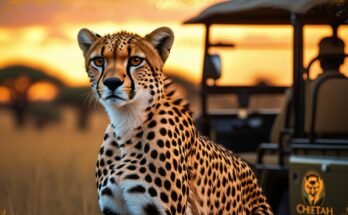
The concentration of prey animals at Mara River crossing points attracts every major predator in the Maasai Mara ecosystem. Lion prides position themselves strategically on both banks, targeting exhausted and disoriented animals emerging from the water. Spotted hyena clans follow the herds in large numbers and scavenge aggressively at crossing sites where weakened animals provide accessible targets. Leopards use the cover of riverine vegetation to ambush animals moving toward or away from the water. Cheetahs pursue individuals that separate from the main herd during the chaos of a crossing event.
For safari travelers, this convergence of predator activity means that the area surrounding active crossing points offers exceptional big cat and predator sightings throughout the crossing season — not just during crossing events themselves. A traveler stationed near the Mara River in August can expect to encounter lions, leopards, cheetahs, hyenas, and African wild dogs with a frequency that rivals the very best game viewing areas in all of Africa. The great migration Mara River crossing essentially functions as a wildlife magnet that draws the entire predator community of the Maasai Mara into a concentrated area, creating game viewing conditions of extraordinary density and diversity.
8. The Best Viewing Positions Require Early Positioning
Witnessing the great migration Mara River crossing from the optimal viewing position requires planning, patience, and early arrival at the riverbank. The most productive crossing viewpoints attract significant numbers of safari vehicles during peak season, and the best elevated positions with clear sightlines to the water fill up quickly once field guides begin reporting herd buildup activity. Travelers who arrive at a crossing point after a large vehicle queue has already formed may find their view partially obstructed and their ability to reposition restricted by the concentration of other vehicles.
Experienced guides monitor herd movement and behavioral signals from early morning and position their vehicles at likely crossing points well before the animals actually commit to the water. This proactive approach sometimes means waiting for extended periods at a quiet bank — but the payoff when a crossing finally erupts makes every minute of patient waiting worthwhile. Travelers who trust their guide’s positioning judgment and resist the temptation to abandon a promising crossing point in favor of other activities consistently report better crossing experiences than those who attempt to optimize their time by dividing attention between multiple activities during peak crossing hours.
9. Wildlife Photography Reaches Its Greatest Challenge and Reward
The Mara River crossing presents wildlife photographers with conditions that simultaneously offer their greatest photographic opportunities and their most demanding technical challenges. The fast-moving water, chaotic animal movement, dramatic dust and spray, intense predator action, and rapidly changing light conditions demand high shutter speeds, accurate autofocus tracking, and careful exposure management that push even professional camera systems to their limits. Photographers who arrive at the Mara River with appropriate telephoto lenses, fast memory cards, and a solid understanding of action photography technique leave with images of extraordinary power and impact.
The great migration Mara River crossing generates some of the most published and awarded wildlife photographs in the world, and the photographic community actively plans safari expeditions around the crossing season specifically. Photography-focused safari operators offer specialized crossing-oriented itineraries that position participants at the river during peak crossing hours with guides who understand photographic requirements as well as wildlife behavior. For travelers who combine a passion for wildlife observation with serious photographic ambition, no single wildlife event on earth offers a more rewarding or more challenging subject than the Mara River crossing at its most intense.
10. The Crossing Season Supports an Entire Safari Economy
The global fame of the great migration Mara River crossing drives an enormous and sophisticated safari tourism economy that operates throughout the Maasai Mara ecosystem and beyond. Dozens of luxury lodges and tented camps position themselves within striking distance of the river’s most active crossing zones, offering experiences that range from intimate six-guest fly camps to large luxury lodges with swimming pools and fine dining. Private conservancies bordering the Maasai Mara National Reserve have developed specifically to capture crossing season demand, offering exclusive game viewing areas with strictly limited vehicle numbers that deliver a more private and immersive experience than the main reserve can provide during peak season.
The economic activity generated by crossing season tourism funds conservation programs, anti-poaching operations, community development initiatives, and wildlife research projects that benefit the entire Serengeti-Mara ecosystem year-round. Travelers who choose responsibly operated safari camps and lodges that invest meaningfully in community and conservation programs contribute directly to the long-term protection of the migration and the ecosystem that sustains it. Understanding the great migration Mara River crossing as both a natural wonder and an economic engine for responsible conservation helps travelers make more informed and more impactful choices about where they spend their safari budget during this extraordinary annual event.
Conclusion
The great migration Mara River crossing stands apart from every other wildlife event on earth in its scale, drama, unpredictability, and emotional impact. These ten facts only begin to capture the complexity and wonder of an event that rewards every traveler who plans carefully, positions patiently, and opens themselves fully to what the river and the herds have to offer. Whether you witness a single explosive crossing or spend a week immersed in the behavioral drama of the crossing season, the Mara River will deliver an experience that stays with you for the rest of your life — and leaves you planning your return before you have even left the bank.