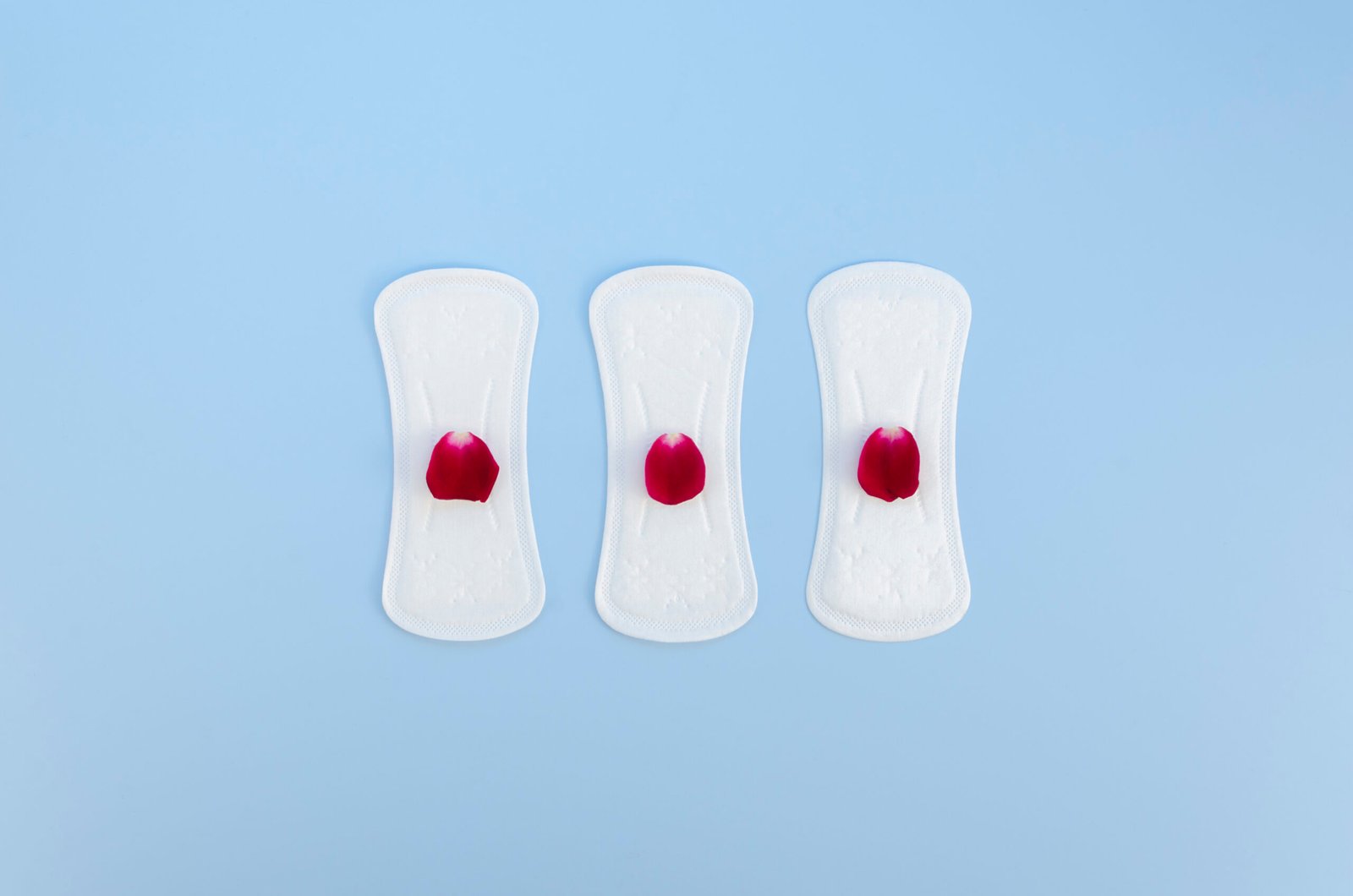
We are witnessing a decisive shift in menstrual care as more individuals prioritise health, comfort, and environmental responsibility. Eco-friendly period pads have emerged as a superior alternative to conventional disposable pads, offering advanced protection while aligning with sustainable living values. By combining plant-based materials, skin-safe technology, and biodegradable design, these pads redefine what modern menstrual care should deliver without compromise.
What Makes Eco-Friendly Period Pads Different
Eco-friendly period pads are meticulously designed using renewable, natural, and responsibly sourced materials. Unlike conventional pads that rely heavily on plastics and synthetic fibres, sustainable pads integrate organic cotton, bamboo fibre, cornstarch biopolymers, and wood pulp. These materials significantly reduce environmental impact while providing exceptional comfort and performance.
Key distinguishing factors include:
- Plastic-free or minimal-plastic construction
- Chlorine-free and chemical-free processing
- Dermatologically tested surface layers
- High absorbency with breathable cores
- Compostable or biodegradable components
Health Benefits of Eco-Friendly Period Pads
Gentle on Sensitive Skin
We prioritise skin health by eliminating harsh chemicals such as phthalates, parabens, synthetic fragrances, and dyes. Eco-friendly pads reduce the risk of rashes, itching, irritation, and allergic reactions, making them ideal for sensitive and irritation-prone skin.
Improved Breathability
Natural fibres allow better air circulation, preventing moisture buildup and bacterial growth. This breathability helps maintain balanced intimate hygiene, reducing discomfort and odour during extended wear.
Reduced Toxic Exposure
Conventional pads may contain trace amounts of harmful substances. Sustainable pads avoid these risks entirely, supporting long-term feminine wellness and peace of mind.
Environmental Impact: A Responsible Choice
Lower Carbon Footprint
Eco-friendly pads use renewable raw materials and energy-efficient manufacturing processes, resulting in reduced greenhouse gas emissions compared to traditional pads.
Biodegradable and Compost-Friendly
Many sustainable pads decompose naturally within months rather than centuries. This dramatically cuts down landfill waste and prevents microplastic pollution in soil and water systems.
Reduced Plastic Waste
By eliminating polyethene back sheets and plastic applicators, eco-friendly pads significantly lower single-use plastic consumption, contributing to a cleaner planet.
Performance Without Compromise
Advanced Absorbency Technology
We ensure reliable protection through multi-layer absorbent cores engineered to lock in fluid quickly and prevent leaks. Eco-friendly pads now match and often exceed the absorbency levels of conventional pads.
Secure Fit and All-Day Comfort
Ergonomic designs with flexible wings, contoured shapes, and strong adhesive backing ensure a secure fit during daily activities, workouts, and overnight use.
Odour Control Naturally
Instead of artificial fragrances, natural materials neutralise odour by controlling moisture and bacterial growth, ensuring freshness without synthetic masking agents.
Types of Eco-Friendly Period Pads Available
Organic Cotton Pads
Soft, breathable, and highly absorbent, organic cotton pads are ideal for daily comfort and sensitive skin protection.
BambooFiber Pads
Naturally antibacterial and ultra-absorbent, bamboo pads offer excellent moisture control and durability.
Compostable Disposable Pads
Designed for convenience, these pads break down naturally while offering reliable performance for modern lifestyles.
Reusable Cloth Pads
Washable and long-lasting, reusable pads provide a zero-waste option with customizable absorbency levels.
Why Eco-Friendly Period Pads Are Cost-Effective
While the upfront cost may appear higher, eco-friendly pads offer long-term value. Reusable options significantly reduce recurring expenses, and disposable sustainable pads often last longer per use due to higher absorbency. We also factor in health savings, as reduced skin issues mean fewer medical treatments and discomfort-related costs.
Supporting Ethical and Transparent Brands
By choosing eco-friendly menstrual products, we support brands committed to:
- Ethical sourcing
- Cruelty-free testing
- Transparent ingredient disclosure
- Fair labor practices
- Sustainable packaging solutions
This conscious purchasing power drives innovation and accountability across the feminine hygiene industry.
Eco-Friendly Period Pads and Lifestyle Compatibility
Ideal for Active Lifestyles
Lightweight yet secure designs ensure confidence during work, travel, sports, and outdoor activities.
Suitable for All Flow Levels
From light days to heavy flow and overnight protection, sustainable pads are available in multiple absorbency variants.
Discreet and Comfortable
Ultra-thin profiles ensure discreet wear under all clothing types without compromising protection.
How to Choose the Right Eco-Friendly Period Pad
We recommend selecting based on:
- Flow intensity
- Skin sensitivity
- Lifestyle needs
- Material preferences
- Disposal or reuse preference
Checking certifications such as GOTS, FSC, and OEKO-TEX further ensures quality and sustainability.
The Future of Menstrual Care
Eco-friendly period pads represent the future of menstrual hygiene where performance, health, and sustainability coexist. As innovation continues, we expect enhanced materials, more innovative designs, and even lower environmental footprints. Choosing sustainable menstrual care today contributes to a healthier body and a cleaner planet tomorrow.
Final Thoughts
We believe eco-friendly period pads are not just an alternative—they are the better standard. By prioritizing natural materials, skin safety, and environmental responsibility, these pads empower informed choices without sacrificing comfort or reliability. Making the switch supports personal wellness while actively protecting the planet for future generations.