
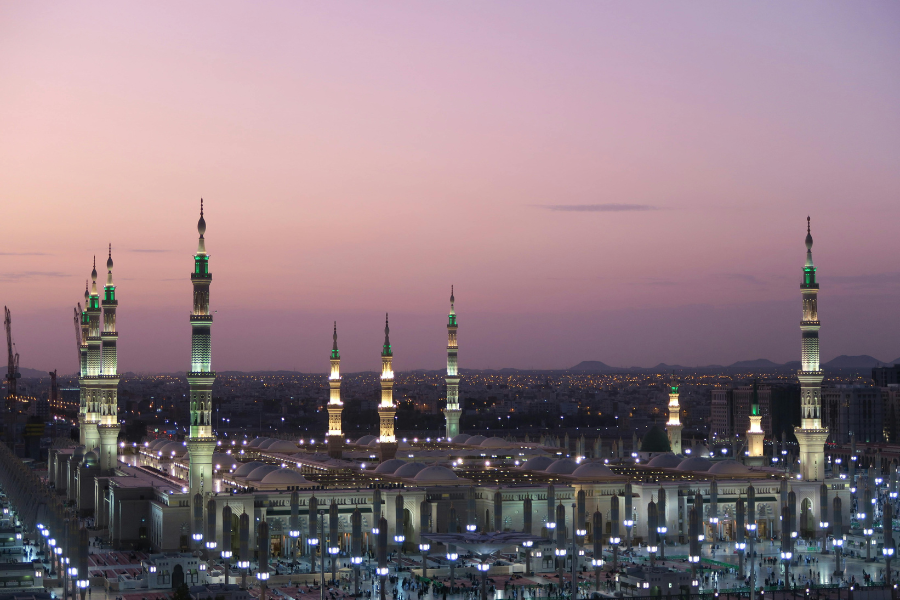
Embarking on Umrah during the Easter season offers a unique blend of spiritual renewal and holiday timing, making it an ideal period for Muslims to fulfill this sacred obligation. Easter Umrah Packages are tailored to accommodate the spring break, providing pilgrims with milder weather in Saudi Arabia that enhances comfort during rituals like Tawaf and Sa’i. These Easter Umrah Packages often include flights, visa support, accommodations near the holy sites, and transportation, allowing for a focused journey without logistical worries. Determining the optimal duration—typically 7 to 14 days—depends on balancing spiritual depth with practical constraints, ensuring pilgrims return refreshed and transformed.
The essence of a complete Umrah experience lies in allowing sufficient time for reflection, worship, and ziyarat (visits to historical sites), and Easter Umrah Packages facilitate this by aligning with school and work holidays. Pilgrims opting for Easter Umrah Packages can extend their stay to include both Makkah and Madinah, fostering a holistic spiritual immersion. Shorter trips of 5-7 days suit those with tight schedules, while longer ones of 10-14 days enable deeper engagement with the rituals and local culture. Ultimately, the right length ensures that the pilgrimage isn’t rushed, allowing the Easter timing’s serene atmosphere to amplify divine connection and personal growth.
Understanding the Ideal Duration for Umrah
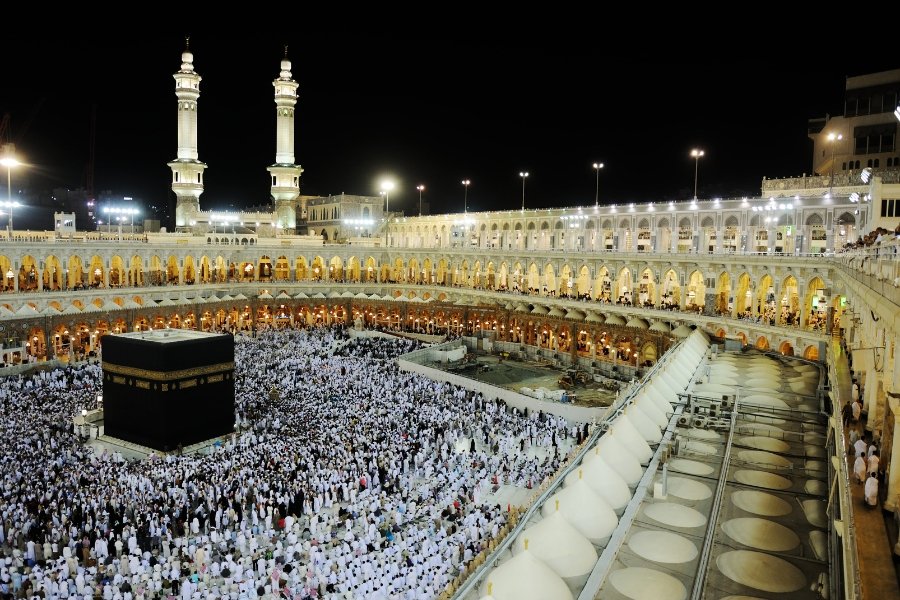
The recommended length for an Umrah trip varies based on individual needs, but experts suggest 7-10 days as a minimum for a fulfilling experience. This duration allows time for the core rituals—Tawaf, Sa’i, and hair trimming—plus recovery from travel fatigue. Shorter trips risk feeling incomplete, missing out on voluntary prayers or reflections at Masjid al-Haram.
For Easter specifically, with its mild 20-30°C weather, pilgrims can comfortably extend to 12-14 days, incorporating ziyarat to sites like the Cave of Hira. This extra time prevents burnout, ensuring each day builds spiritual momentum. Families often prefer 10 days to balance children’s energy with rest, while solo travelers might opt for 7-8 days focused on introspection. Historical pilgrim accounts emphasize unhurried devotion for lasting impact. In practice, a 9-day itinerary might include 5 days in Makkah for main rites and 4 in Madinah for prophetic history, creating a balanced spiritual arc.
Factors Influencing Trip Length
Personal health plays a key role; those with mobility issues may need 10+ days for paced rituals. Budget constraints favor shorter stays, but Easter deals can make extensions affordable.
Group dynamics matter—families with elders extend for comfort, while youth groups shorten for efficiency. Spiritual goals, like multiple Umrahs, demand more time. Seasonal factors in Easter, like longer daylight, allow extended worship without night fatigue. Pilgrims should assess fitness through pre-trip walks simulating Sa’i distances. Ultimately, consulting experts helps tailor duration to maximize barakah.
Spiritual Benefits of Extended Stays
Longer trips foster deeper spiritual growth, allowing pilgrims to internalize Umrah’s lessons. A 10-14 day stay enables daily Tawaf, building habitual devotion and forgiveness-seeking. Quiet evenings in Madinah for Rawdah prayers provide profound peace, unattainable in rushed visits. Extended time counters jet lag, ensuring sincere niyyah from day one. Pilgrims report life-changing insights during prolonged reflections, like resolving personal conflicts through dua. This depth aligns with hadiths on rewarded patience in worship. Families bond through shared ziyarat, creating generational faith legacies. In Easter’s calm, extensions amplify mercy-seeking.
Balancing Rituals and Reflection
Core rites take 2-3 days, but reflection requires more—allocate 4-5 days for meditation post-rituals. This balance prevents superficial experiences. Incorporate sunnah acts like extra nawafil in longer stays. A 12-day plan: Days 1-3 arrival/rites, 4-8 reflection/ziyarat, 9-12 Madinah immersion. Pilgrims from Canada extended to 14 days, finding renewed purpose through unhurried supplications. This structure ensures completeness.
Practical Considerations for Trip Length
Logistics dictate duration: Direct flights save time, allowing shorter trips, but connections add days. Visa validity (up to 90 days) offers flexibility. Hotel availability in Easter peaks early; longer stays secure better rates. Budget for meals/transports—extensions add $200-500 but enhance value.
Health prep: Vaccinations 2 weeks prior; longer trips allow acclimation. Agencies recommend 7-10 days minimum for jet lag recovery. A pilgrim from Australia planned 11 days, balancing work return with spiritual recharge.
Budgeting for Different Durations
7-day trips cost $1,500-$2,000; 14-day $2,500-$3,500. Extensions save per-day rates through packages. Allocate 40% flights, 30% hotels—Easter deals bundle ziyarat, reducing extras. Save by group bookings, cutting 15-20%. A family from the UK budgeted 10 days at $8,000 total, including sadaqah. Smart planning maximizes spiritual return on investment.
Role of Agencies in Planning Duration
A umrah travel agency specializes in customizing trip lengths, advising based on pilgrim profiles. They suggest 8-12 days for Easter, factoring weather and crowds. Agencies handle extensions seamlessly, adjusting visas/hotels. Their expertise prevents over/under-planning, ensuring completeness. Pilgrims rely on them for itineraries blending rites with rest. An agency from Dubai helped a group extend ziyarat, enriching their experience. This guidance turns abstract plans into blessed realities.
Shorter Trips: Pros and Cons
5-7 day trips suit busy schedules, focusing on essentials without overload. Pros: Lower cost, quick spiritual boost.
Cons: Rushed rituals, limited reflection. Ideal for repeat pilgrims; first-timers risk missing depth. In Easter, mild weather maximizes short stays. A solo traveler from Egypt found 6 days sufficient for renewal. Balance with pre/post-home devotion for completeness.
Health and Wellness in Trip Planning

Duration affects health; shorter for high-energy, longer for recovery. Easter’s mildness supports extensions without strain. Include rest days; agencies suggest wellness add-ons like spas. Monitor fitness pre-trip. Pilgrims with conditions extend for paced rites. A senior from Jordan’s 12-day plan prevented exhaustion. This ensures physical support and spirituality.
When to Choose 7-10 Days
This mid-range offers core plus extras, like Madinah visits. Pros: Balanced spiritual/practical.
Cons: Moderate cost. Suits families; allows kid-friendly pacing. Umrah Packages in Easter often default to 10 days, including ziyarat. A group from Pakistan chose 9 days, achieving fulfillment without fatigue. This duration hits the sweet spot for most.
Longer Trips: Maximizing Depth
12-14+ days enable multiple Umrahs, deep ziyarat, and community engagement. Pros: Profound transformation, cultural immersion.
Cons: Higher cost, time commitment. Ideal for retirees or sabbaticals. In Easter, extensions explore spring-blooming sites. A couple from Malaysia’s 15-day trip healed marital bonds through extended duas. This length ensures lasting spiritual legacy.
Integrating Ziyarat in Extensions
Ziyarat to Uhud, Quba adds historical depth in longer stays. Allocate 3-4 days; agencies guide.
Enhances understanding of prophetic life. Pros: Educational value. A family from the US extended this, fostering kids’ faith. Partner with an umrah travel agency for authentic tours. This enriches completeness.
Mental Preparation for Optimal Length
Mentally, longer trips allow processing emotions; shorter for focused bursts. Read Umrah guides; set intentions. Agencies offer webinars on duration’s psychological impact. A pilgrim from Turkey prepared for 10 days, achieving clarity. This prep maximizes experience.
Cultural Immersion in Longer Stays
Extensions enable market visits, local cuisine in Madinah. Learn Arabic phrases; interact with diverse pilgrims. Enhances global ummah sense. Pros: Broader perspective. A group from South Africa extended for this, gaining cultural insights. Agencies include cultural tours.
Family Dynamics in Duration Choice
Families with kids favor 8-10 days for engagement without boredom. Include fun ziyarat. Parents bond through shared reflections. A family from Canada’s 11-day trip strengthened ties. Agencies customize for families, ensuring joy. This family focus completes the experience.
Conclusion
The ideal Easter Umrah trip length—7-14 days—depends on goals, ensuring complete spiritual experience. Easter Umrah Packages facilitate this; choose wisely for profound renewal.