
As organizations continue to digitize operations, the focus on data protection has never been stronger. Firewalls, encryption, and access controls receive significant attention, yet one crucial phase is still frequently underestimated: what happens to information once it is no longer needed. In real-world environments, improperly handled end-of-life data has been responsible for many avoidable security incidents. Experienced professionals know that Data Destruction is not merely an IT task—it is a governance issue with legal, operational, and ethical implications.
Why Improper Disposal Remains a Persistent Risk
In practice, data exposure often occurs long after systems are decommissioned. Old servers placed in storage, employee laptops returned without verification, or backup drives forgotten in cabinets are common examples. These situations are rarely malicious; they stem from process gaps rather than intent.
Professionals who have supported compliance audits frequently encounter cases where organizations invested heavily in cybersecurity but lacked formal disposal procedures. Regulations such as GDPR and HIPAA do not distinguish between active and retired data. From a regulatory standpoint, sensitive information must remain protected until it is permanently eliminated through reliable Data Destruction practices.
Understanding What Secure Data Elimination Really Means
A widespread misconception is that deleting files or formatting storage devices permanently removes data. In reality, these actions only remove references to the data, leaving it recoverable with basic forensic tools. Secure elimination requires methods that render information irretrievable, even under advanced analysis.
This distinction becomes particularly important during litigation, breach investigations, or regulatory reviews. Professionals with hands-on experience recognize that defensible disposal methods must be verifiable, documented, and aligned with the organization’s data classification framework.
Commonly Used Data Destruction Methods
Software-Based Wiping
Software wiping overwrites storage sectors using recognized standards. When executed correctly, it allows devices to be reused. However, in operational environments, wiping failures often occur due to damaged drives, interrupted processes, or incomplete inventories.
Degaussing
Degaussing neutralizes magnetic fields on certain storage media. While effective for tapes and some hard drives, it does not work on solid-state devices and permanently disables hardware. This limitation is frequently overlooked when mixed storage environments are involved.
Physical Destruction
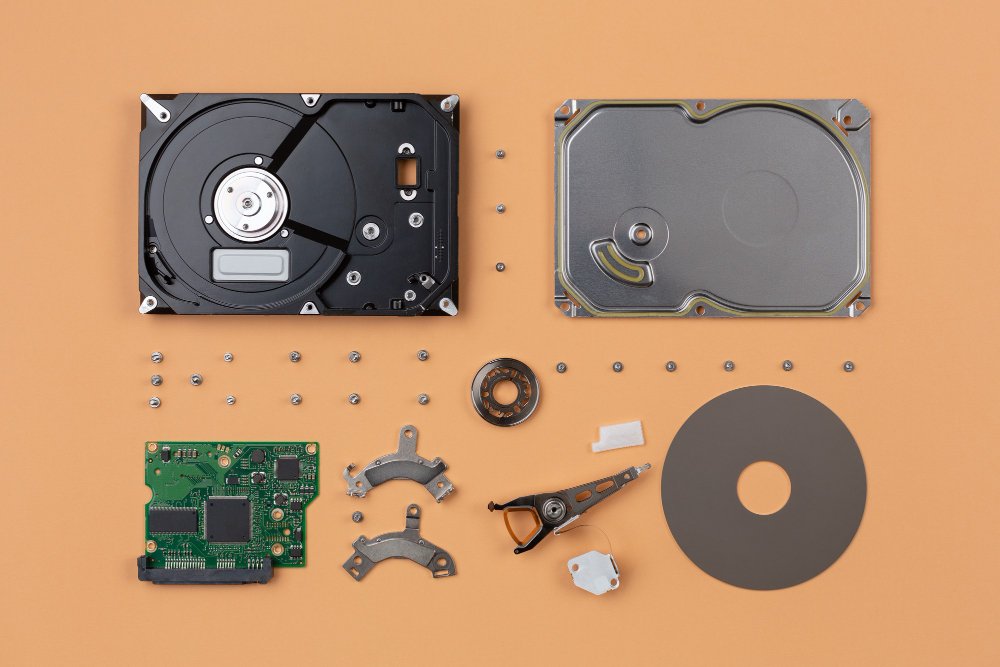
Physical methods remain the most definitive approach for eliminating sensitive information. Hard Drive Destruction through shredding or crushing ensures that data cannot be reconstructed. This method is widely adopted in sectors with low risk tolerance, such as finance and government.
Hard Drive Destruction in High-Risk Environments
In regulated industries, Hard Drive Destruction is often selected to remove uncertainty. From experience, physical elimination provides clear assurance when devices contain highly confidential or regulated data.
However, effectiveness depends on process integrity. Drives must be tracked from decommissioning through final disposal. Chain-of-custody documentation and certificates of destruction are not bureaucratic formalities—they are safeguards that protect organizations during audits or legal scrutiny.
While Hard Drive Destruction is reliable, it also requires planning. Environmental impact, recycling standards, and secure handling of remnants must be addressed responsibly.
Operational Mistakes Seen Too Often
Despite available guidance, several recurring issues appear across organizations:
- Assuming deletion equals permanent removal
- Overlooking backup media and removable storage
- Failing to audit third-party disposal vendors
- Missing documentation for destroyed assets
- Treating disposal as a one-time event rather than an ongoing process
These mistakes usually arise from fragmented ownership between IT, compliance, and facilities teams. Professionals with long-term operational experience consistently emphasize clear accountability and standardized procedures.
Practical Guidance for Responsible Implementation
Effective Data Destruction begins with visibility. Organizations must maintain accurate inventories of all data-bearing assets, including those in remote offices and employee homes. Without visibility, secure disposal is impossible.
Next, disposal methods should align with data sensitivity. Not every device requires the same level of treatment, but highly sensitive data warrants stronger controls. Policies should define approved methods and verification steps.
Third-party vendors can support scale and efficiency, but only when properly vetted. Certifications, transparent processes, and audit access are essential. Experienced professionals recommend periodic reviews rather than relying on initial assurances.
Finally, staff training is critical. Employees involved in asset returns or system upgrades should understand the risks of improper disposal and the organization’s expectations.
Transparency, Limitations, and Realistic Expectations
No method eliminates risk entirely. Software wiping may fail on damaged drives. Physical destruction eliminates reuse and increases environmental considerations. Acknowledging these trade-offs builds credibility and leads to better decisions.
Seasoned professionals understand that responsible Data Destruction is about risk reduction, not absolute guarantees. Clear documentation, consistent execution, and continuous improvement are what ultimately protect organizations.
Building Trust Through Responsible Disposal
Data handling does not end when systems are retired. Clients, partners, and employees expect their information to be treated responsibly throughout its lifecycle. When disposal practices are neglected, trust erodes quickly.
Conversely, organizations that treat Data Destruction as a core responsibility demonstrate maturity and accountability. Over time, this approach reduces incidents, supports compliance, and strengthens long-term credibility.
Conclusion: Treating Disposal as Part of Data Stewardship
Professionals with hands-on experience consistently observe that breaches often originate from overlooked disposal practices rather than active systems. Secure elimination deserves the same attention as data protection and cybersecurity.
By selecting appropriate methods, maintaining documentation, and applying Hard Drive Destruction where necessary, organizations can significantly reduce exposure. Responsible disposal is not about fear—it is about stewardship and respect for the data entrusted to the organization.
FAQs
- What does secure data disposal actually involve?
It involves permanently eliminating data so it cannot be recovered, even with forensic tools. - Is formatting a drive enough?
No. Formatting does not remove underlying data and is not considered secure. - When is Hard Drive Destruction recommended?
It is recommended for highly sensitive data or permanently retired devices. - Can third-party vendors be trusted for disposal?
Yes, but only with proper vetting, documentation, and audit transparency. - How can organizations prove compliance?
Through asset tracking, certificates of destruction, and internal audit records.