Starting a new year should feel energising and positive, not limited by heel pain. Unfortunately, heel discomfort is one of the most common foot problems affecting people in Edinburgh, especially after colder months, reduced activity, or sudden lifestyle changes. Heel pain can interfere with walking, work, exercise, and even simple daily routines.
The good news is that heel pain is highly manageable when addressed early. With guidance from Expert Podiatry services in Edinburgh, you can identify the cause, relieve discomfort, and prevent the problem from returning. This guide explains why heel pain occurs and how to begin the year with healthier, pain-free feet.
Understanding Heel Pain and Why It Develops
Heel pain usually develops due to strain or inflammation in the tissues supporting the foot. The most common cause is plantar fasciitis, where the ligament connecting the heel to the toes becomes irritated.
Other causes include Achilles tendon strain, heel spurs, poor foot mechanics, or unsupportive footwear. Long periods of standing, sudden increases in activity, or walking on hard surfaces can worsen symptoms.
Because heel pain has many possible causes, proper assessment is essential. Expert Podiatry services in Edinburgh focus on identifying the exact issue rather than treating symptoms alone.
Why Ignoring Heel Pain Can Make It Worse
Many people delay treatment, hoping heel pain will resolve naturally. Unfortunately, this often leads to prolonged discomfort.
When pain alters how you walk, other joints compensate. Over time, this can cause knee, hip, or lower back pain. What starts as heel discomfort can become a full lower-limb issue.
Early podiatry care reduces healing time and prevents secondary problems from developing.
Everyday Habits That Increase Heel Stress
Certain daily behaviours unknowingly place extra strain on the heel.
Heel Pain Often Worsens When You:
-
Wear flat or worn-out shoes
-
Walk barefoot on hard floors
-
Stand for long periods without breaks
-
Skip warm-up or stretching routines
Even small lifestyle adjustments can significantly reduce heel pressure and discomfort.
The Importance of Supportive Footwear
Footwear plays a central role in both causing and relieving heel pain. Shoes without cushioning or arch support force the heel to absorb excessive impact.
Supportive footwear should provide shock absorption, firm heel support, and stability through the arch. Shoes should also suit your activity level and work environment.
A podiatrist can assess your current footwear and recommend appropriate options for walking, work, or exercise.
Stretching and Mobility for Heel Pain Relief
Tight calf muscles and stiff foot tissues place extra strain on the heel. Stretching improves flexibility and reduces tension.
Simple Stretching Habits That Help
You support heel recovery when:
-
Calf muscles are stretched daily
-
The plantar fascia is gently mobilised
-
Movements are slow and controlled
-
Stretching is done consistently
Expert Podiatry services in Edinburgh can create a tailored stretching plan to ensure exercises are safe and effective.
Managing Heel Pain During Busy Workdays
Heel pain often worsens during long work hours, especially in roles involving standing or walking.
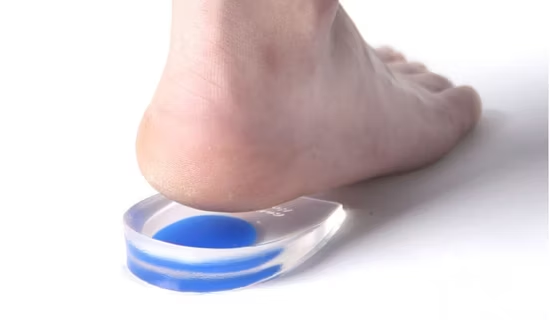
Using cushioned insoles, alternating footwear, and taking short movement breaks can reduce strain. Avoid standing still for long periods on hard surfaces whenever possible.
Professional podiatry advice helps balance activity and recovery without disrupting daily responsibilities.
When Heel Pain Requires Professional Attention
Not all heel pain resolves with rest and home care. Knowing when to seek help is important.
Signs You Should See a Podiatrist
You should book an appointment if:
-
Pain lasts longer than two weeks
-
Morning heel pain becomes intense
-
Swelling or stiffness increases
-
Walking feels uncomfortable or altered
Early assessment leads to quicker recovery and prevents chronic conditions.
How Expert Podiatry Services Treat Heel Pain
Expert Podiatry services in Edinburgh take a comprehensive approach to heel pain management.
Treatment often begins with a detailed assessment of foot structure, gait, and activity levels. This helps identify contributing factors such as overpronation, tight muscles, or poor footwear.
Care plans may include footwear advice, targeted exercises, orthotic support, pressure relief techniques, and lifestyle guidance. Treatment is personalised to ensure long-term success rather than short-term relief.
Preventing Heel Pain from Returning
Once heel pain improves, prevention becomes the focus. Many recurrences happen due to returning to old habits too quickly.
Maintaining proper footwear, continuing stretching routines, and gradually increasing activity levels help protect the heel. Weight management and regular movement also reduce foot strain.
Periodic reviews with Expert Podiatry services in Edinburgh ensure early signs of strain are addressed before pain returns.
Supporting an Active, Pain-Free Lifestyle
Heel pain should not prevent you from enjoying daily activities or staying active. With the right support, most people return to walking, exercise, and work without limitations.
Podiatry care supports confidence, mobility, and long-term foot health. It also empowers patients with knowledge to make informed decisions about footwear and activity.
Conclusion: Start the Year Confidently Without Heel Pain
Heel pain does not need to define the beginning of your year. Early action, supportive habits, and professional care make lasting relief achievable.
By choosing Expert Podiatry services in Edinburgh, you benefit from expert assessment, tailored treatment, and practical prevention strategies. Take the right steps now and begin the year confidently, comfortably, and pain-free.