
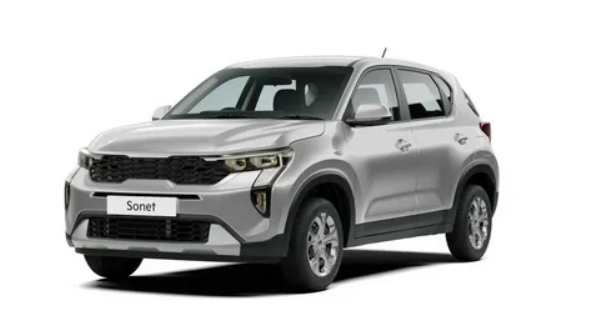
The Kia Sonet is a compact SUV for buyers who want a high seating position, modern features and easy city driving. Its wide variant range can confuse first-time buyers because the price changes quickly as you move from basic trims to feature-loaded versions.
This variant comparison guide explains how to choose the right Kia Sonet for Indian use. It covers engines, mileage, features, safety, documents, loan planning and the kind of buyer each variant level suits.
Kia Sonet price and engine choices
The Kia Sonet starts around Rs. 7.33 lakh ex-showroom and moves up to around Rs. 14.09 lakh for higher versions. It offers petrol, turbo-petrol and diesel choices. The final on-road price depends on city taxes, insurance, accessories and the exact variant.
| Kia Sonet choice | Best for | Buyer note |
| 1.2 petrol manual | Budget city users | Simple and easier to maintain |
| 1.0 turbo-petrol | Drivers wanting more punch | Costs more, but feels livelier |
| Diesel manual | High monthly running | Useful for long commutes |
| Diesel automatic | Convenience with torque | Good for city and highway, but higher price |
Variant-wise comparison for buyers
Rather than focusing only on the cheapest or most expensive trim, buyers should find the point where safety, comfort and budget meet. In many cases, an upper-mid variant gives stronger value than the base model because it includes features that owners use every day.
| Variant level | What it usually offers | Who should consider it |
| Entry variants | Basic safety and core functions | Strict-budget buyers |
| Mid variants | Better infotainment, comfort and convenience | Most city families |
| Upper-mid variants | More safety tech, better cabin features and improved styling | Buyers seeking balance |
| Top variants | Premium features, camera tech and advanced driver aids | Feature-focused owners |
Kia Sonet mileage and daily running
Kia Sonet mileage depends on the engine and gearbox. The diesel manual can deliver strong efficiency for highway users, while the diesel automatic favours comfort. Petrol variants suit shorter city runs, but traffic and AC use can reduce real-world figures. Compare expected monthly fuel cost before picking a variant.
- City-first buyer: Choose a petrol variant if your running is low and parking convenience matters most.
- Office commuter: A mid petrol or diesel trim can work well if it has the features you need daily.
- Highway user: Diesel variants deserve a closer look when monthly kilometres are high.
- Automatic buyer: Check the price jump, mileage and service expectations before finalising the gearbox.
Features to prioritise
- Safety first: Do not compromise on airbags, stability control, braking support and parking visibility.
- Comfort next: Rear AC vents, seat support, cabin cooling and charging ports matter in Indian summers.
- Useful technology: Prefer features you will use daily over cosmetic upgrades.
- Ownership clarity: Ask for accessory cost, warranty details and service plan inclusions in writing.
Loan and document checklist
A Sonet loan application may require KYC, income proof and vehicle details. Keep a realistic down payment ready, and compare the total payable amount across tenures. A lower EMI can look attractive, but the total interest may rise if the tenure is stretched too far.
| Document | Why it is needed |
| PAN and identity proof | Basic KYC verification |
| Address proof | City and residence confirmation |
| Income proof | Repayment assessment |
| Bank statements | Cash-flow check |
| Dealer quotation | Vehicle and variant confirmation |
Common mistakes to avoid
- Base-only comparison: Do not choose the base trim without checking missing comfort and safety features.
- EMI-only decision: A small EMI can hide a longer tenure and higher total interest.
- Wrong fuel choice: Do not buy diesel only because it feels powerful if your running is low.
- Accessory pressure: Avoid paying for cosmetic add-ons that do not improve daily use.
Final variant checks for Kia Sonet
The Kia Sonet variant list can tempt buyers to stretch the budget for extra equipment. Some features are useful every day, while others may not matter after the first month. Start with safety, driving comfort, rear-seat needs and gearbox preference. Then compare the price jump between two nearby variants. This keeps the purchase practical and avoids regret after delivery.
- Quote review: Separate compulsory charges from optional accessories and avoid hurried add-on decisions.
- EMI comfort: Leave room for fuel, parking, maintenance and annual insurance renewal.
- Fuel logic: Choose diesel only when your monthly running and route pattern support it.
- Must-have list: Write down five features you cannot skip before visiting the showroom.
A sensible Sonet decision starts with the right variant band. Once you pick the engine, compare the next two variants above your budget point. Sometimes the extra amount adds safety, comfort or convenience that improves every drive. In other cases, it only adds styling changes that you may not need.
During the test drive, use the same roads you travel every week. Check clutch effort, steering weight, visibility from the driver seat and rear-seat comfort. These small points decide long-term satisfaction more than a feature that looks impressive only in the brochure.
Conclusion
For most Indian families, a mid or upper-mid Kia Sonet variant is the safest place to start the shortlist. It balances price, features and daily usability better than the bare entry trim. Pick the engine based on monthly running, then compare the final on-road quote before booking.