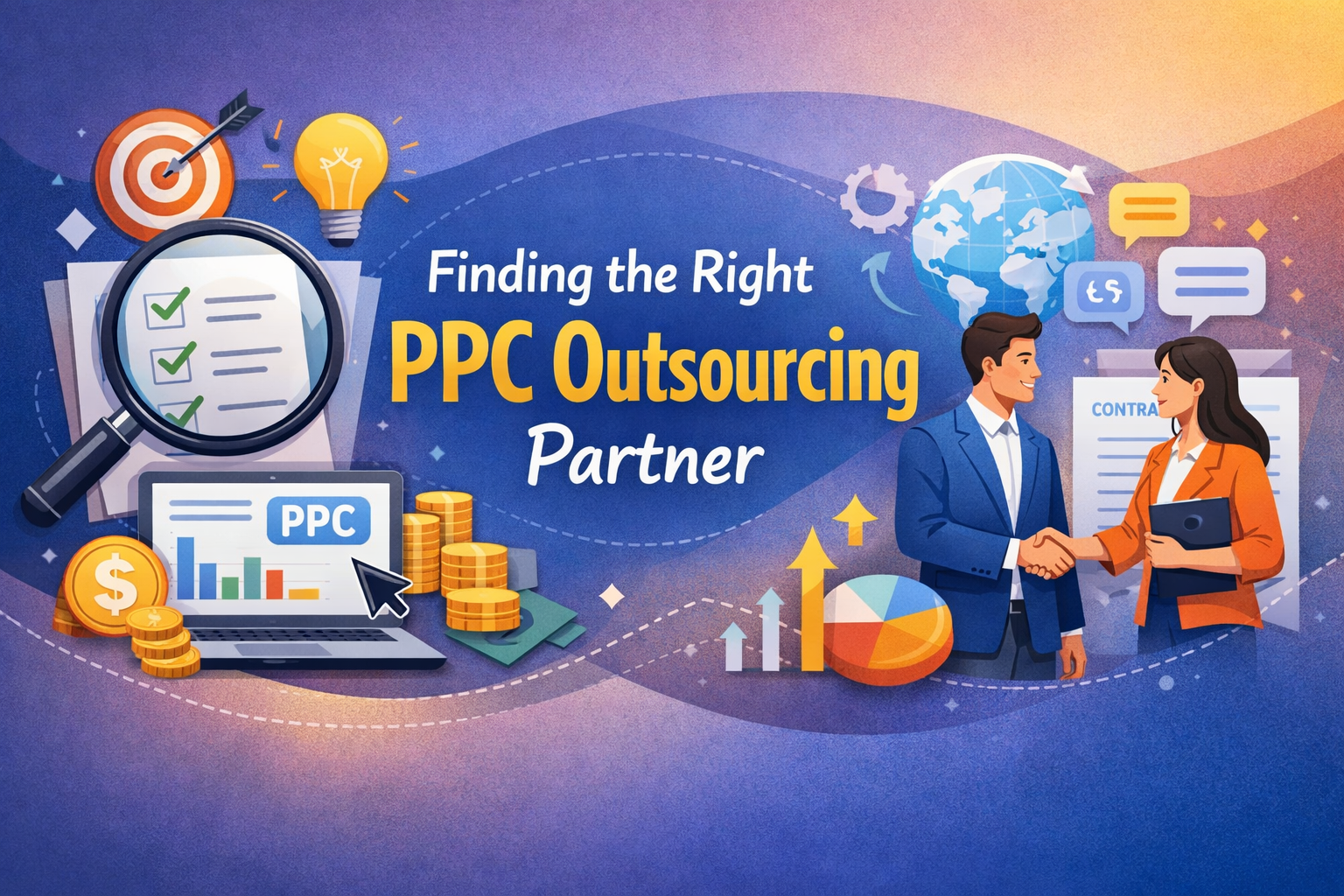
In the constantly evolving world of digital marketing, pay‑per‑click (PPC) campaigns remain one of the fastest ways to generate targeted traffic, leads, and sales. But running successful PPC ads isn’t simple—platform changes, algorithm shifts, audience trends, and new ad formats make it increasingly complex. This is why many businesses are turning to external experts for help.
Partnering with a professional PPC outsourcing company can unlock top‑tier expertise, cutting‑edge tools, and ongoing optimisation without the cost of full-time staff. However, finding the right partner takes strategy, clarity, and informed decision‑making.
In this guide, we’ll walk you through the essential steps to confidently select a PPC partner who aligns with your goals, budget, and long‑term growth.
1. Define Your PPC Goals and Internal Needs
Before you even start searching, clarify what you want out of the partnership.
- Are you looking for higher sales, better lead generation, improved ROI, or brand awareness?
- Do you need help with Google Search ads, social media ads, or all paid platforms?
- Is the goal short term (e.g., seasonal campaigns) or long term (growth and scale)?
Understanding your priorities helps you communicate expectations and evaluate potential partners more effectively.
2. Look for Multi‑Platform Expertise
PPC isn’t one‑size‑fits‑all. A strong partner should have demonstrable skills across multiple platforms—such as Google Search and Display, Meta (Facebook/Instagram), Bing, LinkedIn, TikTok, and even YouTube ads.
Why is this important?
- Each platform attracts different audiences and follows different optimisation rules.
- A partner with multi‑platform experience can build a holistic strategy that maximises reach and conversions.
As you evaluate options, look for certifications and case studies showing success on the platforms most relevant to your business.
3. Prioritise Clear Communication and Reporting
Successful outsourced partnerships are built on communication transparency.
Your PPC partner should be willing to:
- Share campaign dashboards and performance data.
- Provide regular updates (weekly or bi‑weekly).
- Explain strategies in clear, non‑technical language.
- Be accessible for questions and strategic discussions.
When expectations around communication are set early, it’s much easier to collaborate and adjust campaigns as needed.
4. Evaluate Strategy and Process Framework
Not every PPC provider follows a structured approach. The best ones do—and they can explain it clearly.
Ask candidates about their:
- Onboarding and campaign planning steps
- Keyword research methods
- A/B testing routines
- Bid management strategies
- Performance reporting cadence
A well‑defined process suggests discipline and consistency rather than ad‑hoc execution.
5. Review Credentials and Track Record
Experience matters—but proof of impact matters more.
Here’s what to look for when vetting credentials:
Certifications
Certified partners often hold badges from platforms like Google Ads and Meta. These indicate training and verified skills.
Case Studies
Look for real examples that show measurable results—such as improved ROI, reduced cost per acquisition, or lift in conversions.
Testimonials and Reviews
Client feedback can reveal how responsive and effective a PPC partner has been in real‑world campaigns. Negative or vague reviews can be a red flag.
Tip: Don’t just look at the polished homepage testimonials—request direct references if possible.
Also read here: Top 10 Benefits of PPC Outsourcing for Your Business
6. Assess Team Structure and Technical Capabilities
The right partner should have a diverse skill set within their team, such as:
- PPC strategists
- Certified ad specialists
- Data analysts
- Copywriters and creative support
- Analytics and tracking experts
This balance ensures that you aren’t relying on one person’s expertise, but on a cohesive team capable of strategic and technical execution.
7. Ask About AI Tools and Tech Stack
Modern PPC isn’t manual. Today’s best performers use advanced tools and AI‑driven platforms to manage bids, analyse data, and optimise at scale.
A competitive partner should:
- Use tools that go beyond basic dashboards
- Leverage real‑time analytics
- Provide dashboards that focus on business outcomes (not just clicks)
Tip: Ask for examples of tools they use and how they help improve performance.
8. Evaluate Flexibility, Pricing, and Budget Alignment
Price shouldn’t be the only factor—but it does matter.
Common pricing models include:
- Flat monthly fees
- Percentage of ad spend
- Performance‑based pricing
- Project‑based pricing
Make sure you understand what’s included—such as creative support, optimisations, and reporting—and what may have hidden costs.
Also, ensure that the partner can work within your budget while still delivering value. A good PPC partner helps you get more out of every dollar you invest.
9. Test With a Short Pilot Engagement
Instead of a long‑term commitment, start with a pilot project.
This helps you assess:
- Responsiveness and collaboration
- Strategy depth
- Change management based on results
- Communication quality
A successful small‑scale test can build confidence before scaling the relationship.
10. Align On KPIs, Expectations & Contract Terms
Before signing anything, make sure you and your PPC partner are on the same page about:
- Key performance indicators (KPIs)
- Reporting frequency
- Delivery milestones
- Access rights to accounts
- Termination and refund policies
Clear agreements prevent misunderstandings and ensure both sides are accountable for results.
Conclusion
Choosing the right PPC outsourcing partner is one of the most strategic decisions your business can make in the realm of paid search and advertising.
A reliable partner doesn’t just run ads—they become an extension of your growth team, bringing data‑driven strategies, scalable solutions, clear communication, and measurable ROI.
By following these steps—defining goals, vetting expertise, setting expectations, and testing before long‑term commitment—you’ll be well‑positioned to find a partner who drives real outcomes in 2026 and beyond.