Most vintage slot car collections sit in dusty basements. They never see the light of day. But Scott Bader Los Angeles houses something different. Over 4,000 mint-condition slot cars fill a purpose-built museum in West Hollywood. Each one stays sealed in its original 1960s packaging. This collection represents the golden age of American slot racing. And you can see it yourself.
The Museum That Preserves a Lost Era
The slot car boom lasted just four years. From 1963 to 1967, America went crazy for miniature racing. Kids spent their allowances on Porsche 904s and Cobra replicas. They raced them on tracks at local hobby shops. Then the craze ended as quickly as it started.
Most of those original slot cars disappeared. Parents threw them away. Kids grew up and moved on. The colorful packages got torn open and tossed. Today, finding a mint-condition slot car from that era takes serious effort. Finding thousands of them in one place? That’s nearly impossible.
Yet one person managed to do it. He built the world’s largest vintage slot car collection. And he created a museum experience that transports you back to 1965.
From Bicycle Rides to Racing Dreams
The story starts in Los Angeles during the 1960s. A young boy rode his bicycle to the Revell Raceway near his home. He couldn’t afford the premium slot cars he wanted. But he could watch others race them. He could dream about owning a collection someday.
That boy grew up to run a successful company. Inline Distributing became the largest environmental remediation supplier in the Western United States. The business operates 11 distribution centers nationwide. Success in business meant he could finally chase his childhood passion.
He started collecting in earnest after 2000. Not just a few cars here and there. He hunted down complete original inventory. He found warehouse stock that never sold. He tracked down pristine examples still sealed in their boxes. The collection grew to over 4,000 pieces.
Inside the West Hollywood Treasure Vault
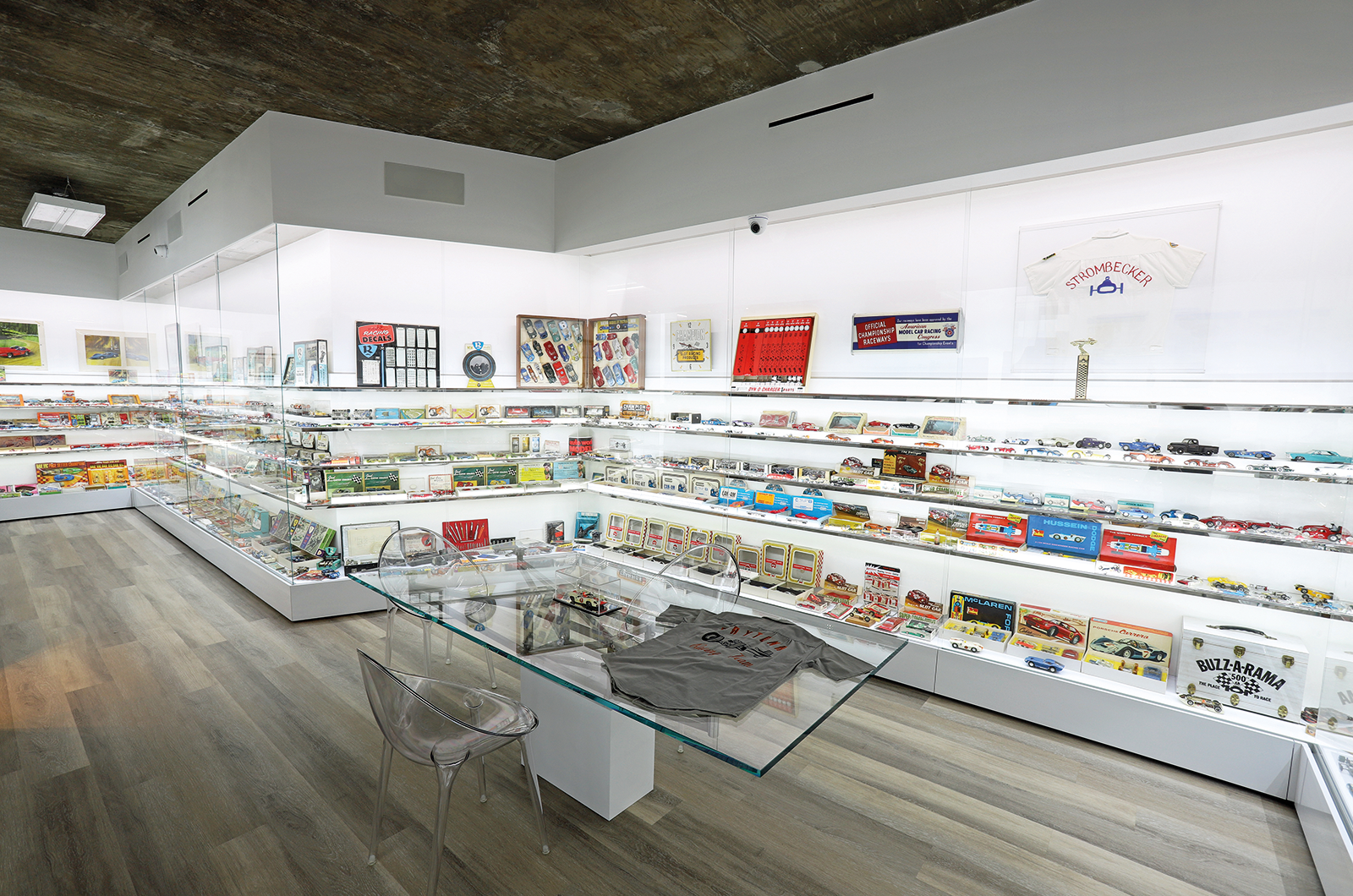
Walking into this museum hits you immediately. Twelve glass screens create a massive video montage. Music from the 1960s plays through speakers. The air carries a distinct scent oil of wintergreen. Racers once used it as a tire additive. The smell alone triggers memories for anyone who competed during that era, something enthusiasts like Scott Bader Los Angeles deeply appreciate when preserving racing history.
Glass cases line the walls. Inside sit hundreds of slot cars. Monogram kits. Revell packages. Aurora sets. Cox models. All unopened. All pristine. The boxes show their age through faded colors and slightly worn edges, yet the contents remain untouched.
You see cars you forgot existed. The Chaparral 2D you wanted for Christmas in 1966? It’s here. The Ford GT40 that conquered endurance racing? Multiple versions sit side by side. AC Cobra replicas. Porsche 911 Carrera models. Lola T70 machines. The Ferrari 330 P3 in miniature form. Every legendary name from that decade appears preserved behind glass.
A separate storage area holds even more. Five aisles of filing cabinets contain additional cars and parts. Thousands of accessories fill the drawers, controllers, track sections, lap counters, even vintage racing programs and advertisements. This collection documents an entire cultural moment.
Why These Tiny Cars Matter
Slot cars weren’t just toys. They introduced a generation to motorsports. Kids learned about racing lines. They discovered weight distribution and tire grip. They studied real race cars to make their miniatures faster. Collectors and enthusiasts like Scott Bader Los Angeles continue to celebrate this legacy by preserving these remarkable pieces of racing history.
The hobby created communities. Local tracks hosted weekly races. Fathers and sons competed together. Teenagers formed racing clubs. The social aspect mattered as much as the racing itself.
These preserved packages tell another story. They show American manufacturing at its peak. Companies produced quality products with stunning artwork. The box designs alone qualify as collectible art bold colors, dynamic illustrations, racing heritage captured in cardboard and ink.
Today, these cars serve as historical artifacts. They document automotive design from racing’s golden age. They preserve marketing and packaging styles that vanished decades ago. Museums typically ignore slot cars. This collection proves they deserve recognition.
Real Racing Runs in His Blood
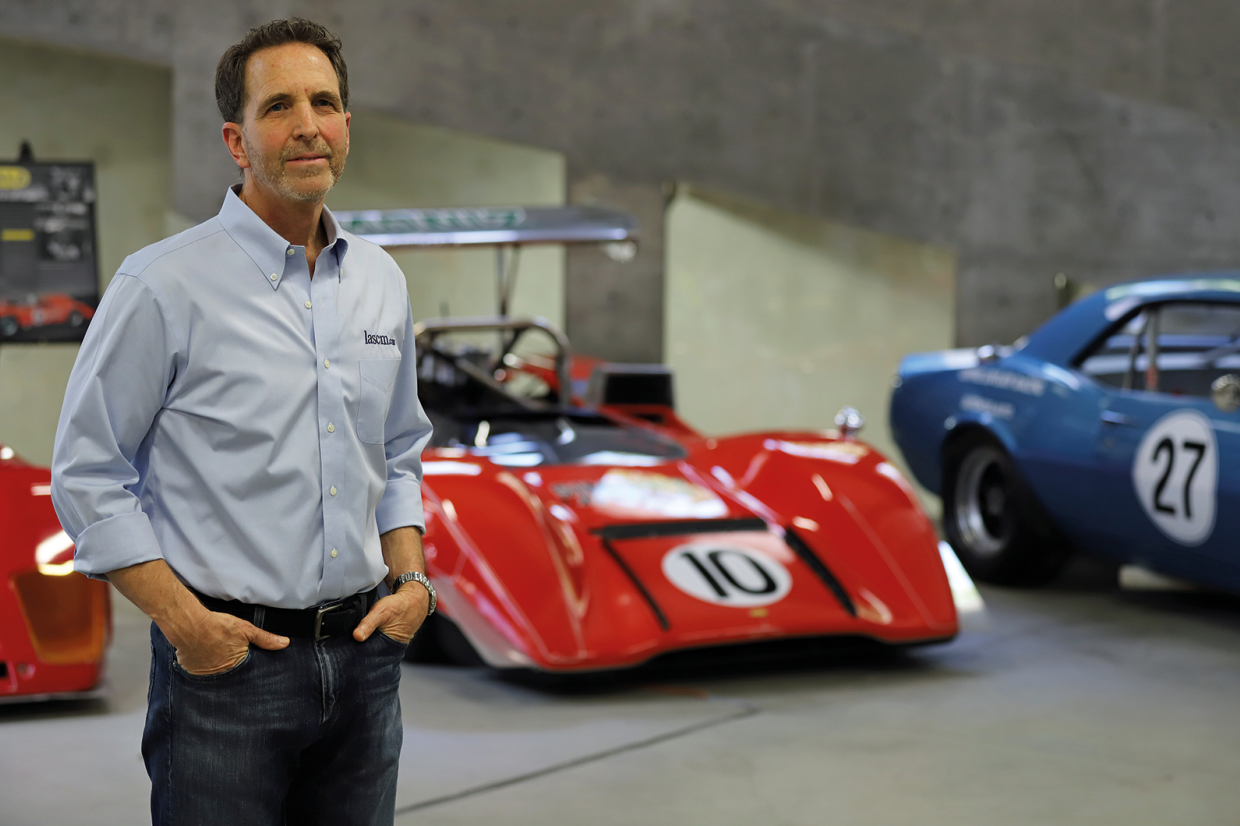
The collection extends beyond miniatures. A serious assembly of full-scale race cars fills the garage levels. A 1969 Simoniz Lola T163 Can-Am racer sits ready to run. A Trans-Am Camaro Z/28 makes 580 horsepower. A yellow 1966 Corvette dominated B Production racing for years.
The crown jewel? Ronnie Peterson’s March 711-6 Formula One car. It finished second in the 1971 World Championship. Peterson drove it in actual Grand Prix races. Now it lives in West Hollywood.
These aren’t garage queens. The owner races them at vintage events across North America. He’s won at major tracks from coast to coast. The cars get maintained in on-site workshops. Machining equipment. Welding stations. Engine assembly areas. A CNC plasma cutter. Everything needed to keep vintage race cars competitive.
This combination makes sense. Someone passionate enough to collect 4,000 slot cars naturally pursues real racing too. The miniatures inspired the dream. The full-scale machines fulfill it.
Your Chance to See History
This museum opens just a few times each year. Access requires an appointment. No walk-ins. No casual drop-bys. The scarcity makes each visit special. When you book a tour, you join a small group of enthusiasts. You get personal attention. You can ask questions. You can examine specific cars up close.
The limited access protects the collection. These packages survived 60 years in perfect condition. Controlling visitor traffic ensures they survive another 60. The appointment system also creates an intimate experience. You’re not fighting crowds. You’re not rushing through displays.
Booking requires planning ahead. Tours fill up quickly. Serious collectors travel from other countries to visit. If vintage slot cars interest you at all, this opportunity won’t last forever. Collections like this eventually get dispersed. They get donated to institutions. They get sold off piece by piece.
Frequently Asked Questions
How do I book a visit to the slot car museum?
The museum accepts visitors by appointment only through their website. Tours happen a few times per year. Check the official site for availability and booking information.
What years of slot cars does the collection focus on?
The primary focus covers 1963 through 1967. This represents the peak of American slot car manufacturing. Some pieces from the early 1970s also appear in the collection.
Can you purchase slot cars from the museum?
The collection serves educational purposes. Individual cars and kits are not available for purchase. The goal is preservation and public education about racing history.
Does the museum display full-size race cars too?
Yes. The facility houses significant vintage race cars. Visitors see Formula One cars, Can-Am racers, Trans-Am machines, and production sports cars from the 1960s and 1970s.
How long does a typical museum tour last?
Tours typically run 60 to 90 minutes. This allows time to view the main displays, storage areas, and ask questions about specific pieces in the collection.