
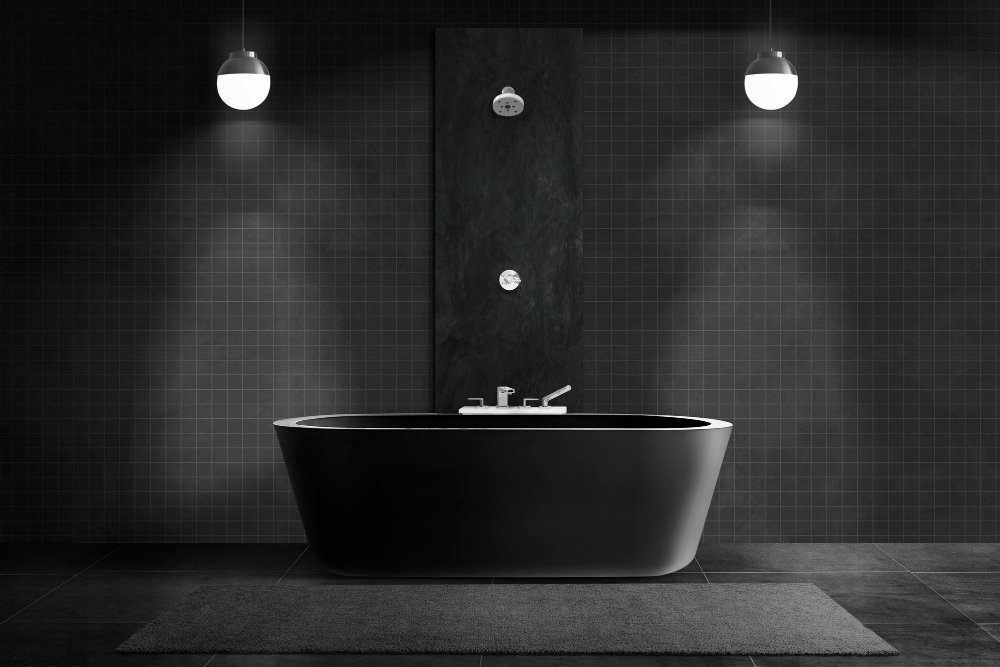
Bathroom renovations often begin with inspiration photos and end with unexpected lessons. Homeowners walk into showrooms armed with Pinterest boards, only to feel overwhelmed by textures, finishes, and price points. Contractors, meanwhile, see the other side: warped substrates, slippery floors, grout discoloration, and tile choices that looked beautiful in a catalog but perform poorly in everyday use.
From years of working alongside installers, designers, and homeowners, one reality stands out—choosing modern bathroom tiles is not just about aesthetics. It’s about durability, moisture management, slip resistance, and long-term maintenance. When form and function are not balanced, problems surface quickly.
Understanding how materials behave in real environments makes all the difference.
The Shift Toward Modern Surfaces
Over the past decade, bathroom design has moved away from busy mosaics and high-gloss finishes toward cleaner lines and natural textures. Large-format porcelain slabs, matte finishes, stone-look ceramics, and subtle concrete effects now dominate contemporary projects.
This shift reflects both style and practicality. Larger tiles mean fewer grout lines, which reduces cleaning effort and visual clutter. Matte finishes hide water spots better than polished surfaces. Neutral tones create longevity, allowing homeowners to update fixtures and décor without retiling.
However, trends should never override functionality. A tile that looks stunning on a showroom wall may behave differently on a wet bathroom floor.
Material Matters More Than Color
In real renovation projects, the most common mistake is focusing solely on appearance. The material composition of bathroom tiles determines how they perform under moisture, cleaning chemicals, and temperature shifts.
Porcelain
Porcelain is dense, low-porosity, and highly durable. It resists water absorption, making it ideal for floors and shower walls. Most modern installations rely heavily on porcelain for this reason.
Ceramic
Ceramic is more affordable but slightly more porous. It works well for walls but may not be ideal for high-traffic floors unless properly rated.
Natural Stone
Marble, travertine, and slate add warmth and luxury but require sealing and ongoing maintenance. In humid environments, improper sealing can lead to staining or etching.
Professionals often recommend porcelain for most modern bathroom tiles due to its balance of durability and design flexibility.
Size and Scale: Practical Considerations
Large-format tiles—such as 24×48 inches or even larger slabs—are popular in contemporary bathrooms. They create seamless surfaces and reduce grout maintenance.
However, installers know that large tiles require perfectly level substrates. Even slight floor unevenness can cause lippage (uneven tile edges). Proper preparation is essential and sometimes increases labor costs.
For smaller bathrooms, oversized tiles can visually expand the space, but layout planning must account for cuts around plumbing fixtures. Poor planning leads to awkward slivers near walls, which compromise aesthetics.
In many projects, a combination works best: larger tiles on walls and slightly smaller, slip-rated options on floors.
Slip Resistance: A Safety Priority
Modern design should never compromise safety. Highly polished tiles may appear elegant, but they can become slippery when wet.
Slip resistance ratings—often labeled as COF (Coefficient of Friction)—should always be reviewed before installation. Matte or textured finishes are typically safer for flooring areas.
In real-world installations, clients sometimes request glossy floors for visual continuity. Experienced professionals advise against it, especially in family homes or properties with elderly occupants.
Safety is not negotiable.
Grout: The Overlooked Detail
Grout choice often receives less attention than tile selection, yet it significantly affects longevity and maintenance.
Traditional cement-based grout is common but prone to staining if not sealed properly. Epoxy grout offers superior stain resistance and durability, though it requires skilled installation.
Color also matters. White grout with dark tiles creates contrast but shows discoloration more quickly. A mid-tone grout often hides daily wear better.
Installers frequently observe that grout maintenance—not the tile itself—is what homeowners struggle with most over time.
Wall vs. Floor Application
Not every tile suits every surface.
- Floor tiles must handle weight and foot traffic.
- Wall tiles can be lighter and more decorative.
- Shower floors require smaller formats for proper slope and drainage.
In many contemporary bathrooms, subtle contrast between floor and wall materials creates depth without overwhelming the space.
For example, concrete-look porcelain on the floor paired with soft stone-textured walls delivers a balanced, cohesive design.
Lighting and Tile Appearance
One detail often overlooked during selection is lighting. Tiles can look dramatically different under showroom lighting compared to residential bathrooms.
Cool LED lighting may enhance grey tones, while warm lighting brings out beige undertones. Glossy finishes reflect light differently than matte surfaces.
Professionals often recommend viewing samples in the actual bathroom environment before finalizing decisions. Observing tiles at different times of day provides a clearer understanding of how they will look long-term.
Maintenance Realities
Even the best materials require maintenance.
Porcelain requires minimal sealing, but grout lines need attention. Natural stone must be sealed periodically. Hard water areas may cause mineral buildup on certain finishes.
Cleaning products also matter. Acidic cleaners can damage stone and degrade grout over time. Gentle, pH-neutral cleaners are generally safer.
A common professional observation is that long-term satisfaction often depends more on maintenance expectations than initial design excitement.
Budget Planning and Hidden Costs
Tile pricing varies widely. However, material cost is only part of the investment.
Additional factors include:
- Surface preparation
- Waterproofing systems
- Underlayment materials
- Skilled labor
- Grout and sealants
Homeowners sometimes underestimate installation complexity, particularly with large-format modern bathroom tiles that require precision leveling systems.
Allocating budget realistically prevents compromises that affect durability.
Common Mistakes to Avoid
Through years of project oversight, certain errors appear repeatedly:
- Choosing polished tiles for wet floors
- Ignoring slip ratings
- Underestimating substrate preparation
- Selecting grout color without considering maintenance
- Following trends without considering long-term appeal
Design longevity should always outweigh short-term fashion.
A Thoughtful Approach to Selection
Selecting bathroom tiles is not about copying a trend. It involves understanding material science, installation technique, and day-to-day practicality.
When homeowners combine aesthetic preference with informed guidance, the result is a bathroom that remains functional and visually appealing for years.
Modern design does not require complexity. Often, simplicity executed with precision produces the most enduring outcome.
Frequently Asked Questions
- Are large tiles better for small bathrooms?
Large tiles can make small bathrooms feel more open, but proper layout planning is essential. - What is the most durable material for bathroom floors?
Porcelain is generally considered one of the most durable and water-resistant options. - Do all bathroom tiles need sealing?
Porcelain typically does not, but natural stone and cement-based grout usually require sealing. - Are glossy tiles safe for shower floors?
Highly polished tiles can be slippery when wet and are usually not recommended for floors. - How long do properly installed tiles last?
With correct installation and maintenance, quality tile installations can last decades.