In aesthetic clinics, one of the most frequent conversations revolves around stubborn fat. Patients often describe the same scenario: they maintain a reasonable diet, exercise consistently, and yet a small pocket of fat under the chin, around the lower abdomen, or near the bra line refuses to budge. This frustration leads many to explore non-surgical options before considering more invasive procedures.
Among these options, the fat dissolving injection has become increasingly discussed. While awareness has grown, so has misinformation. Some patients arrive expecting dramatic reshaping after a single appointment. Others assume the treatment is risky or experimental. In reality, it sits in a very specific place within aesthetic medicine—effective in the right context, limited outside of it.
Professionals with hands-on experience understand that education, proper patient selection, and technical precision determine whether the outcome will be satisfying.
What a Fat Dissolving Injection Actually Does
At its core, this treatment involves injecting a compound—commonly deoxycholic acid—into targeted subcutaneous fat. Deoxycholic acid is a molecule naturally present in the body that aids in breaking down dietary fat. When injected strategically into localized fat deposits, it disrupts fat cell membranes.
Once these fat cells are destroyed, the body gradually processes and eliminates them over several weeks through metabolic pathways.
It is critical to clarify what this treatment does not do. It does not function as a weight-loss solution. It does not treat visceral fat (fat surrounding internal organs). It is not designed for large areas requiring significant volume reduction. Instead, it is intended for small, well-defined pockets of fat in individuals near their stable weight.
The most commonly treated area remains the submental region (under the chin), though other localized areas may be considered depending on practitioner training and regulatory guidance.
Who Tends to Be a Good Candidate
In clinical practice, outcomes depend heavily on selecting appropriate candidates.
Individuals who typically respond well:
- Are close to their ideal body weight
- Have localized fat deposits rather than generalized obesity
- Maintain relatively good skin elasticity
- Understand that multiple sessions are usually required
- Have realistic expectations
Patients with significant skin laxity may not achieve optimal contour improvement from injections alone. In those cases, combining treatments or exploring surgical options may provide better results.
An experienced provider evaluates not only fat thickness but also skin quality, anatomical structure, and overall aesthetic balance. Responsible care sometimes means advising against treatment when expectations exceed what the procedure can safely deliver.
What the Treatment Process Looks Like
A proper consultation is non-negotiable. Medical history, medications, allergies, and prior cosmetic treatments must be reviewed. Baseline photographs are usually taken for comparison.
During the procedure:
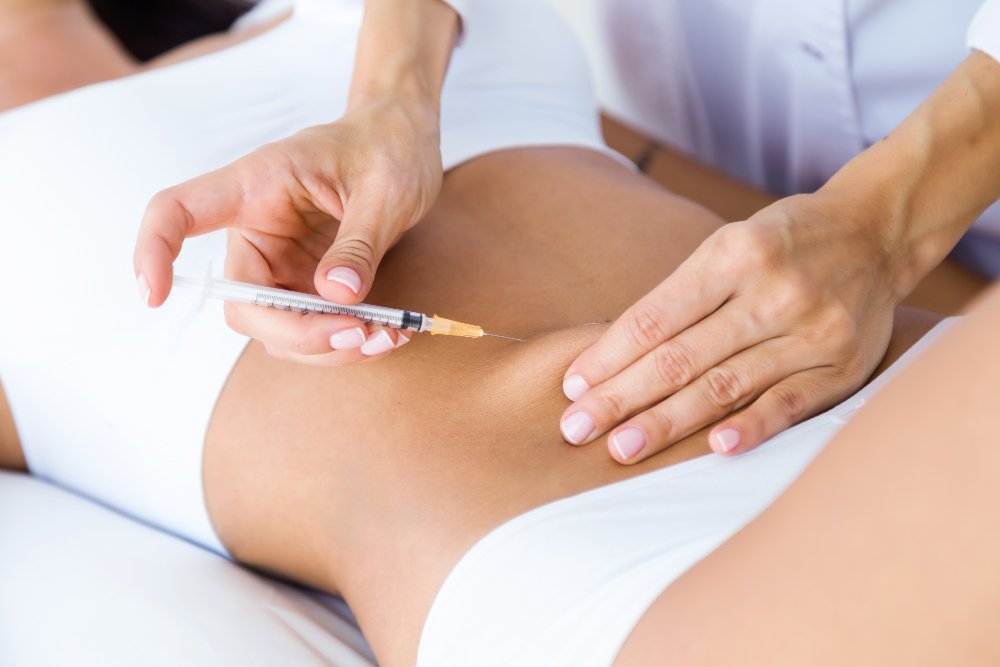
- The treatment area is carefully marked, often in a grid pattern.
- A series of small injections are placed at measured intervals.
- The session generally lasts between 15 and 30 minutes.
Patients commonly report a burning or stinging sensation during injection, which subsides relatively quickly. Swelling is expected and can be pronounced—particularly in chin treatments. In many cases, swelling peaks within 48 hours and gradually improves over one to two weeks.
Patients who are not properly counseled about swelling are often the most anxious afterward. Clear pre-treatment education significantly improves overall satisfaction.
How Many Sessions Are Needed?
One of the most common misunderstandings is assuming that one treatment session will produce final results.
In reality, most individuals require two to four sessions spaced four to six weeks apart. The exact number depends on fat volume and individual biological response.
Once destroyed, fat cells in the treated area are permanently eliminated. However, if a patient gains weight, remaining fat cells in the area can enlarge. Stability in body weight plays an important role in maintaining results.
Professionals who regularly perform fat removal injections emphasize patience. Final outcomes often become apparent several weeks after the last session.
Risks, Side Effects, and Safety Considerations
No injectable treatment is entirely without risk. Transparency builds trust.
Common side effects include:
- Swelling
- Tenderness
- Bruising
- Temporary numbness
Less frequent but more significant risks may include uneven contour, prolonged swelling, or temporary nerve irritation. In submental treatments, anatomical precision is essential to avoid affecting nearby nerves.
In experienced hands, serious complications are uncommon. However, provider training matters. Patients should verify that the practitioner is medically licensed and properly trained in injectable procedures.
Common Misconceptions
Over time, several patterns emerge in consultation rooms:
“It will tighten loose skin.”
The treatment targets fat cells, not skin laxity. Mild tightening may occur indirectly, but it is not a skin-lifting procedure.
“It replaces liposuction.”
It does not. Liposuction remains more appropriate for larger volume fat removal.
“The results are immediate.”
Initial swelling may make the area appear fuller before reduction becomes visible.
“It’s risk-free because it’s non-surgical.”
Non-surgical does not mean risk-free. Proper medical evaluation remains essential.
Managing these misconceptions early prevents dissatisfaction later.
Comparing With Other Non-Surgical Options
Patients often ask how this approach compares to fat freezing or radiofrequency treatments.
- Injectable treatments allow precise targeting of small areas.
- Cryolipolysis treats larger zones but with less sculpting control.
- Radiofrequency primarily improves skin tightening rather than eliminating fat cells.
The best approach depends on anatomy, goals, and budget. In some cases, combining modalities yields better overall contour refinement.
An experienced practitioner does not default to one method for every patient but instead tailors recommendations.
Practical Advice Before Moving Forward
Those considering treatment should:
- Schedule a thorough consultation rather than booking impulsively
- Ask how many sessions are likely needed
- Plan for visible swelling downtime
- Review before-and-after photos of actual patients
- Clarify total cost upfront
In practice, patients who understand the full treatment timeline tend to feel more confident and satisfied with their decisions.
A Measured Perspective
In modern aesthetic medicine, subtlety often produces the most natural outcomes. The fat dissolving injection offers a controlled way to refine small, resistant fat deposits without surgery. When expectations align with anatomical reality, improvements can be meaningful.
Fat removal injections are tools—not shortcuts. They work best when patients maintain stable weight, accept gradual change, and choose qualified providers.
Precision, patience, and professional judgment ultimately determine whether the experience feels worthwhile.
Frequently Asked Questions
- How long does it take to see visible results?
Noticeable fat reduction typically appears four to six weeks after treatment, once swelling resolves and the body processes the destroyed cells. - Are fat removal injections permanent?
Yes, treated fat cells are permanently eliminated. However, significant weight gain can affect surrounding fat cells. - Is the procedure painful?
Mild to moderate discomfort may occur during injections, but it is temporary and generally well tolerated. - How much downtime should be expected?
Swelling and tenderness can last one to two weeks, especially for chin treatments. - Can anyone receive this treatment?
Not everyone is an ideal candidate. A medical assessment is necessary to determine suitability based on anatomy, health history, and goals.