You want products that work right every time. You want fewer failures, lower cost, and faster results. You also want systems that are easy to update and safe to use. These goals sound simple, but the path to reaching them can feel confusing. In the world of embedded systems development, small mistakes can lead to big problems. That is why it helps to understand how these systems are planned, built, and improved. When you know the basics, you can ask better questions and make smarter choices for your product.
This guide explains everything in simple words. You will learn how embedded systems work, why good planning matters, and how the right team can help you reach your goals.
What an Embedded System Development Really Is
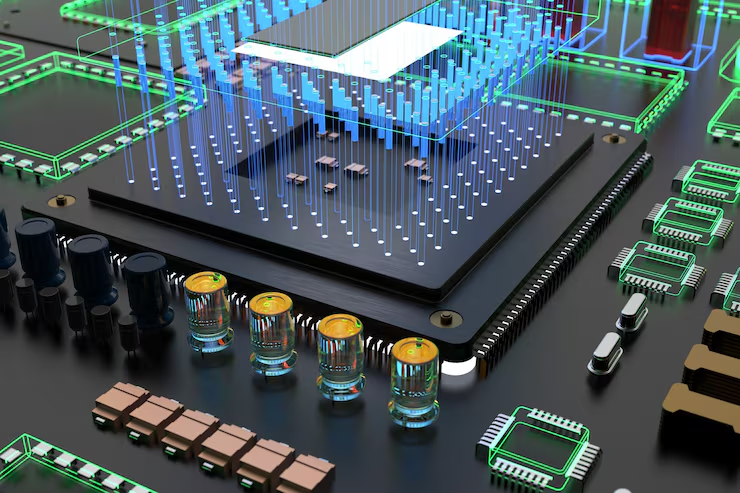
An embedded system is a small computer inside a product. It controls how the product works. You see it in cars, home tools, medical devices, and factory machines.
Unlike a regular computer, it has one clear job. It reads data, makes quick decisions, and sends actions to other parts. For example, it may read a sensor and decide when to turn something on or off.
You may not see it, but it works all the time. If it fails, the whole product may stop working.
Why Planning Matters More Than You Think
Every strong system starts with a clear plan. When planning is rushed, problems appear later. These problems cost time and money to fix.
Good planning answers simple questions:
- What should the product do?
- How fast should it react?
- How long should it last?
- Who will use it?
When your goals are clear, developers can choose the right parts and tools. This helps avoid rework and delays. It also helps your product meet safety and quality needs.
How Software Brings the System to Life
The software inside an embedded system tells the hardware what to do. It controls timing, power use, and actions.
Clean and simple code is important. It makes the system easier to test and update. It also reduces the chance of failure during use.
In many products, ecu software development plays a big role. It helps manage control tasks in vehicles and machines. When this software is written with care, it improves speed, safety, and user trust.
Hardware Choices Affect Long-Term Results
Hardware is the base of the system. It includes chips, sensors, memory, and power parts. Each choice affects cost and performance.
Low-cost parts may save money early, but they can cause issues later. High-quality parts last longer and work better in harsh settings.
You should think about heat, load, and usage time. A good hardware setup supports smooth software work and fewer errors.
Testing Is Not a Final Step
Many people think testing comes at the end. That is a mistake. Testing should start early and continue often.
Early tests catch basic errors. Later tests check speed, load, and real-world use. This reduces the risk of failure after launch.
When tests are planned well, you get clear data. This data helps improve design and fix weak areas before users face them.
Working With the Right Experts
Building embedded products needs skill and focus. A strong team knows how to handle limits like power, size, and speed.
Experienced embedded systems developers understand how to balance hardware and software. They also know how to test and fix issues fast.
When you work with the right people, your project moves faster. You also get fewer surprises during production and use.
Integration Makes Everything Work Together
A product is more than one part. It is a mix of hardware, software, and user controls. All parts must work as one.
This is where embedded systems integration becomes important. It connects each part so data flows the right way. It also helps different systems talk to each other without errors.
Good integration improves speed and reduces bugs. It also makes future updates easier and safer.
Common Challenges You Should Watch For
Many projects face the same problems:
- Poor planning
- Weak testing
- Hard-to-read code
- Limited support after launch
You can avoid these by setting clear goals and choosing the right team. Regular reviews also help catch issues early.
When problems are fixed early, costs stay low, and timelines stay on track.
How This Helps Your Business
A well-built embedded system adds value to your product. It improves user trust and lowers support costs.
It also helps your product stand out through better performance and longer life. Over time, this leads to better reviews and repeat buyers.
When systems work well, your team can focus on growth instead of fixes.
Final Thoughts on Building Smarter Systems
Strong products come from smart choices and clear thinking. When embedded systems development is done with care, you get systems that work better and last longer.
If you are looking for a team that understands both product needs and real-world use, many companies turn to trusted experts like Tomco Service Group. The right support can help you move forward with confidence and build products your users can trust.